🔺 To hear the mermaids sing: Visual Figuration, Myth and Desire in the Case of the Waterwoman by Louise S. Milne
Gallery of illustrations
Gallery includes 97 illustrations
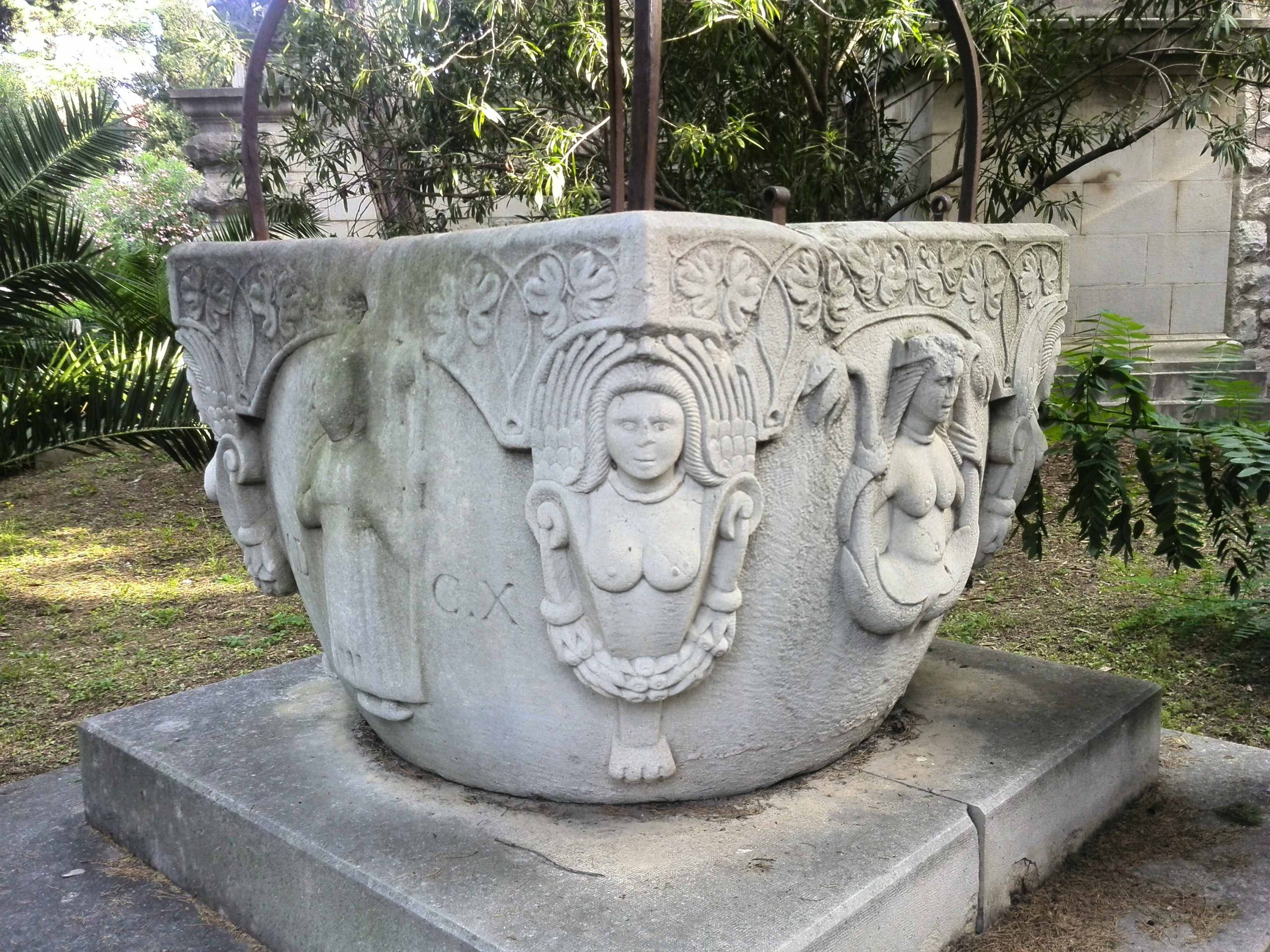 Figure 1a. Double-tailed mermaid with St Benedict and the coat of arms of the Cindro family, c.1610. Croatian. Wellhead, Monastery of St Euphemia (St. Arnir), Split, Croatia. Photo: Author.
| 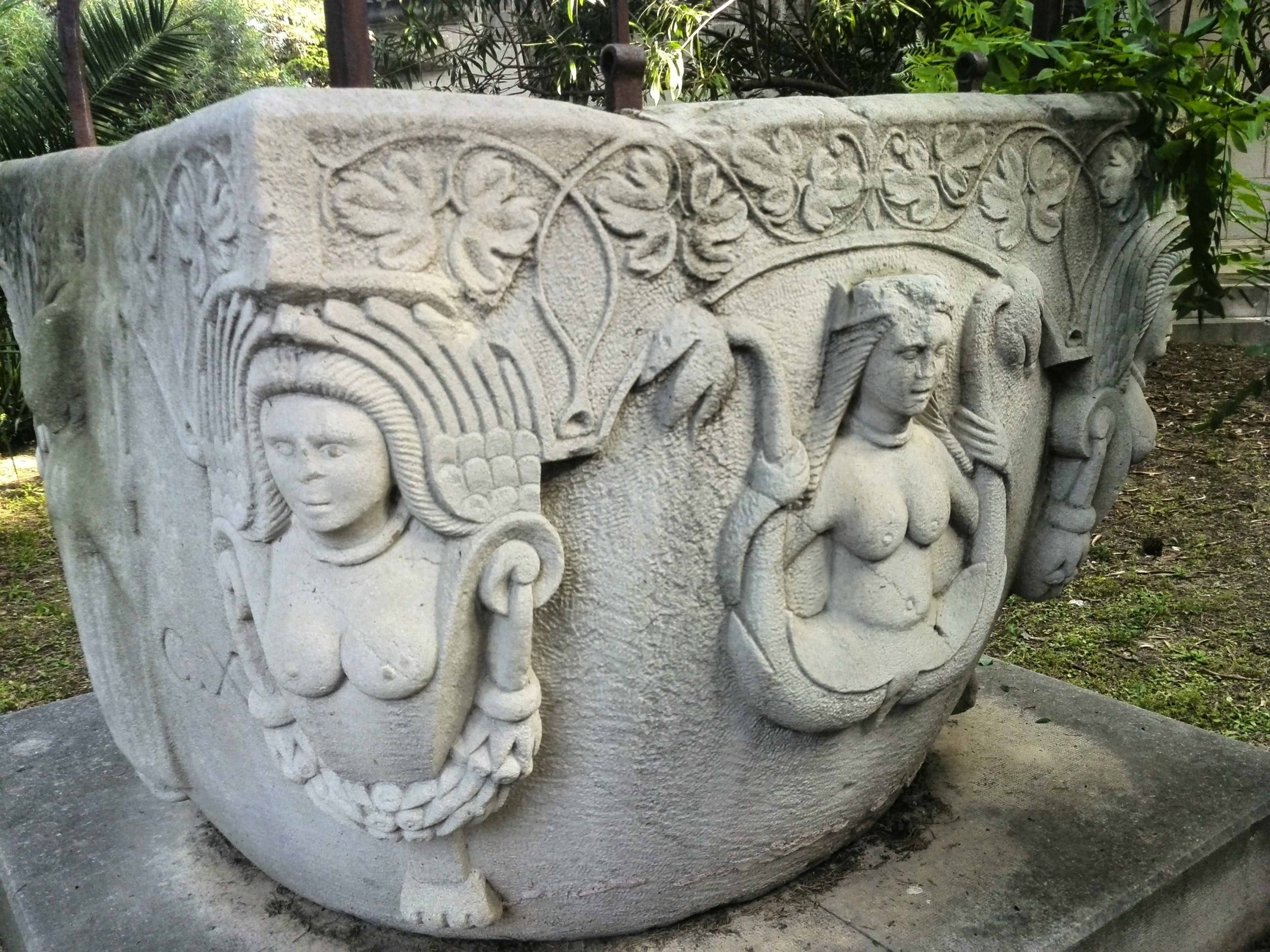 Figure 1b. Double-tailed mermaid with St Benedict and the coat of arms of the Cindro family, c.1610. Croatian. Wellhead, Monastery of St Euphemia (St. Arnir), Split, Croatia. Photo: Author.
| 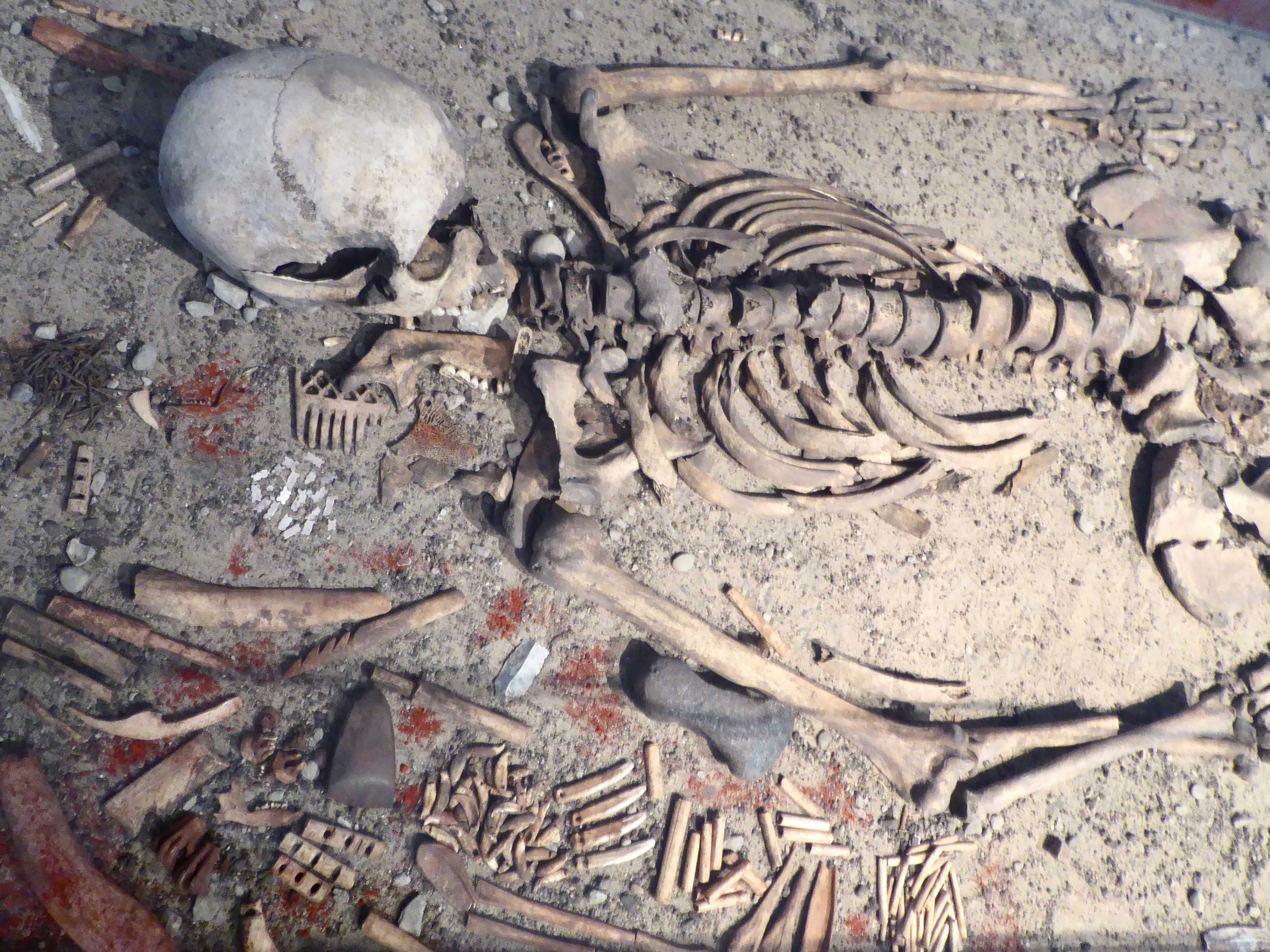 Figure 2a. Young woman buried in pit lined with red ochre, accompanied by 35 bone flutes and pipes, fine comb with carved seal heads, mother-of-pearl lamellae, 2600 BCE. Eksta, Gotland. Gotland Historical Museum, Visby, Gotland, Sweden. Photo: Author.
| 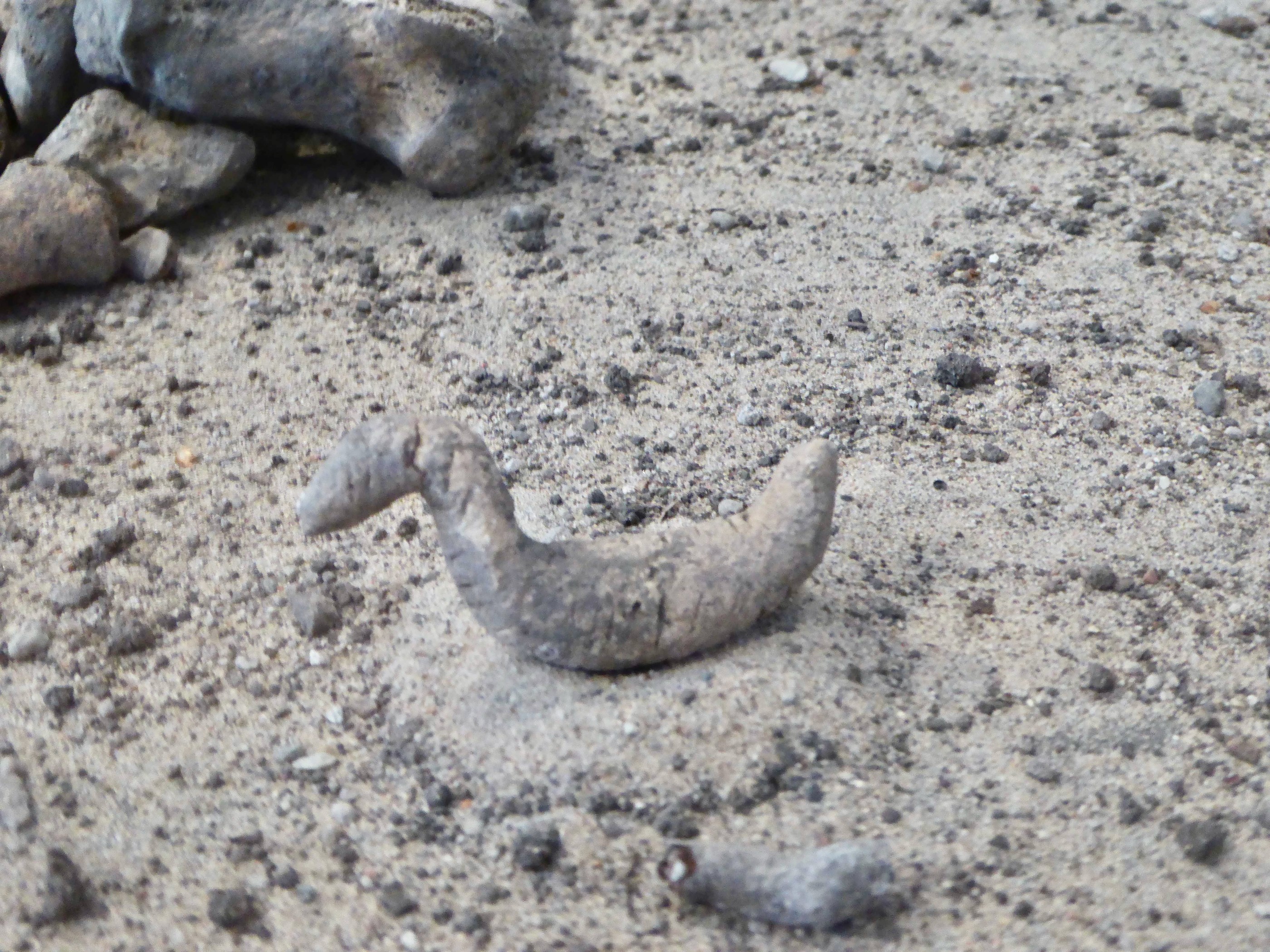 Figure 2b. Detail, small clay duck (seal?) at her feet. Eksta, Gotland. Gotland Historical Museum, Visby, Gotland, Sweden. Photos: Author.
|
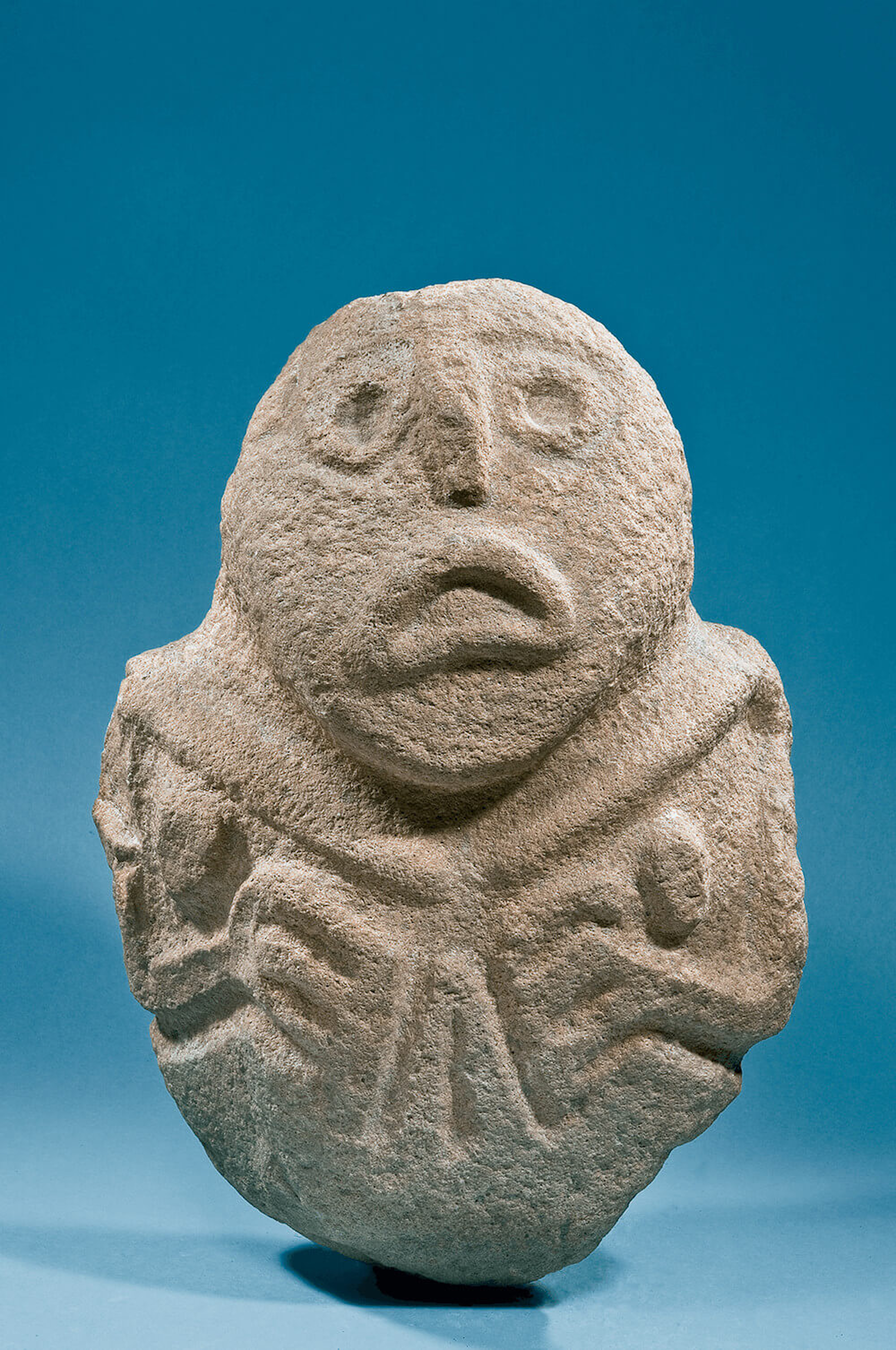 Figure 3. “Progenetrix”; fish-head with human vulva, c. 6000 BCE. Lepenski Vir, Serbia. Sandstone. 51 x 39 cm. Collection of National Museum, Belgrade. Inv. No. 02_37. Photo: courtesy of National Museum, Belgrade.
| 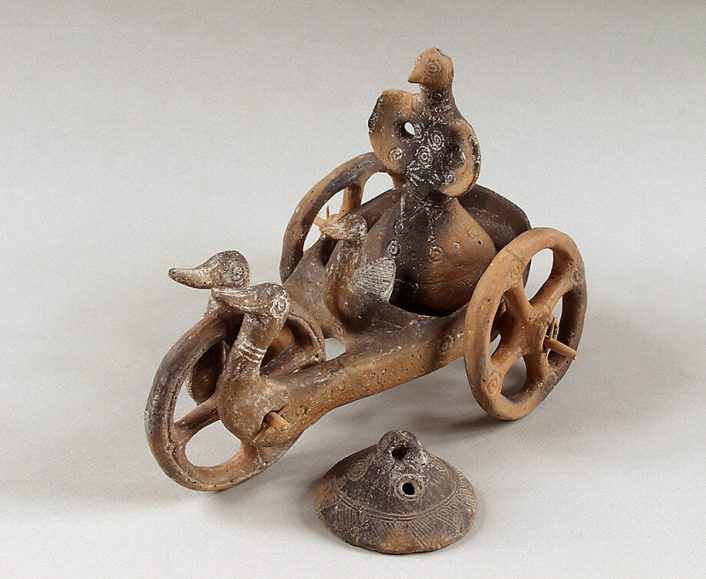 Figure 4. Human with beak-like face standing on a cart drawn by three waterfowl, c.1500 BCE. Dupljaja, Serbia. Terracotta. Cart L: 25.6 cm, figurine H 13.5 cm. Collection of National Museum, Belgrade. Inv. No. 05_4533. Photo: courtesy of National Museum, Belgrade.
| 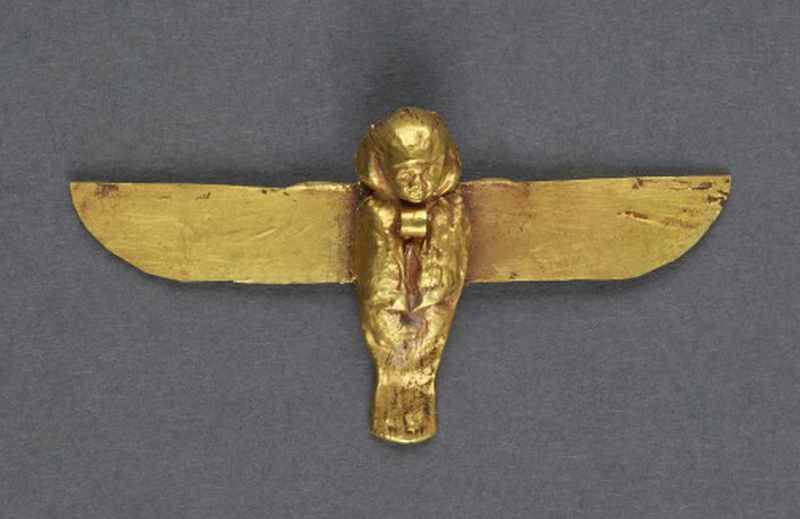 Figure 5. Ba amulet, 3C BCE. Acquired by Henry Walters, Cairo, Egypt, 1929. Gold with stone inlay. H 2.6 x W 5.8 x D 0.14 cm. Walters Art Museum, Baltimore, MD. Inv 57.1472. Photo: courtesy of Walters Art Museum, Baltimore, MD (CC0 1.0 Universal).
| 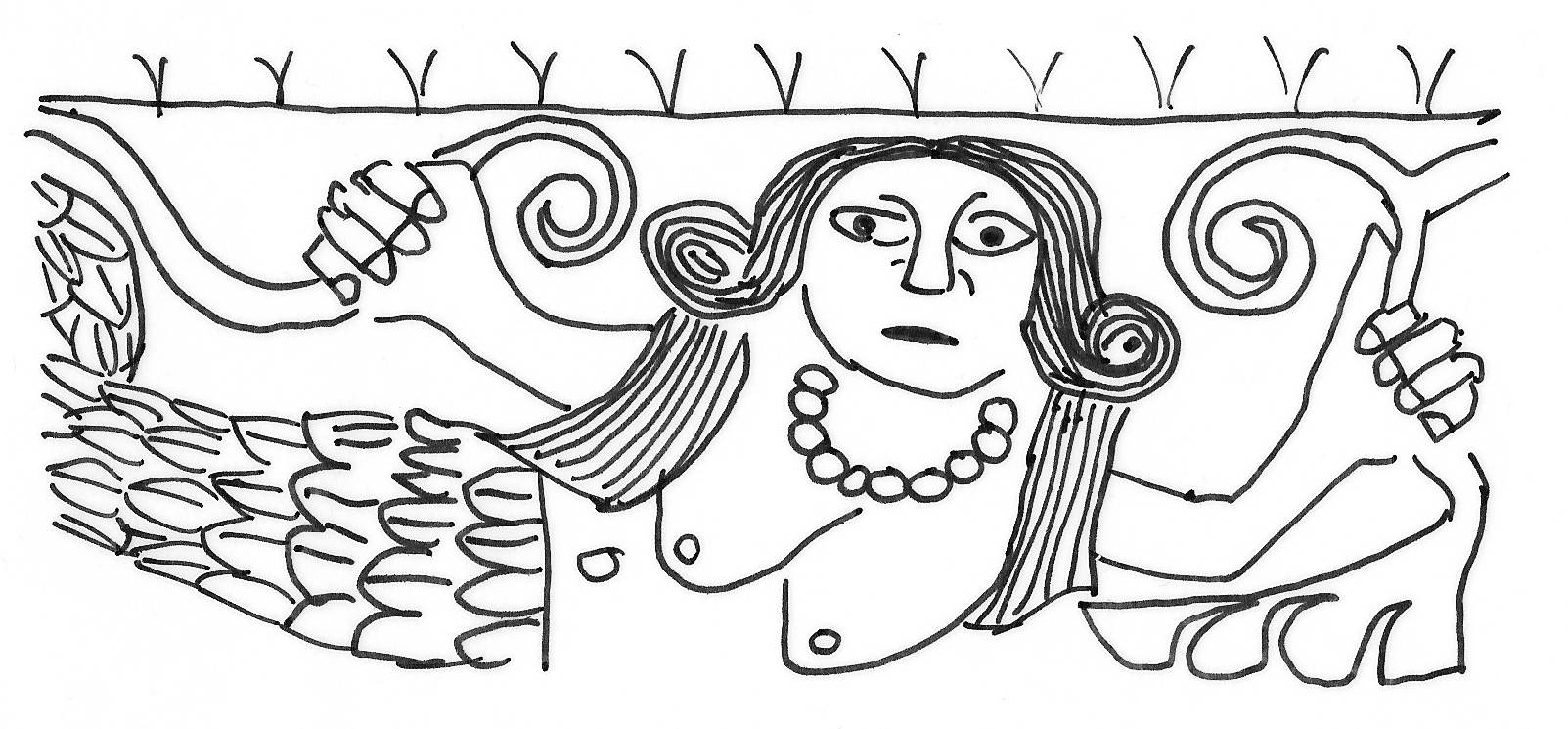 Figure 6a. Beregina, 19C. Volga region, Kolomenskoe, Russia. Carved wooden frontal board. Drawing: Limbrick, 2020 (after Hilton 2011:26)
|
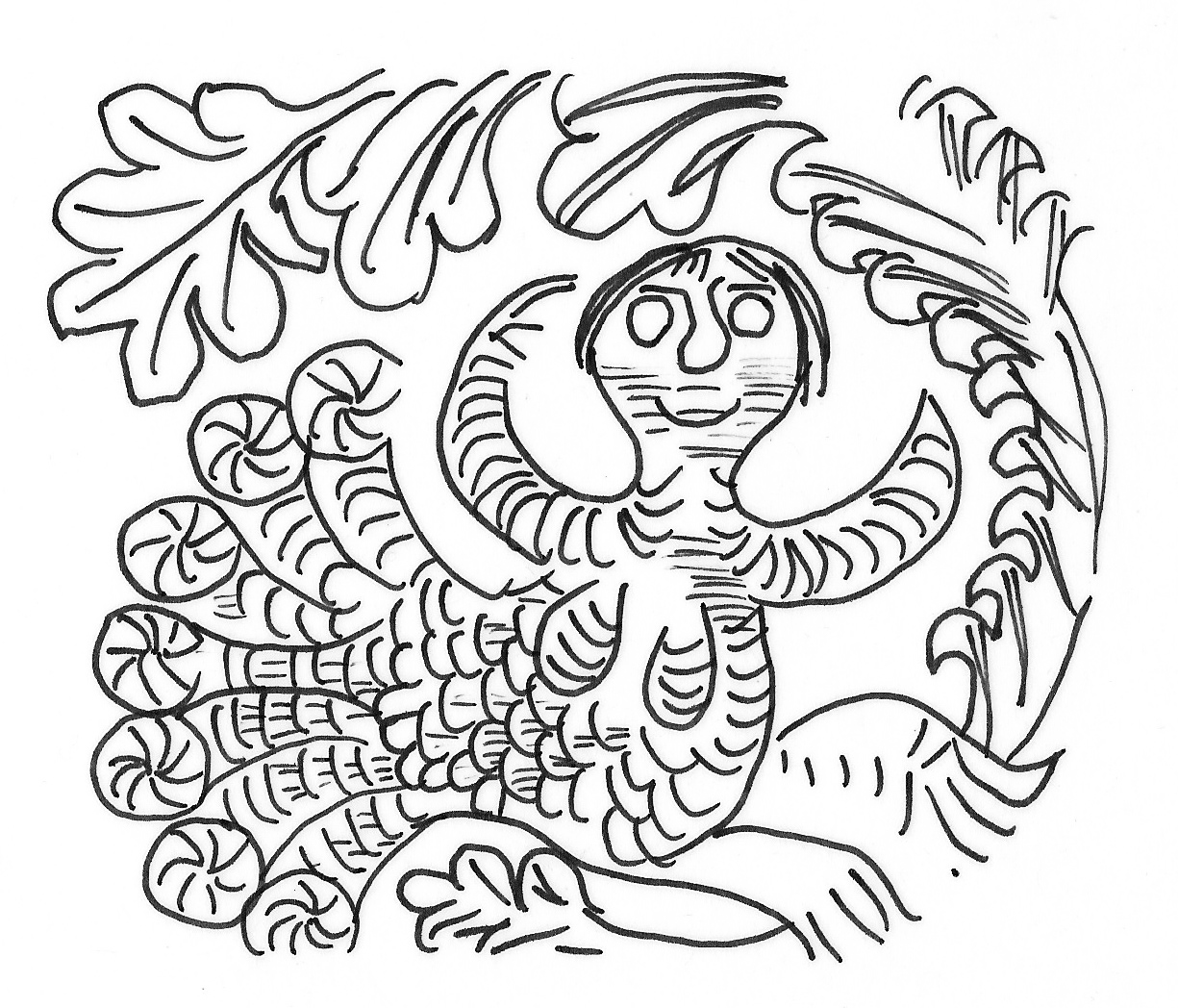 Figure 6b. Sirin, c. 1870. Nizhniy Novgorod region, Sergiev-Posad, Russia. Carved wooden frontal board. Drawing: Limbrick, 2020 (after Hilton 2011:26)
| 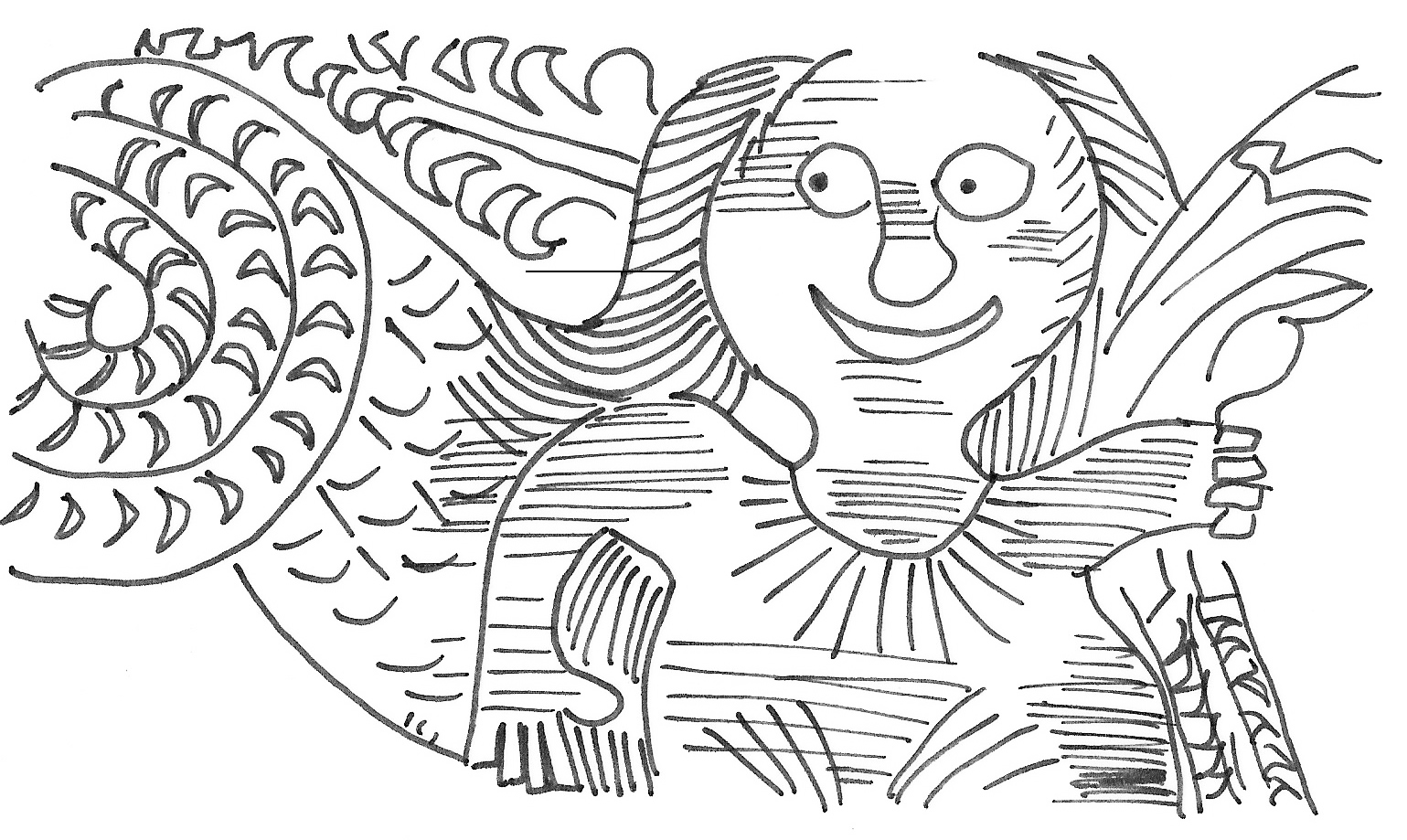 Figure 6c. Beregina, 1855. Volga region, Russia. Carved wooden frontal board. GIM (State History Museum, Moscow). Drawing: Limbrick, 2020 (after Hilton 2011:145).
| 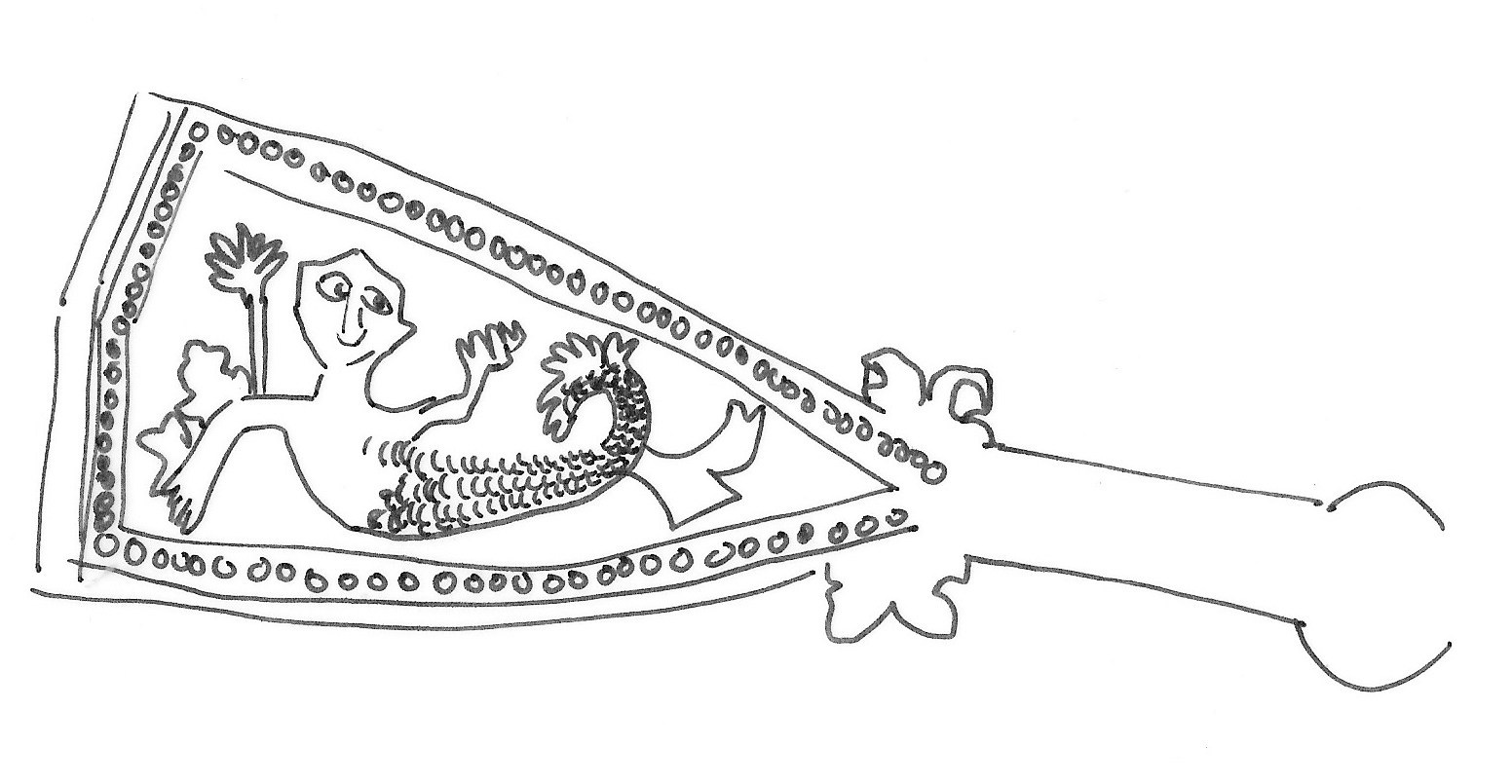 Figure 6d. Beregina or rusalka, 19 C. Wood. Nizhnii Novgorod region, Russia. Carved & painted wooden valek [battledore]. GIM (State History Museum, Moscow). Drawing: Limbrick, 2020 (after Hilton 2011:145).
| 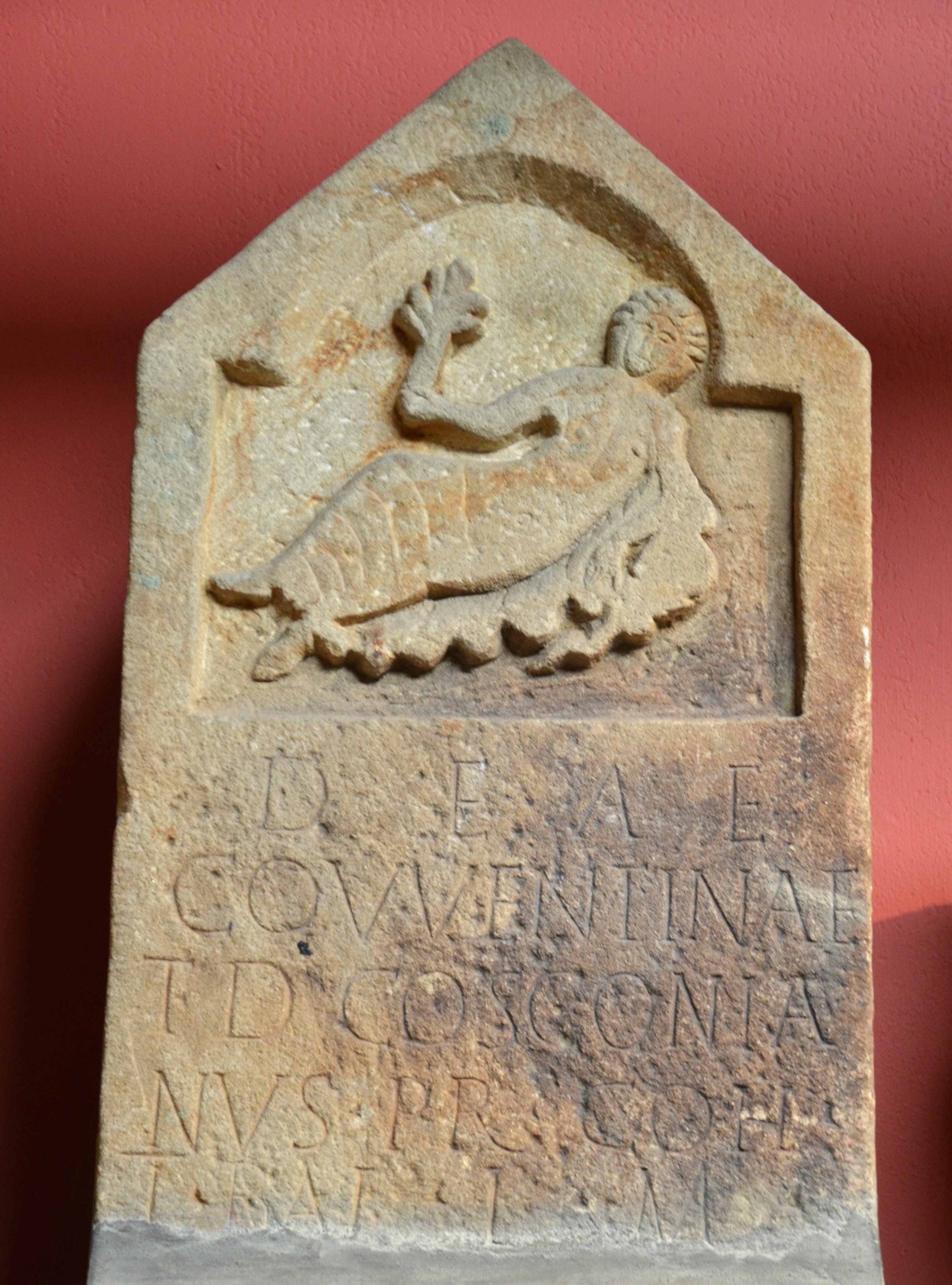 Figure 7a. Coventina on dedication slab, with inscription: “To the goddess Covventina Titus D(…) Cosconianus, Prefect of the First Cohort of Batavians, willingly and deservedly (fulfilled his vow).” [RIB 1534], c. 43-410. Carrawburgh, England. Buff sandstone. H 40.6 x W 73.7 cm. Clayton Museum, Chester’s Roman Fort, Northumberland, UK. Photo: Carole Raddato/WikiCommons.
|
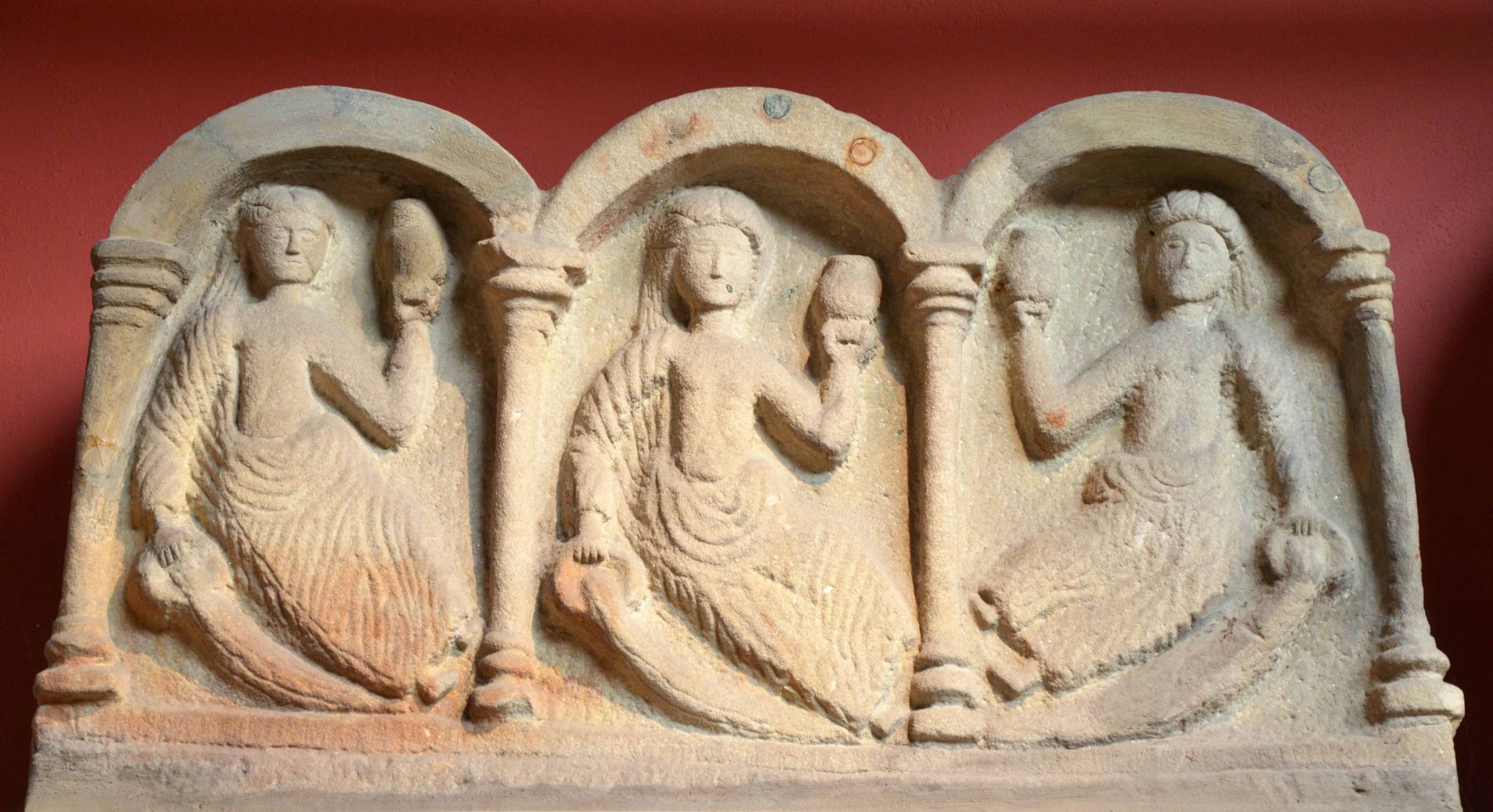 Figure 7b. Three water goddesses, c. 43-410. Carrawburgh, England. Buff sandstone. Clayton Museum, Chester’s Roman Fort, Northumberland, UK. Photo: Carole Raddato/Wiki Commons.
| 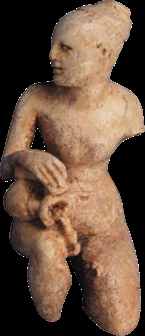 Figure 7c. Water nymph. Romano-British. Bone figurine. H 5.2 cm. Corinium Museum, Cirencester, UK. Inv. no. CY42. Photo: Corinium Museum.
| 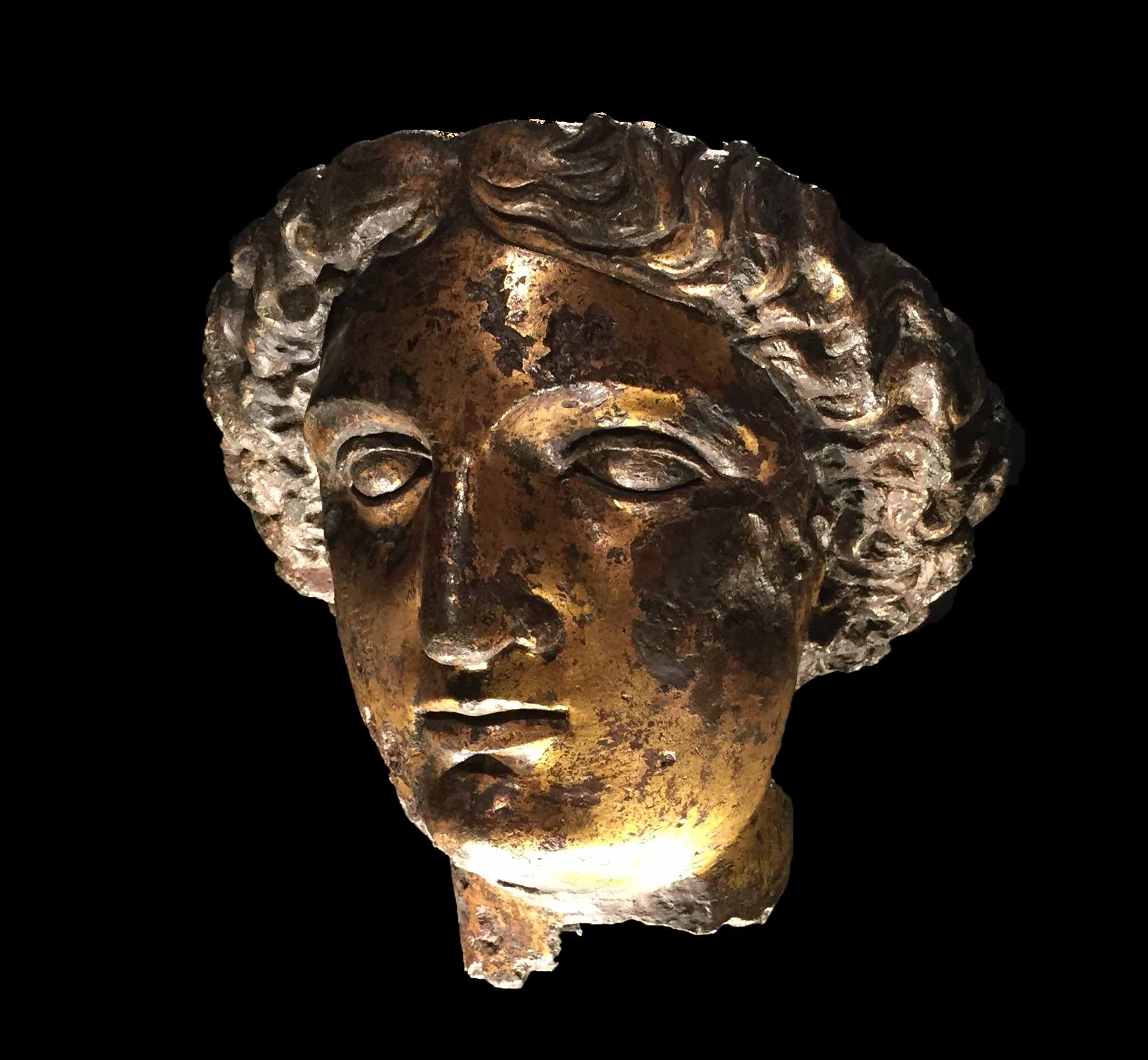 Figure 8a. Head of Minerva Sulis, c. 1C. Roman Baths, Bath, UK. Gilt Bronze. Photo: WikiCommons.
| 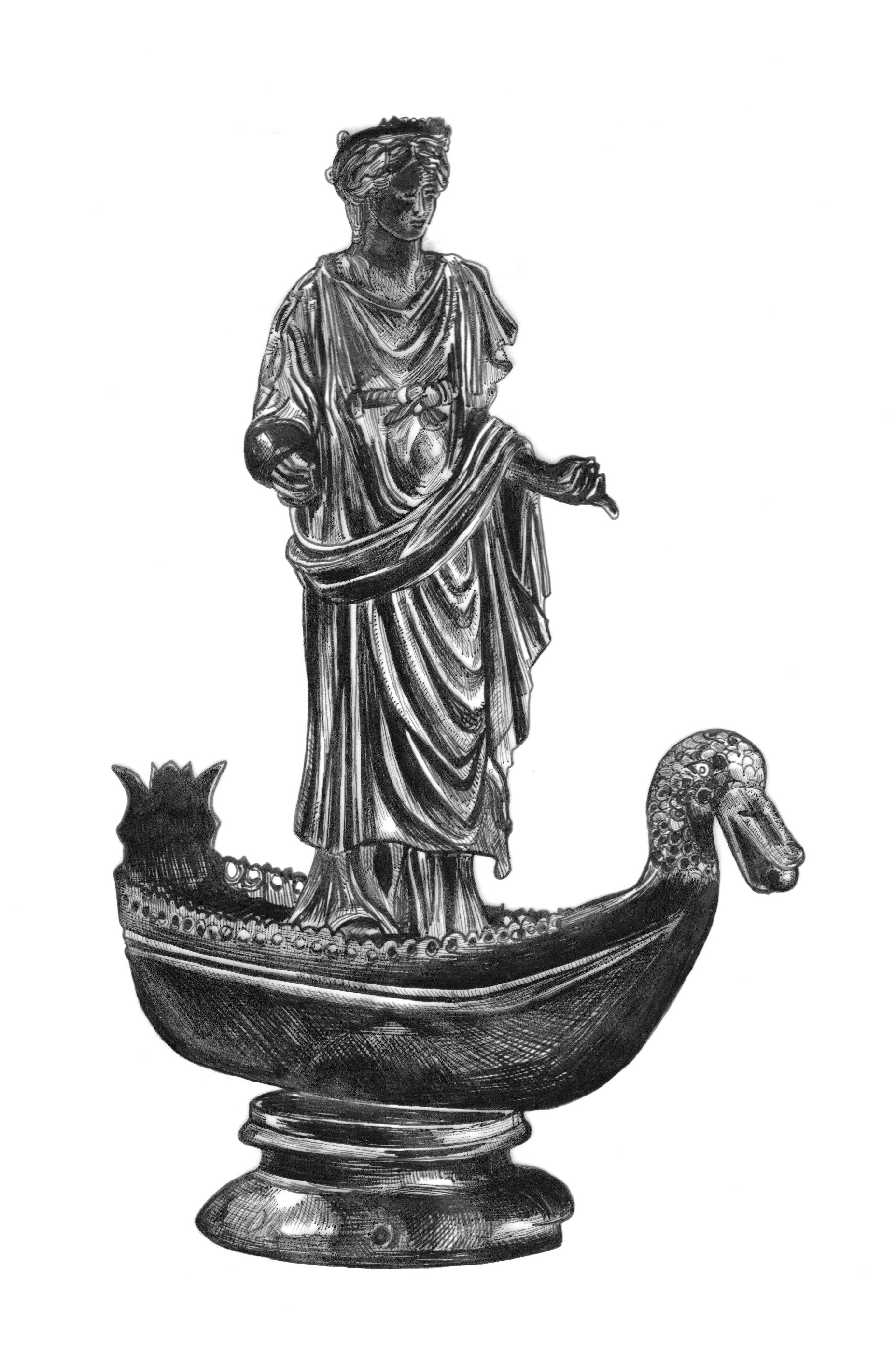 Figure 8b. Sequana in her duck-boat, 1C BCE. Gallo-Roman. Bronze. H 31cm. Musée Archéologique de Dijon, France. Drawing: Kalavainen 2023.
|
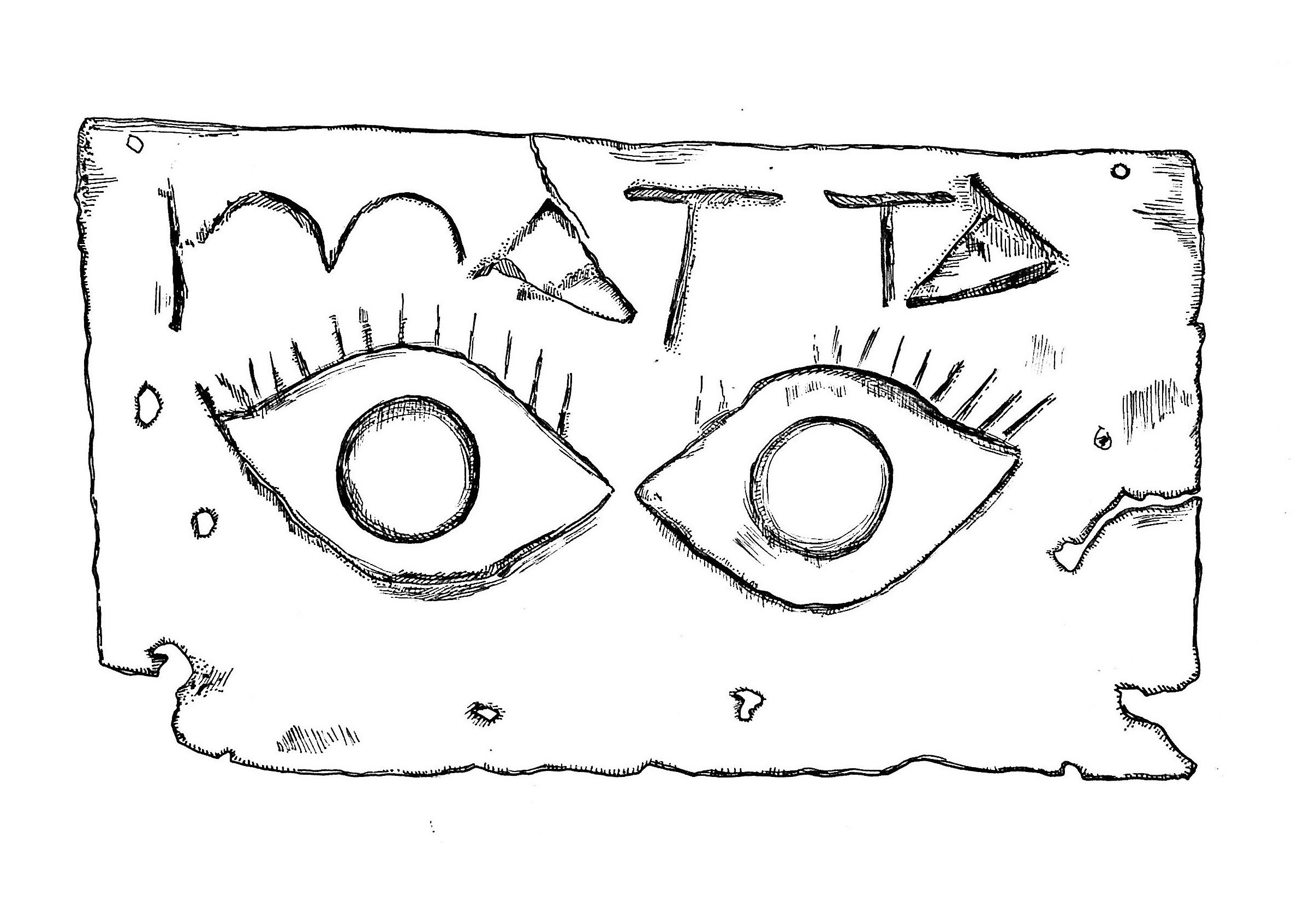 Figure 8c. Votive plaque with eyes and inscription: “Matta was the woman who offered this ex-voto to the deity Sequana to heal her sickness of the eyes”, 1-3C. Gallo-Roman. Sources-de-la-Seine sanctuary, France. Bronze. 5cm. Musée archéologique de Dijon, Dijon. Drawing: Kalavainen 2023.
| 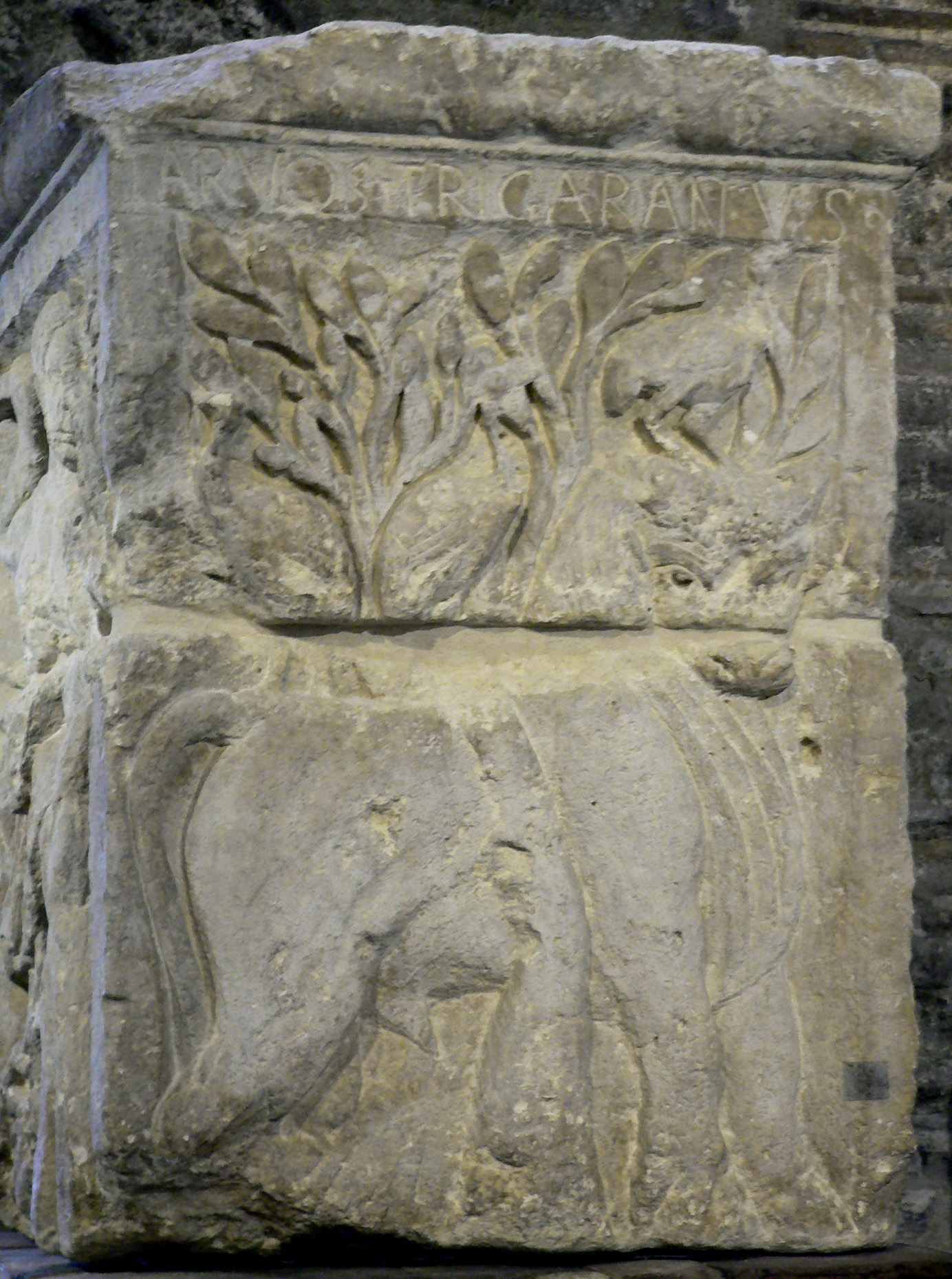 Figure 9a. Tarvos Trigaranus [the bull with three cranes], 1C. Le Pilier des Nautes, Paris. Stone bas-relief. H 2.2 x W 0.92 x D 5.58m. Musée de Cluny, Paris. Photo: WikiCommons.
| 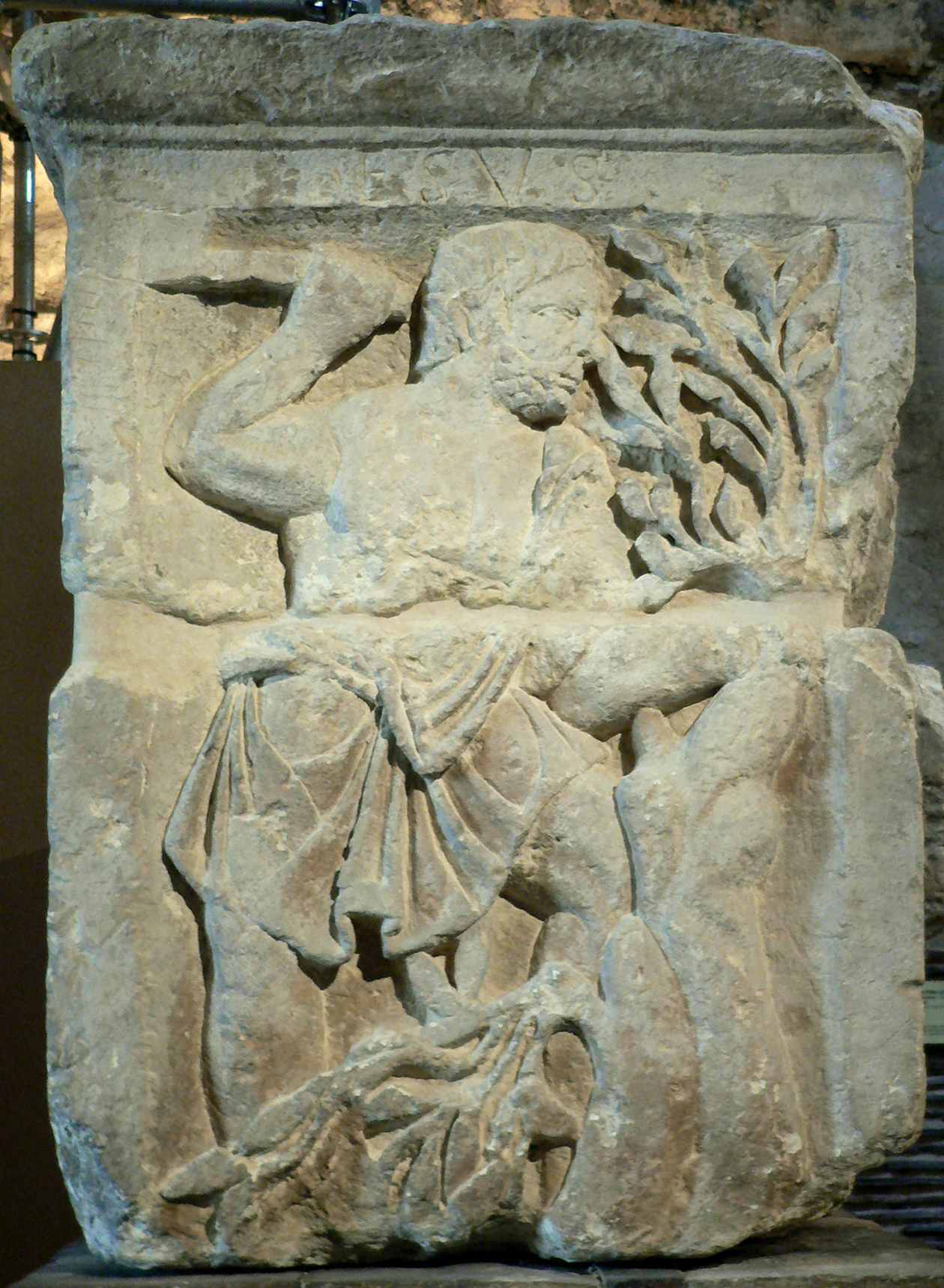 Figure 9b. Esus cutting down a willow, 1C. Le Pilier des Nautes, Paris. Stone bas-relief. Musée de Cluny, Paris. Photo: Musée de Cluny (CC BY-SA 3.0).
| 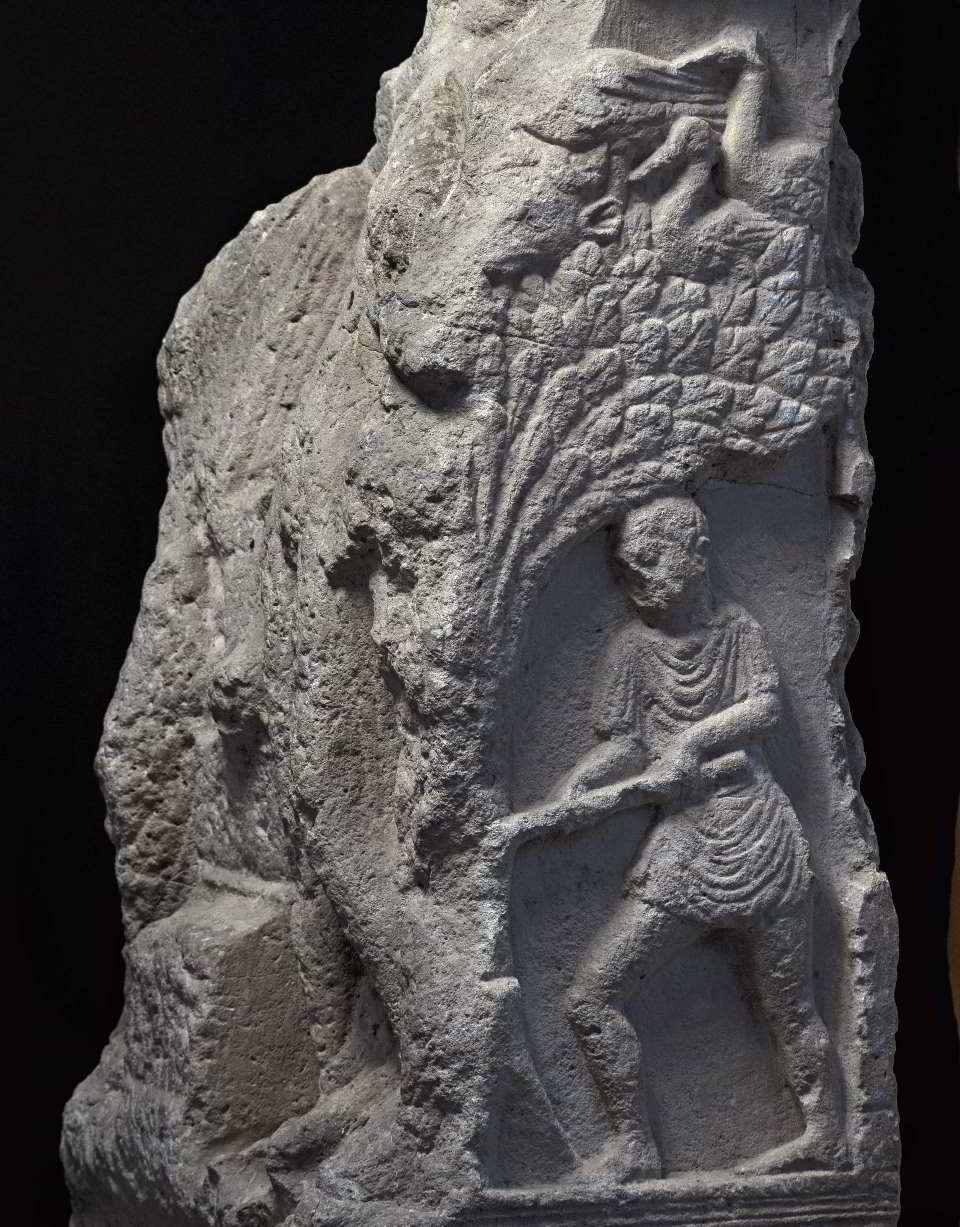 Figure 9c. Esus chopping tree, with bull’s head and three waterbirds in branches, c. 30-70 CE. Gallo-Roman. Limestone bas-relief. H 220 x W 92 cm. Rheinisches Landesmuseum, Trier, Germany. Inv. No. 20258. Photo: Rheinisches Landesmuseum Trier (CC BY-NC-SA 3.0).
|
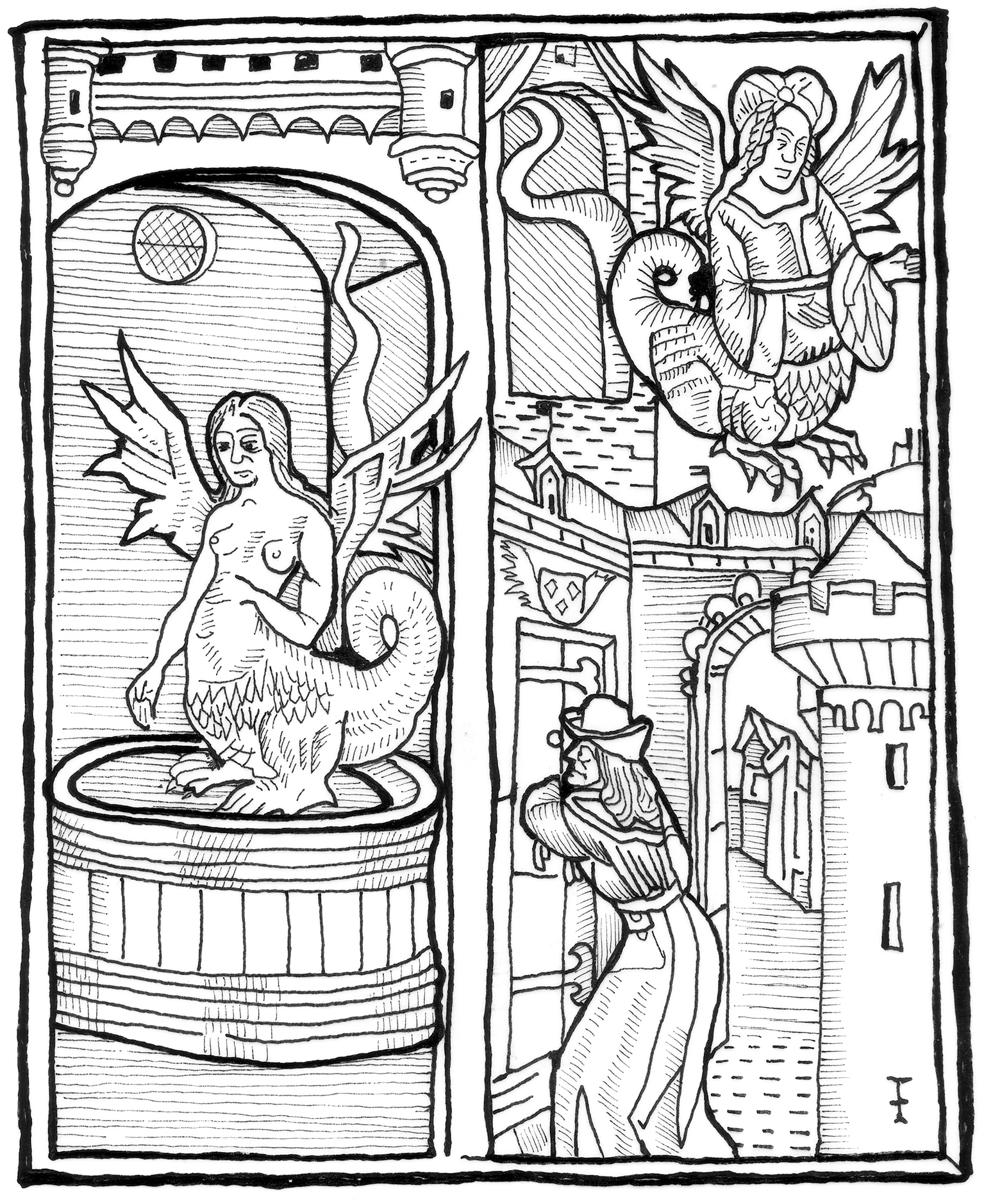 Figure 10a. Mélusine, c.1525. France. In: Jean D’Arras, L’hystoire de Melusine nouvellement imprimée, title page woodcut. Paris: Phillipe Le Noir. Photo: RMN/Gallica.
| 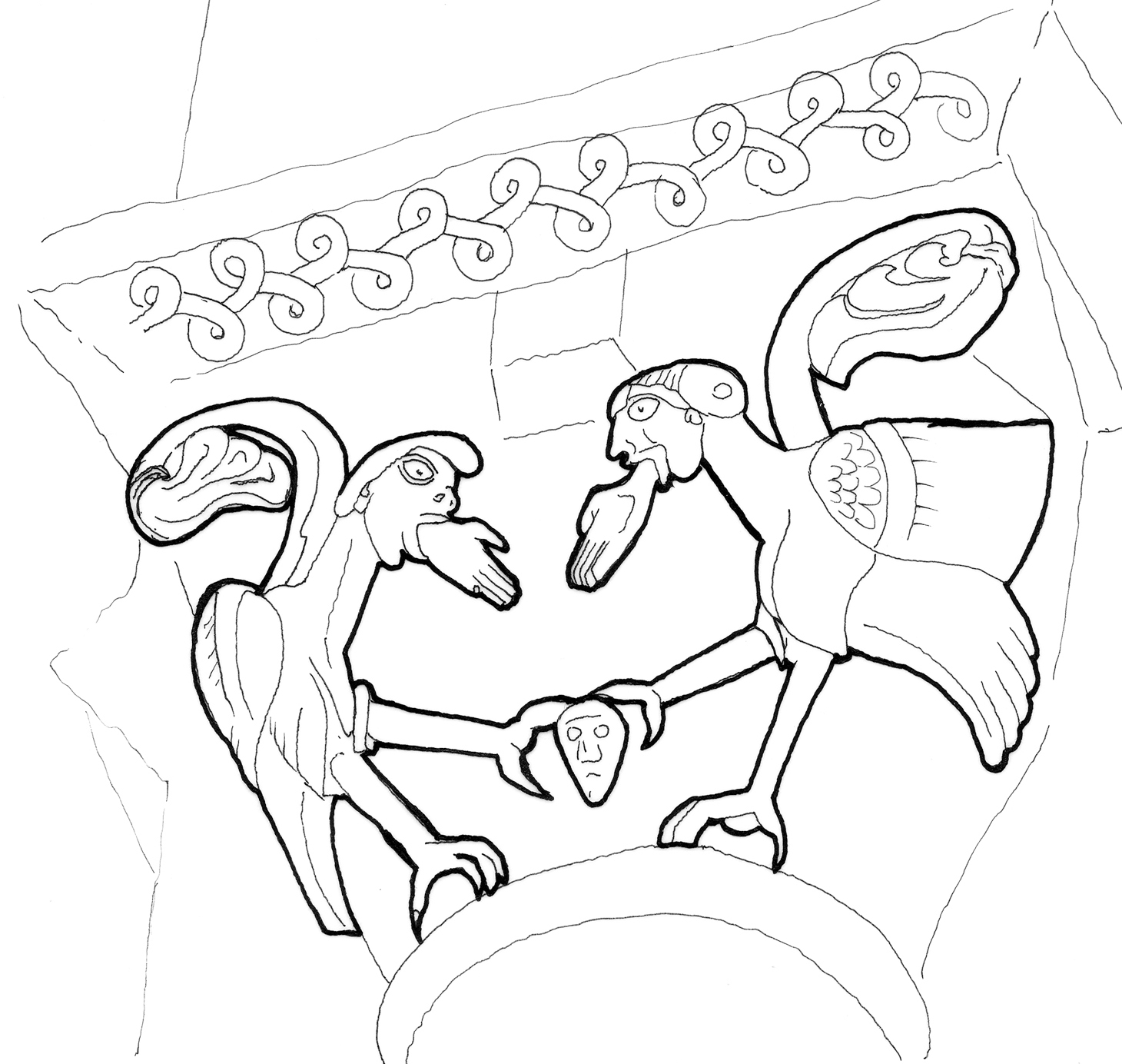 Figure 10b. Knotted sirens, c. 11C. Old Priorale Saint-Cydroine, Saint-Cydroine (Yonne), France. Stone capital. Drawing: Hodges 2007 (after Leclercq-Marx 2002 [1997]:129).
| 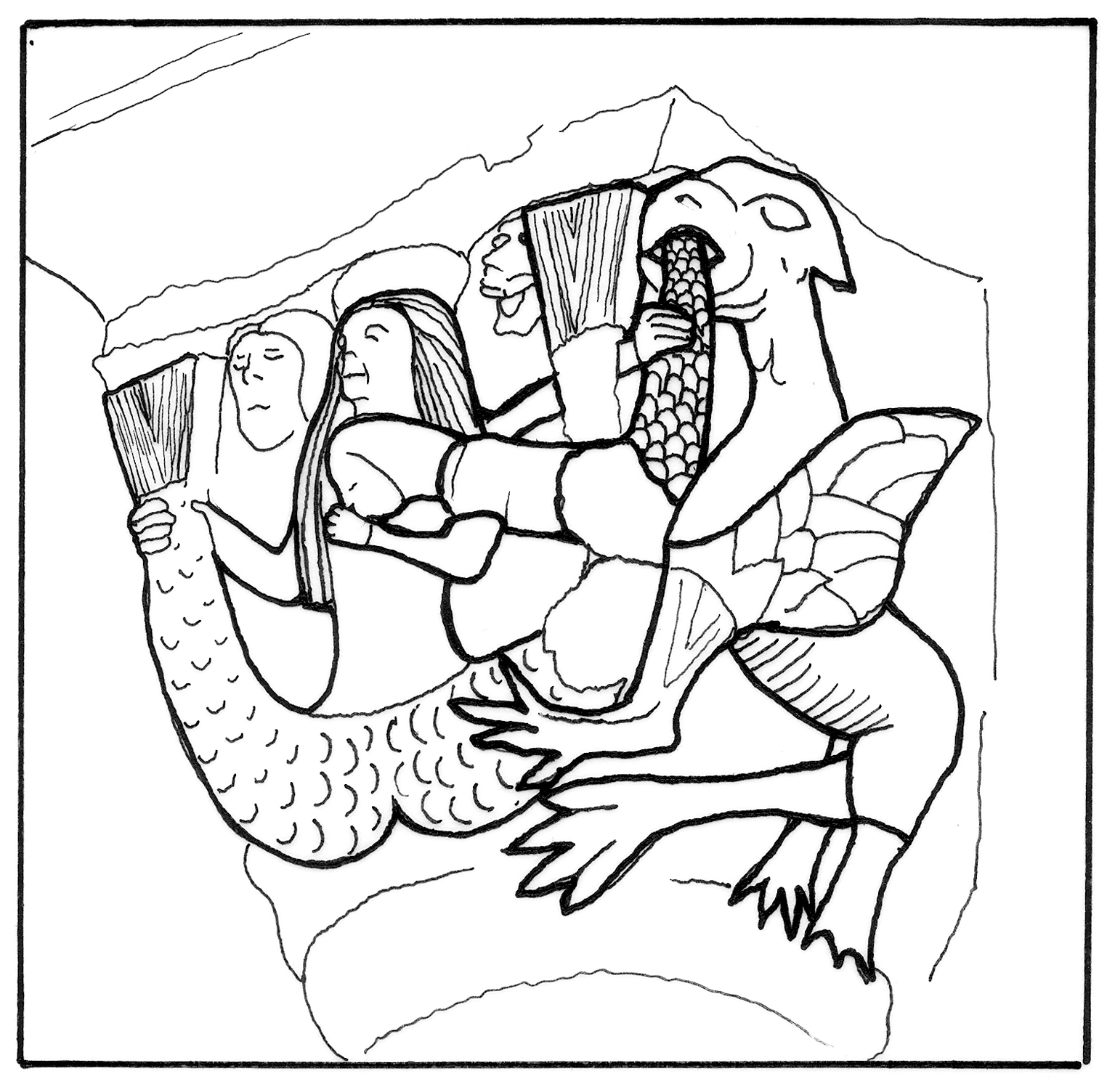 Figure 10c. Lactating sirène-poisson, San Vicente, Serrapio (Asturia). Stone capital. Drawing: Hodges 2007 (after Leclercq-Marx 2002 [1997]:246).
| 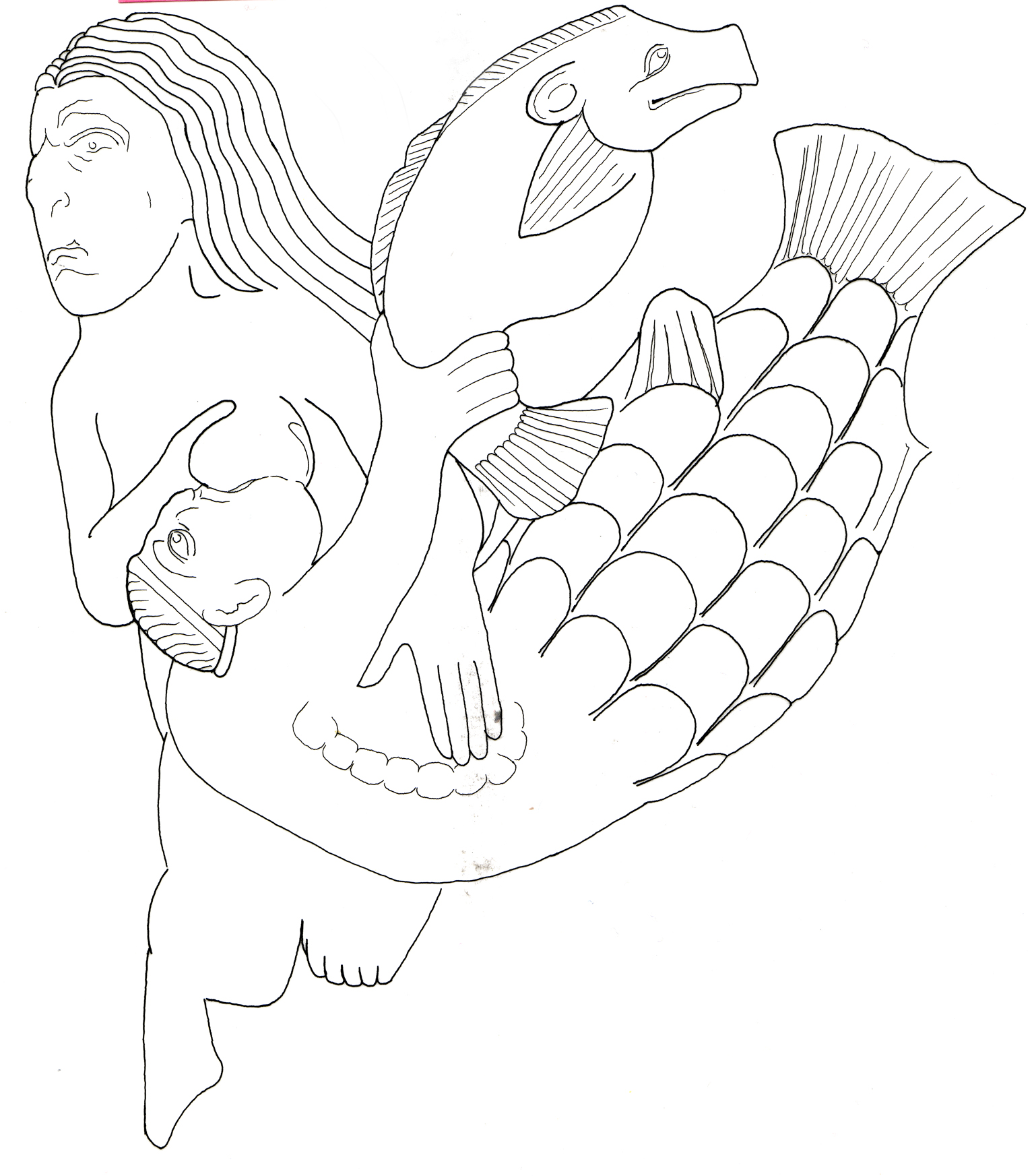 Figure 10d. Lactating sirène-poisson, c. 1200. Notre-Dame, Bâsel, Stone capital. Drawing: Hodges 2007 (after Leclercq-Marx 2002 [1997]:164).
|
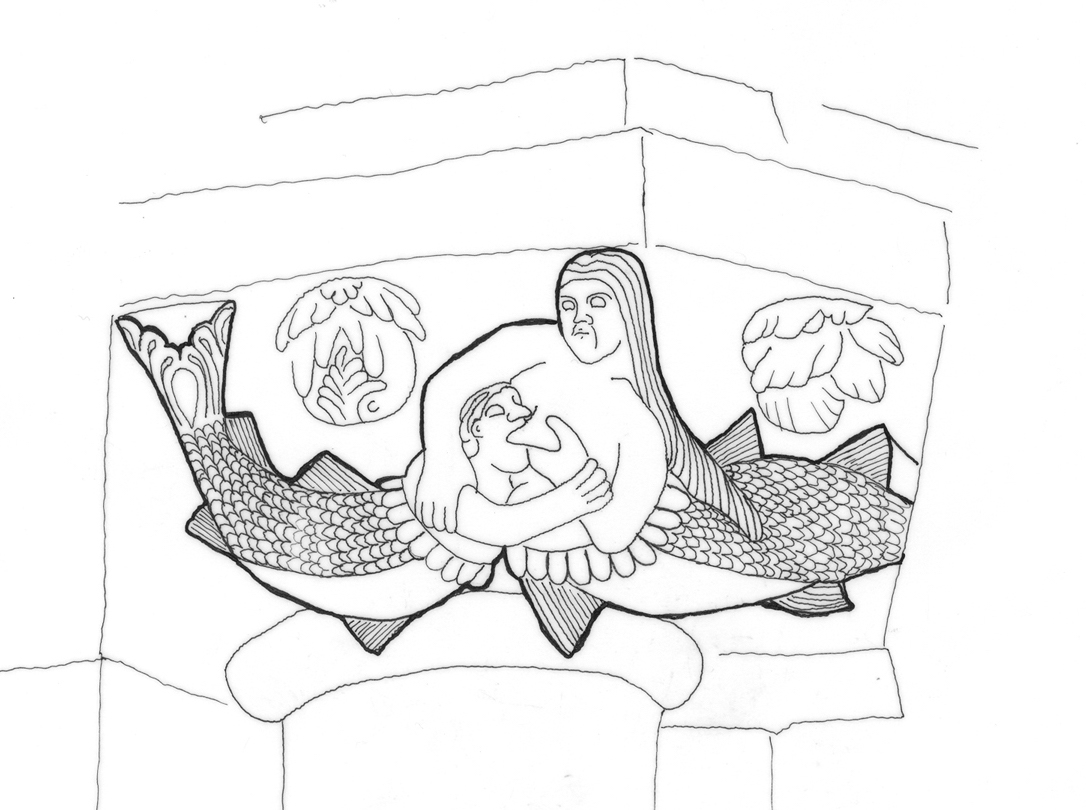 Figure 10e. Lactating sirène-poisson, 13C. Notre Dame, Strasbourg (Bas-Rhin). Stone capital. Drawing: Hodges 2007 (after Leclercq-Marx 2002 [1997]:231).
| 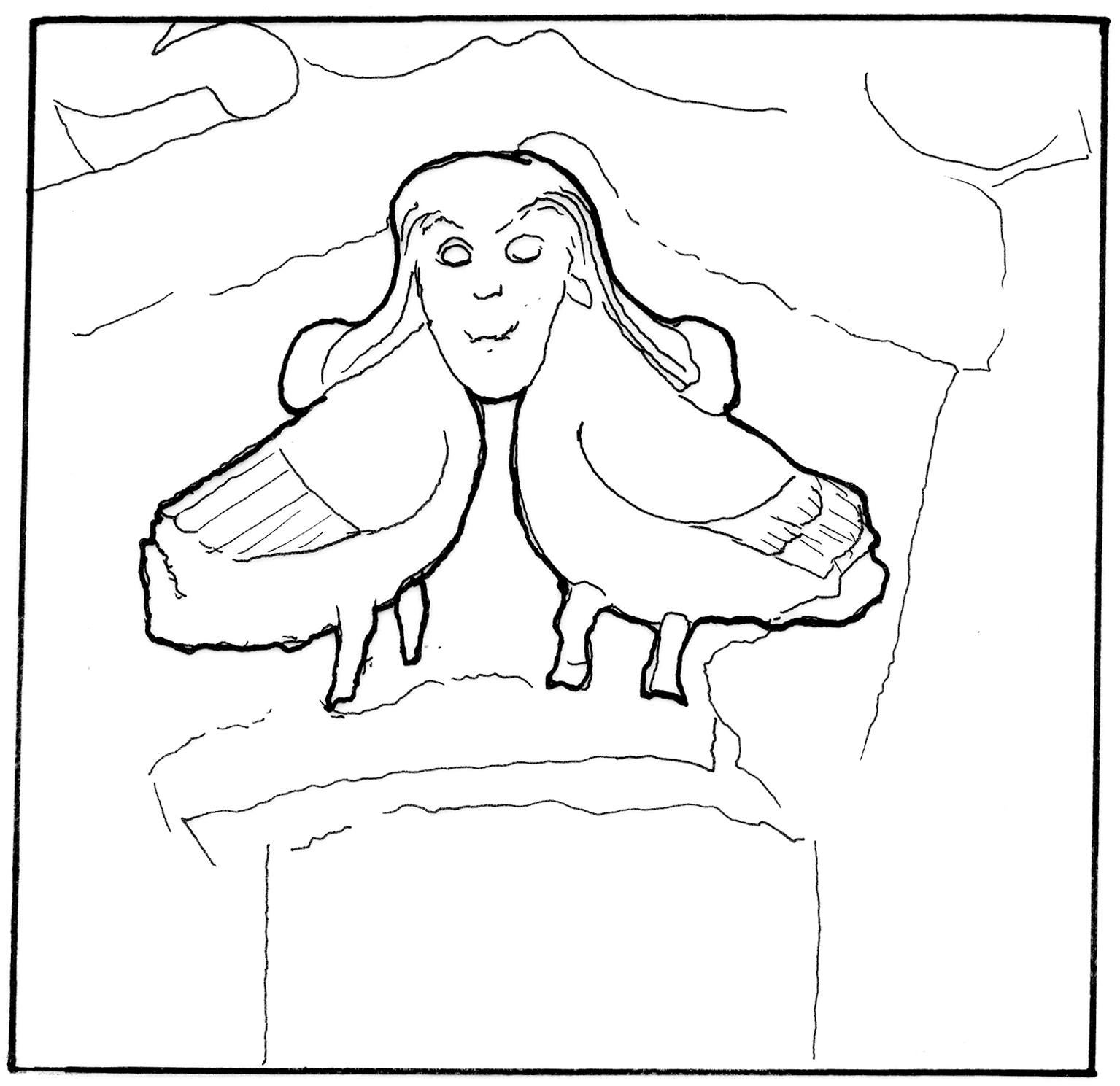 Figure 10f. Old Priorale Saint-Nicolas, Civray (Vienna). 12 C. Stone capital. Drawing: Hodges 2007 (after Leclercq-Marx 2002 [1997]:275).
| 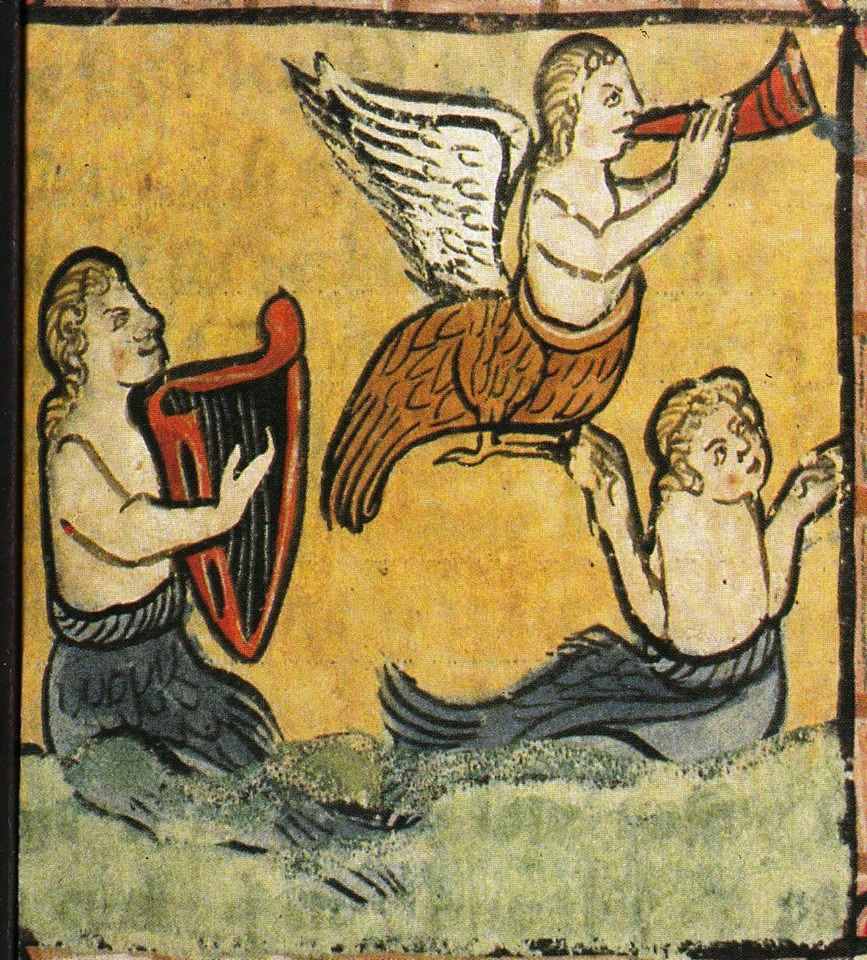 Figure 10g. Musical siren-mermaids, some winged, some fishtailed, c. 1201-1300. France. In: Pierre le Picard (attr.), Bestiaire. Pen & Ink on parchment. Bibliothèque de l’Arsenal, MS 3516. Photo: RMN/Gallica.
| 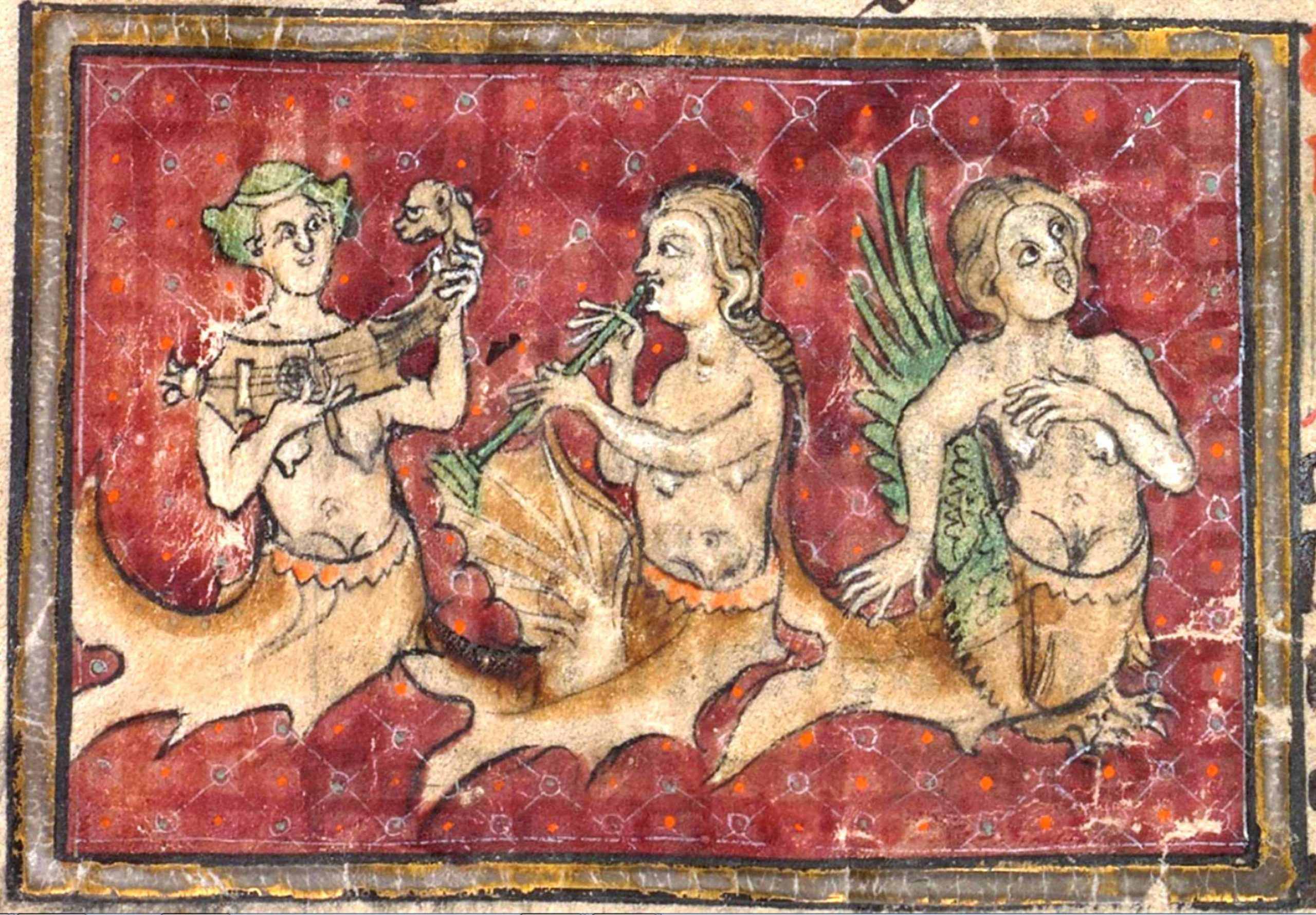 Figure 10h. Sirens combining bird and fish elements, with musical instruments, c. 1315-25. In: Brunetto Latini, Li Livres dou tresor, Pen & Ink on parchment. Picardy, France. British Library, London. MS Yates Thompson 19, fol. 50v. Photo: British Library Board (CC-BY 4.0).
|
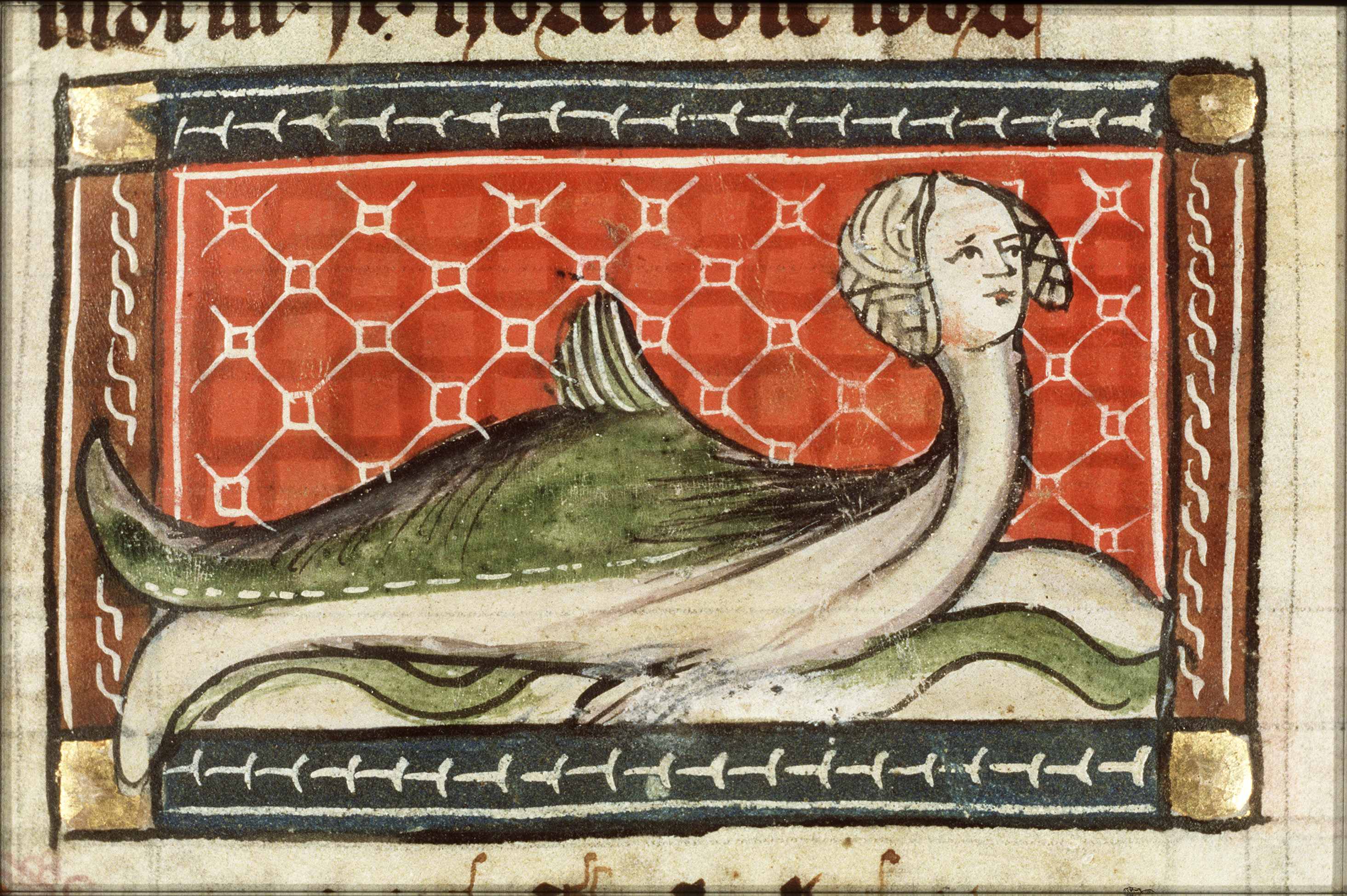 Figure 10i. Nereid (sea-nymph), c. 1340-1350. Flanders. In: Jacob van Mearlant, Der naturen bloeme, f. 108r. Pen & ink on vellum. 35 x 55 cm. Koninklijke Bibliotheek. Inv. No. KB, KA 16. Photo: Koninklijke Bibliotheek (National Library of the Netherlands).
| 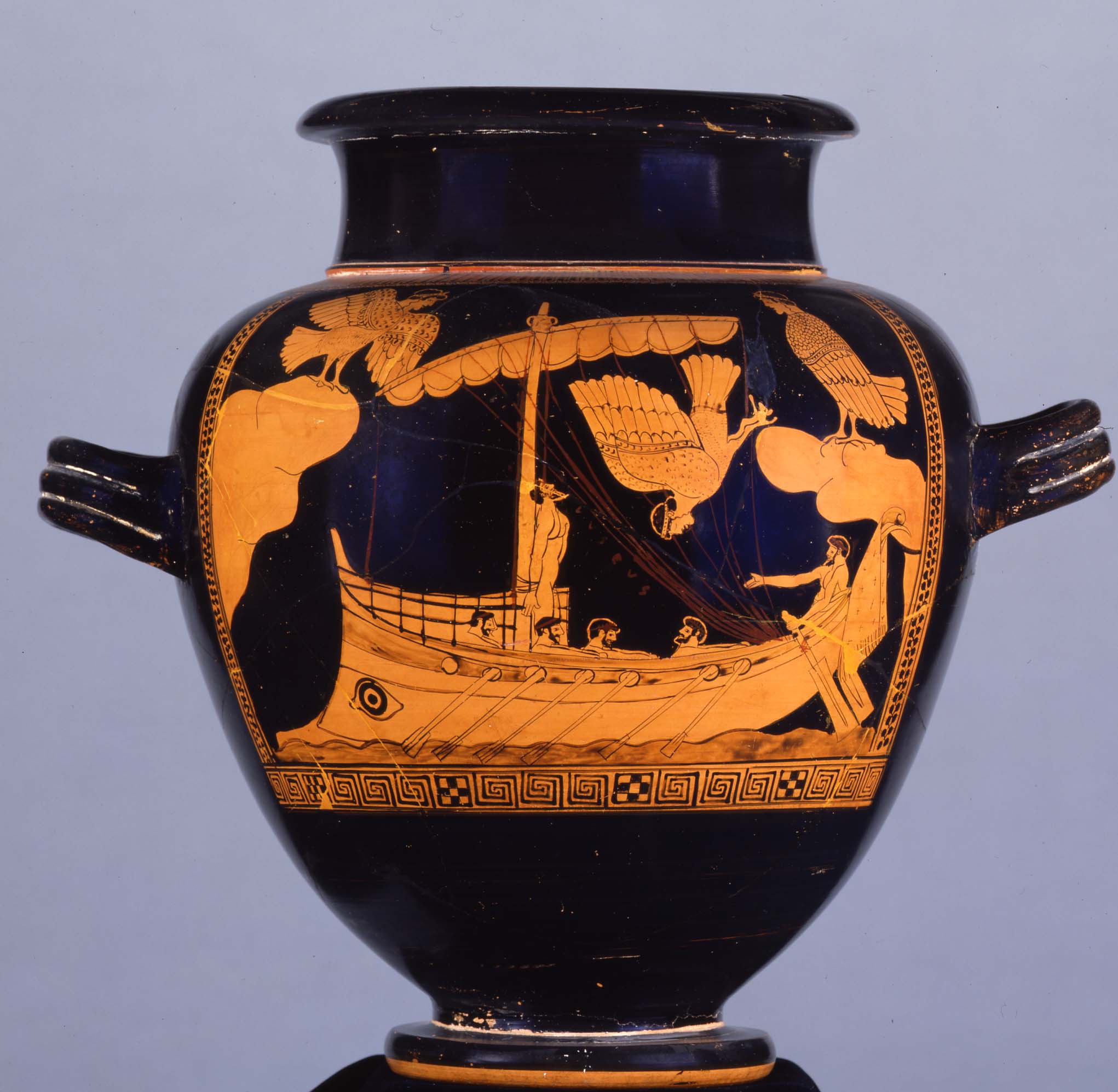 Figure 11a. The Siren Painter, Siren Vase, Side A: Odysseus and the Sirens, c.480-470 BCE. Vulci, Viterbo, Italy. Red-figured stamnos. H 34 x W 38 x D 29 cm. British Museum, London. Inv. No. 1843,1103.31. Photo: © The Trustees of the British Museum.
| 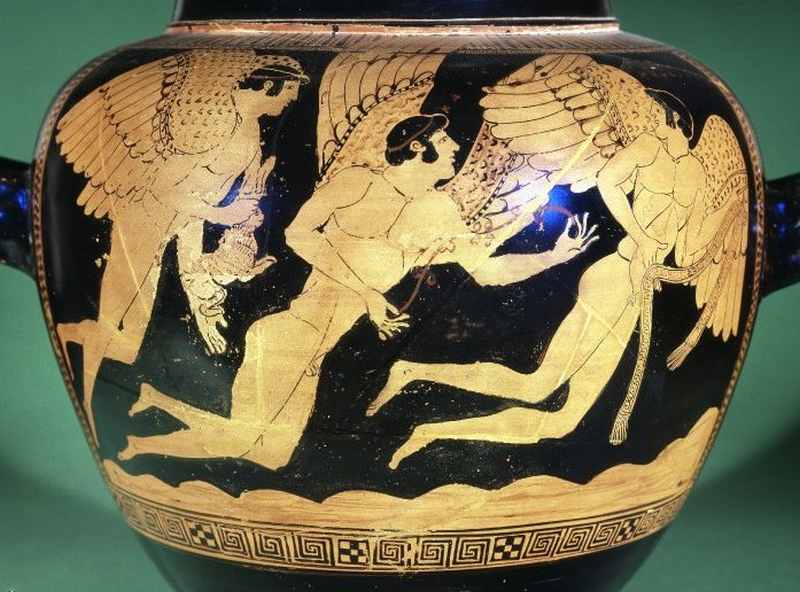 Figure 11b. Side B: The three Erotes, one labelled Himeros. Photo: © The Trustees of the British Museum.
| 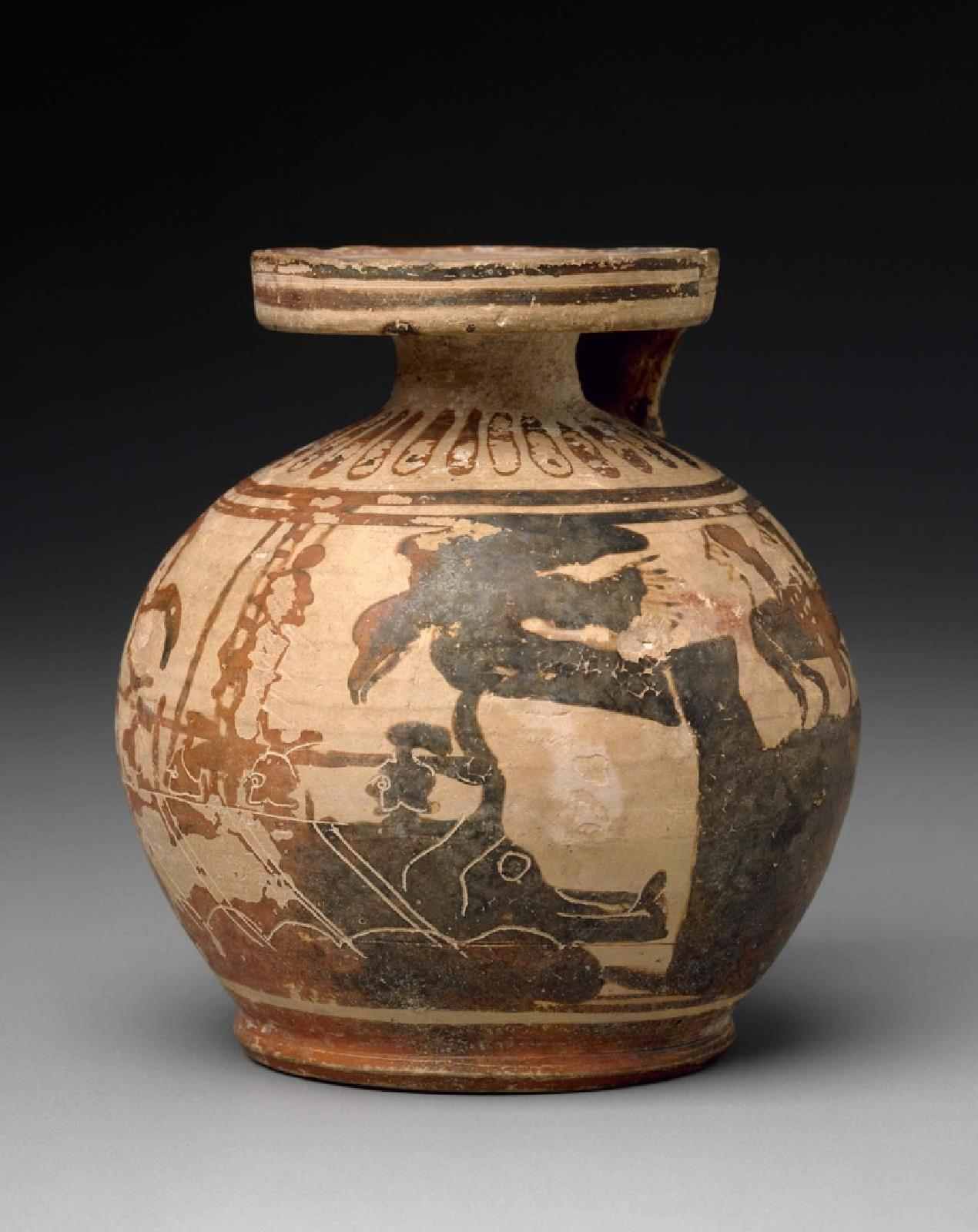 Figure 12a. Odysseus confronted by sirens, 575-50 BCE. Corinth, Greece. Black figure aryballos. H 10.2 x D 9.5 cm. Museum of Fine Arts, Boston, MA. Henry Lillie Pierce Fund. Inv. No. 01.8100. Photo: © Museum of Fine Arts, Boston.
|
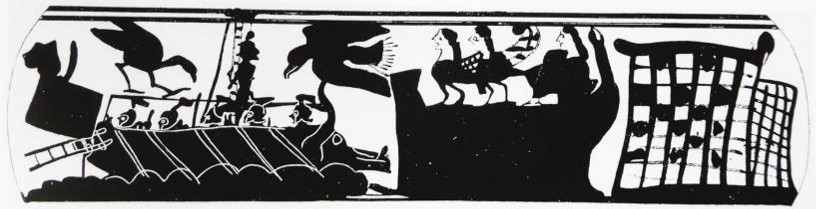 Figure 12b. Scene as before, unrolled. Drawing: after Bulle (1900: 31, fig. 17).
| 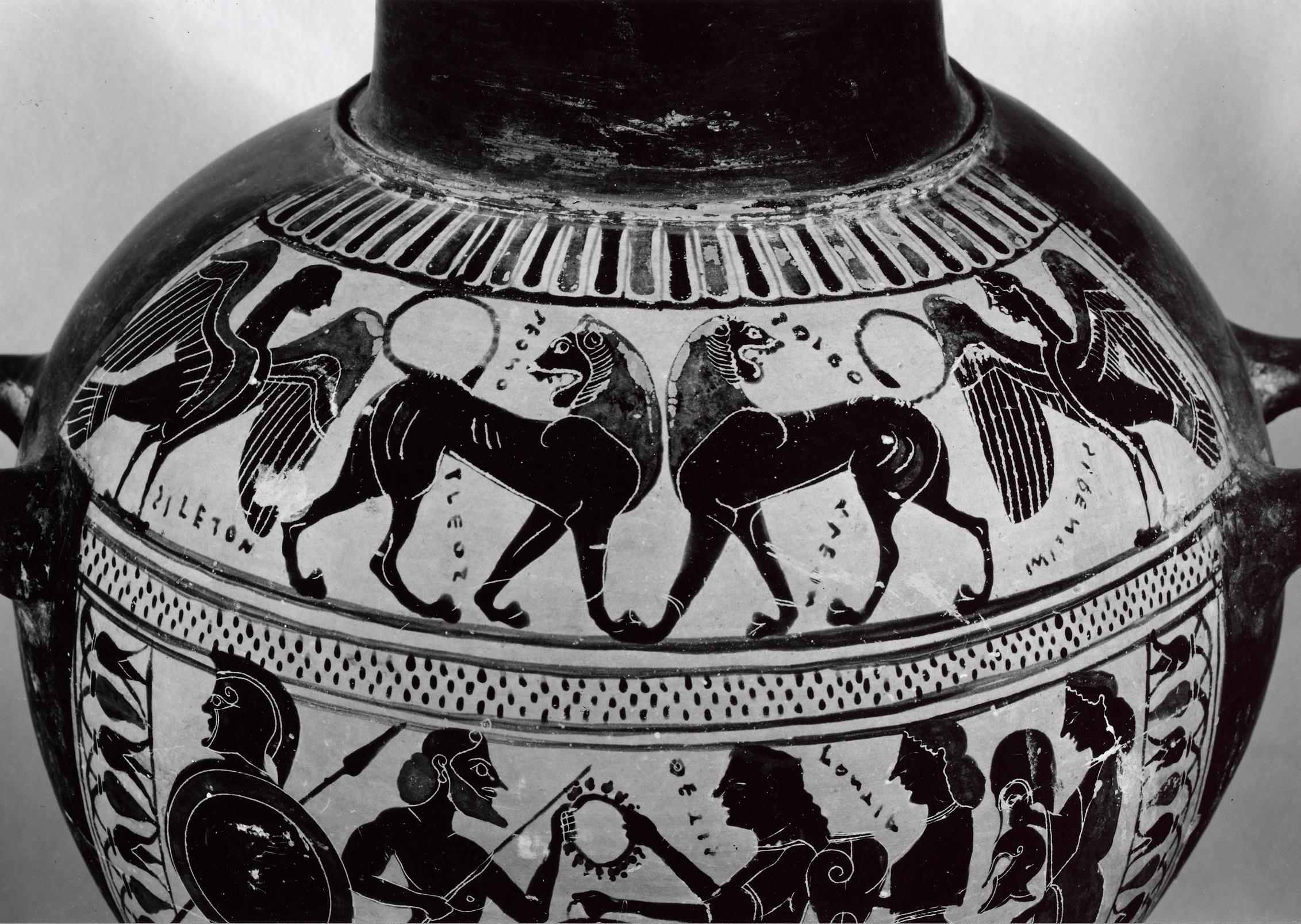 Figure 13. Archippe Group, Lions between sirens, 575-525 BCE. Attica, Greece. Black-figured hydria. Musée du Louvre, Paris. Inv. E 869. Photo: RMN/Gallica.
| 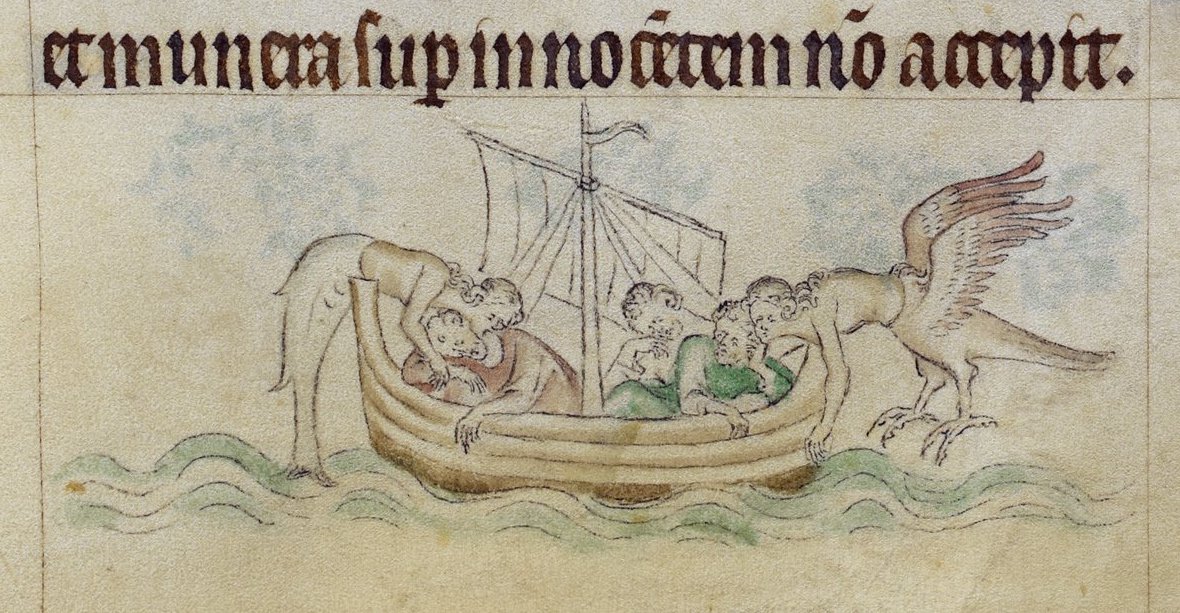 Figure 14a. Queen Mary Master, Sirens attacking sleeping sailors, c. 1310-20. England. In: The Queen Mary Psalter, Royal MS 2 B VII, f. 97r, British Library. Pen and ink on parchment. 27.5 x 17.5 cm. Photo: British Library Board (CC-BY 4.0).
| 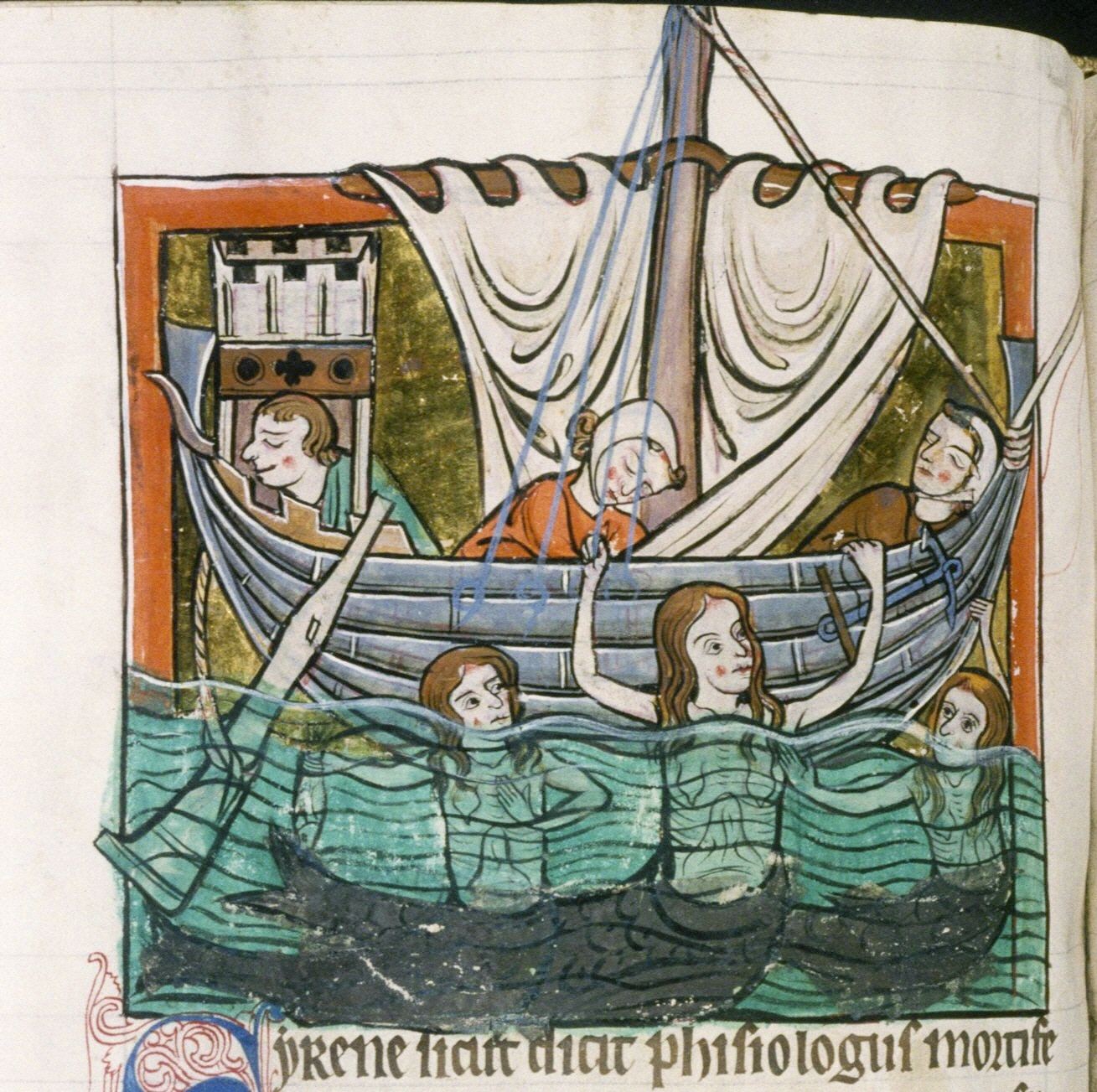 Figure 14b. Sirens putting sailors to sleep with their song, c. 1225-50. England. In: MS. Bodl. 764, f. 74v, Bodleian Library, Oxford. Pen and ink on parchment. 29.8 x 19.5 cm. Photo: Bodleian Libraries, University of Oxford (CC-BY-NC 4.0).
|
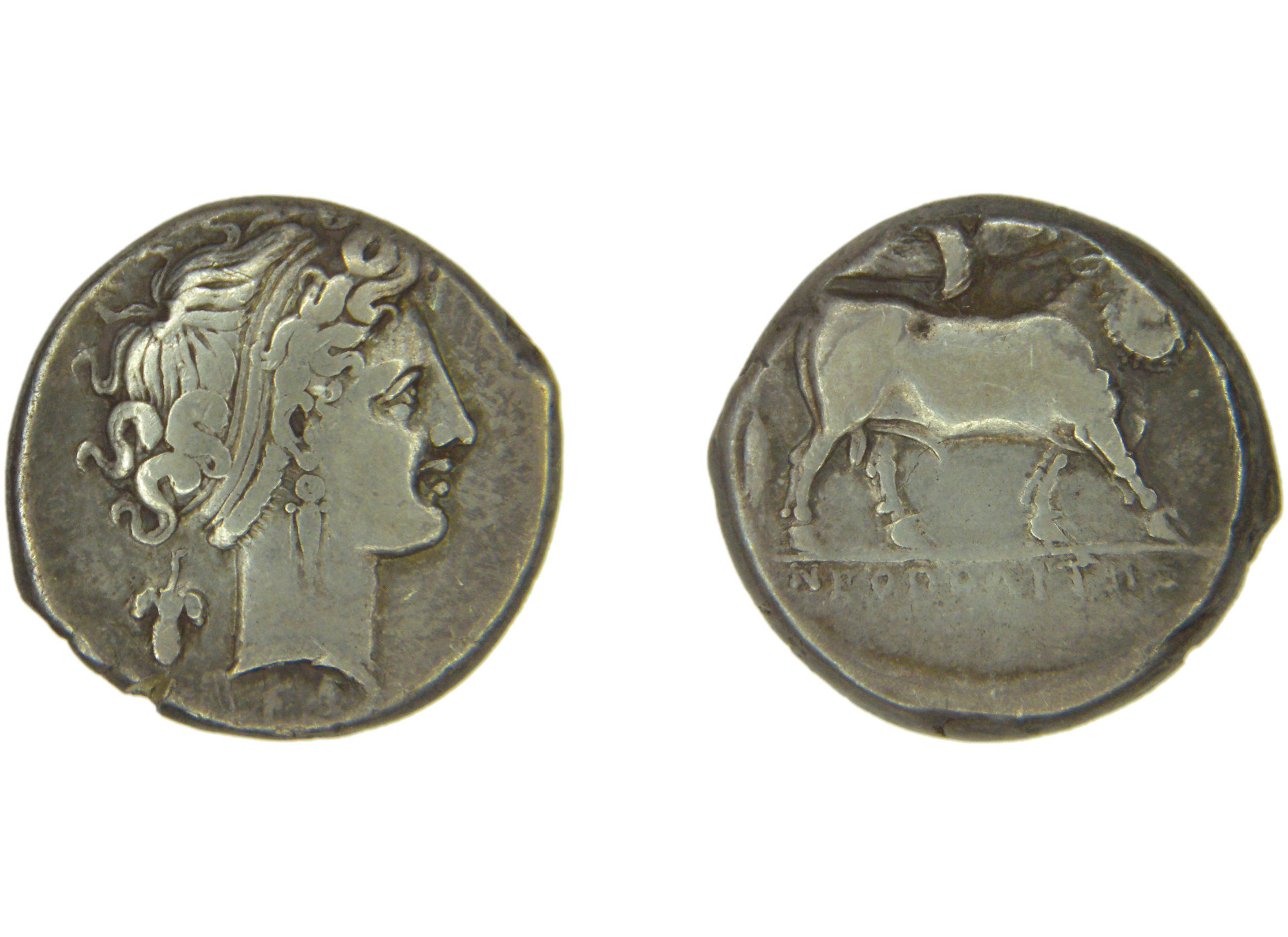 Figure 15a. Silver didrachm, c. 320-300 BCE. Neapolis, Campania (Naples, Italy). L: obverse, bust of Parthenope. R: reverse, androcephalous bull river-god. D 19mm. British Museum, London. Inv. 1994,0915.111. Photo: © The Trustees of the British Museum.
| 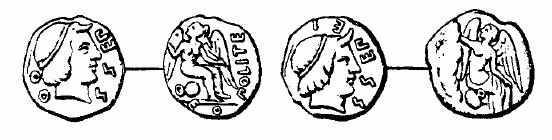 Figure 15b. Two silver obols, 400-380 BCE. Neapolis, Campania (Naples, Italy). L: obverse, bust of Neapolitan horned river god Sebethos. R: reverse, winged female figure seated on flowing urn. Illustrations from Garrucci 1885.
| 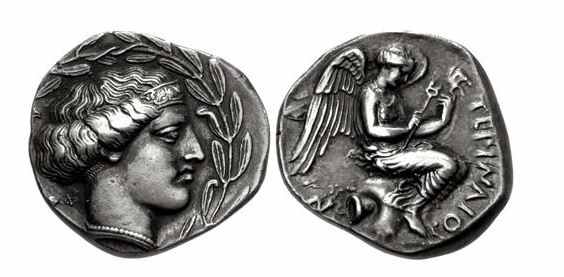 Figure 15c. Silver didrachm, c. 425-420. Terrina in Bruttium, Calabria, Italy. L: obverse, bust of Terina. R: reverse, winged female figure seated on flowing hydria, holding olive wreath & caduceus, bird perched on finger. D 20.5 mm. British Museum Electrotype by Robert Ready. Photo: Classical Numismatic Group, 2020.
| 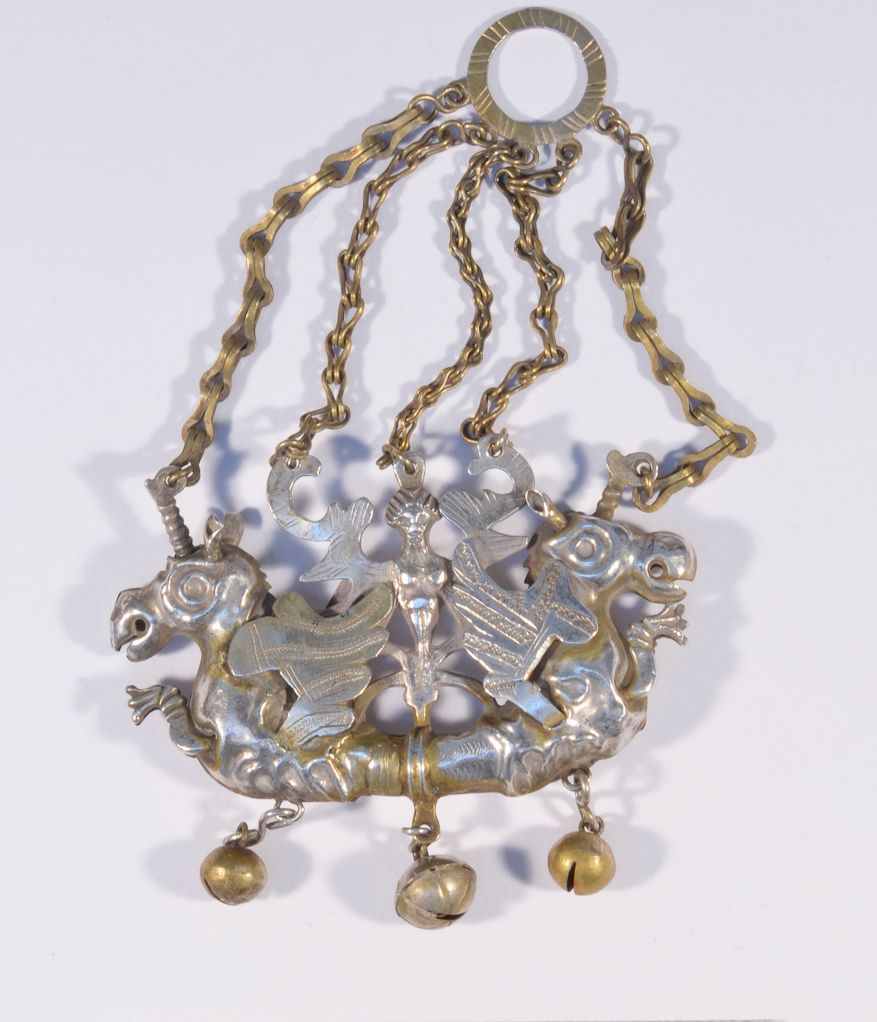 Figure 15d. Doubled-tailed siren, seated on doubled-headed hippocampus (sea horse). Collected by Eustace Neville-Rolfe between 1880-1900. Naples, Italy. Silver amulet. 70mm. Pitt Rivers Museum, University of Oxford, UK. Inv. No. 2010.46.50. Photo: © courtesy of Pitt Rivers Museum, University of Oxford.
|
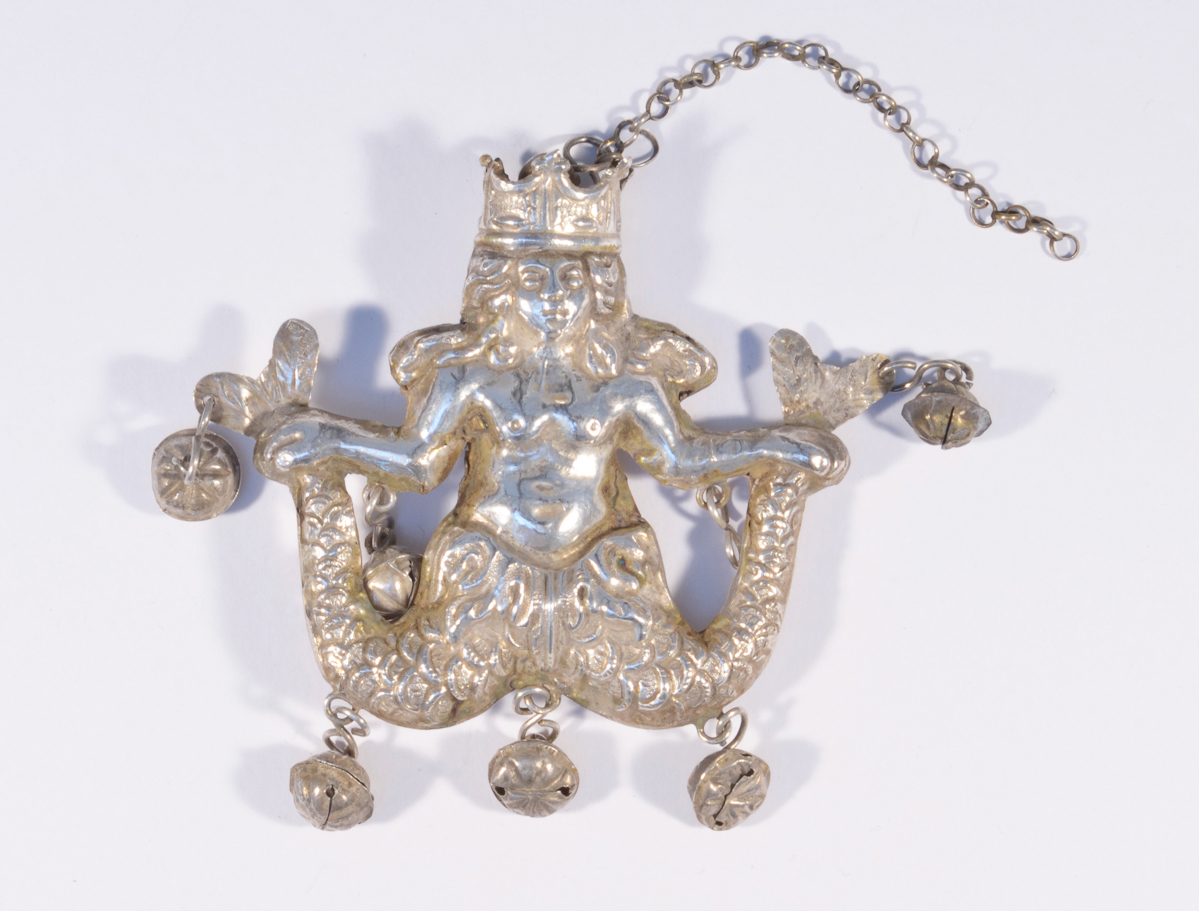 Figure 15e. Doubled-tailed, crowned siren, hands on ends of scaled tails. Collected by Eustace Neville-Rolfe between 1880-1900. Naples, Italy. Silver amulet. 90mm. Pitt Rivers Museum, University of Oxford, UK. Inv. No. 2010.46.64. Photo: © courtesy of Pitt Rivers Museum, University of Oxford.
| 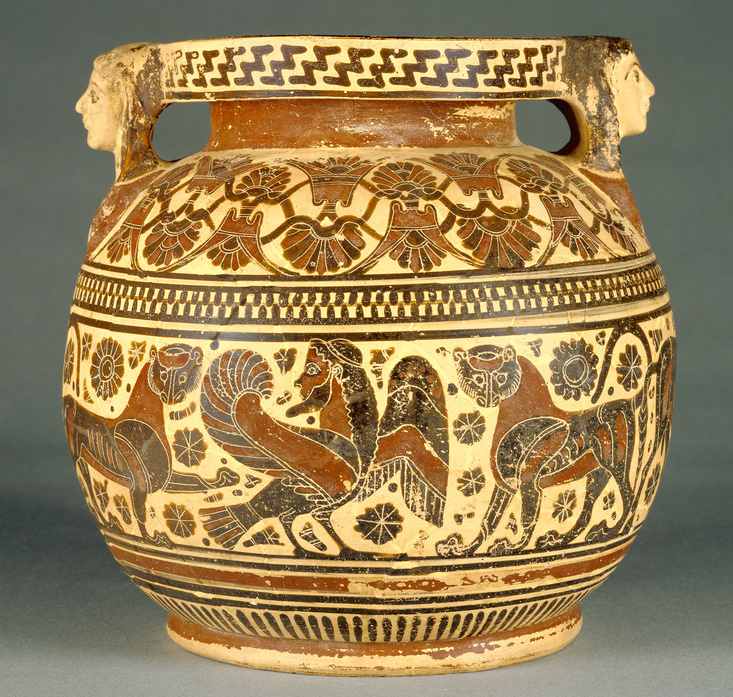 Figure 16a. Possibly by the Chimaera Painter (fl. 600-575 BCE), bearded Siren, c. 570 BCE. Corinth, Greece. Round-bodied pyxis. H 21.7 x D 22.2 cm. The J. Paul Getty Museum, Villa Collection, Malibu, CA. Inv. No. 88.AE.105. Photo: Courtesy of Getty Open Content Program.
| 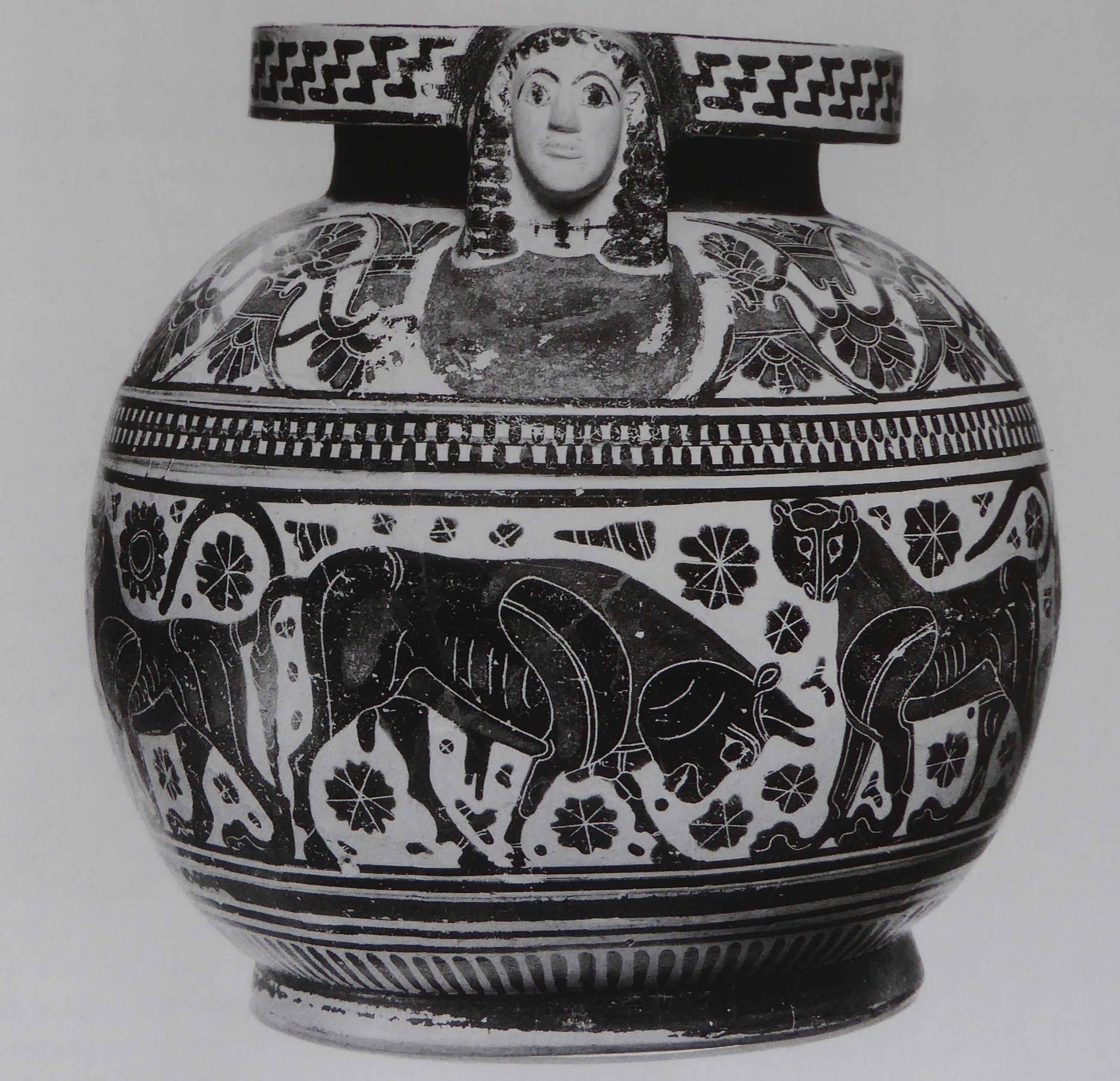 Figure 16b. Reverse, with bull and panthers. Photo: Courtesy of Getty Open Content Program.
| 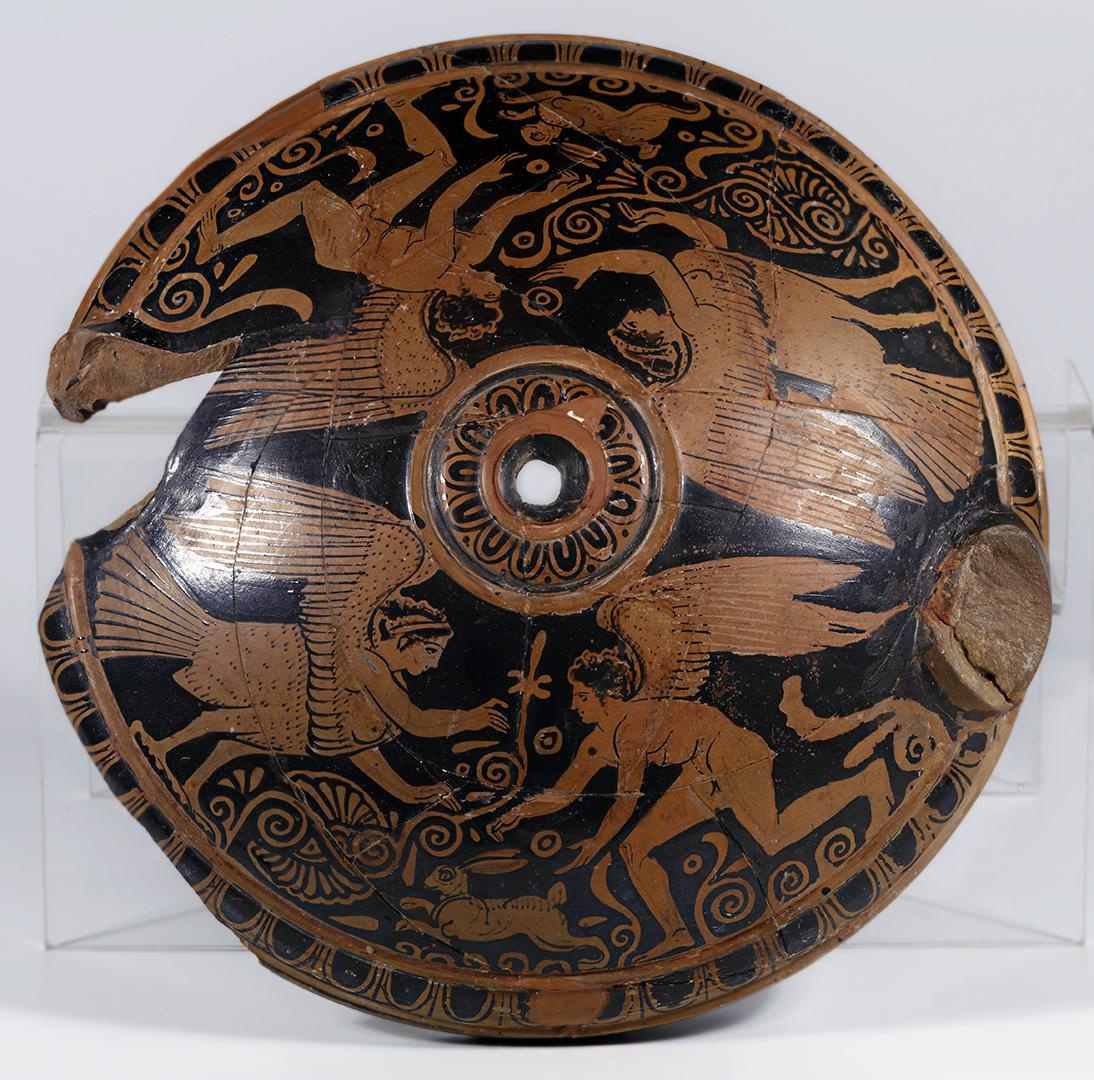 Figure 16c. Siren and Eros, 5C BCE. Necropolis, Nymphaeum, Crimea. Upper-part of red-figured askos. Clay, black lacquer. D 19.1 cm. The State Hermitage Museum, St. Petersburg, Russia. Inv. No. ГКН.-180. Photo: Courtesy of State Hermitage Museum, St. Petersburg.
|
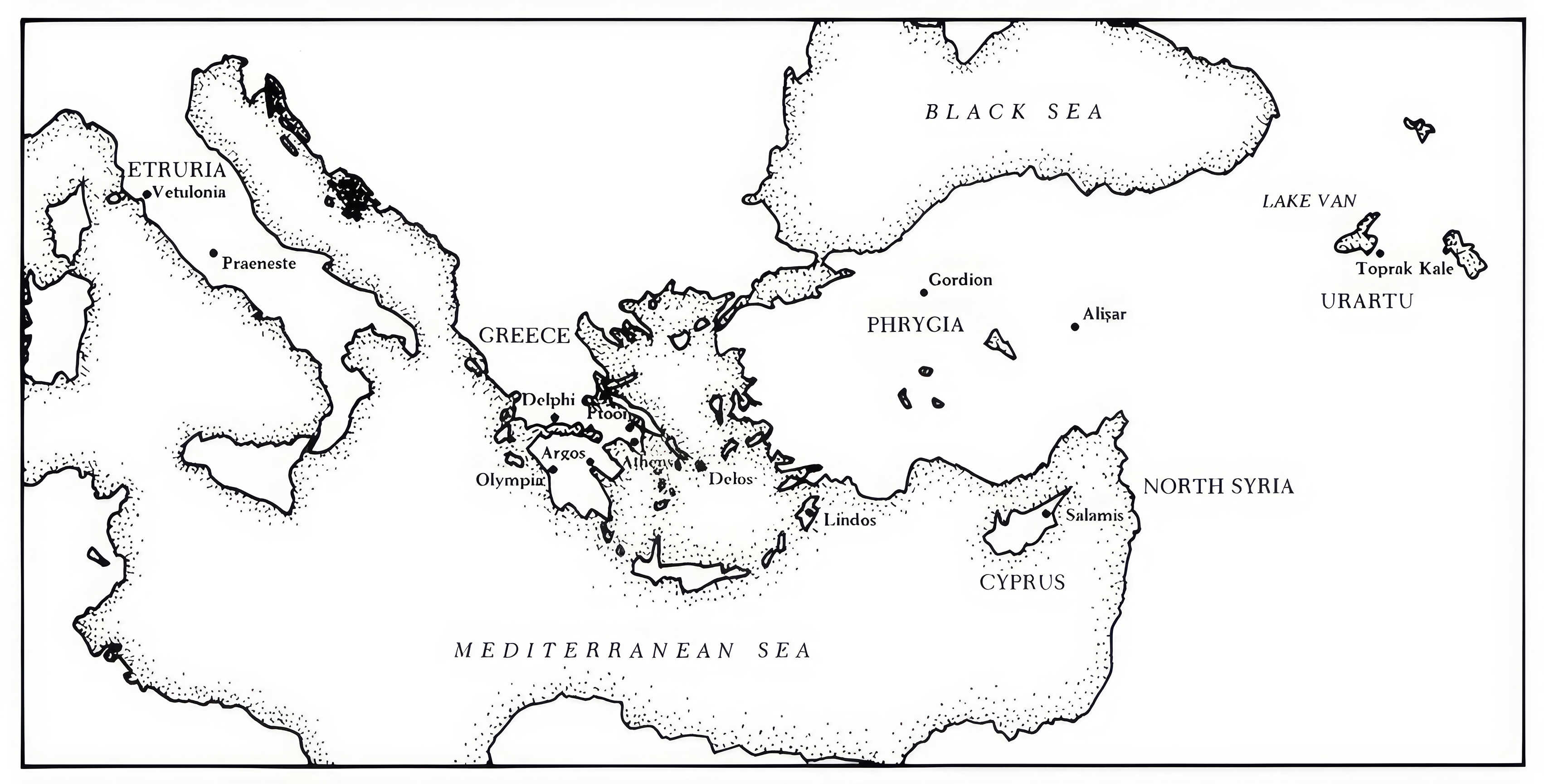 Figure 17. Map of Mediterranean and Near East with find sites for siren-attachment cauldrons. Image: McLachlan Powell 2025 after Julie Cowan (Romano & Pigott 1983: 124, fig. 7), with thanks to David Romano & Vincent Pigott.
| 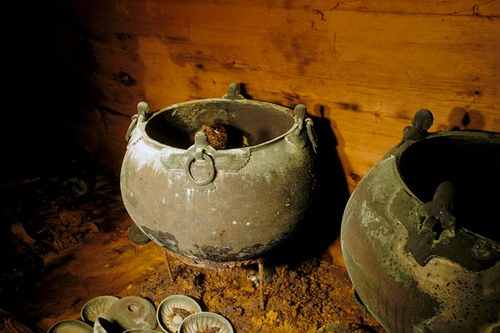 Figure 18a. Cauldron with siren-attachments in burial site, c. 740 BCE. Phyrgian. Gordion, Sakarya River, Turkey. H 51 x D 80 x D at rim, 58.5cm. Penn Museum, PA. Photo © Penn Museum Gordion Project Archives.
| 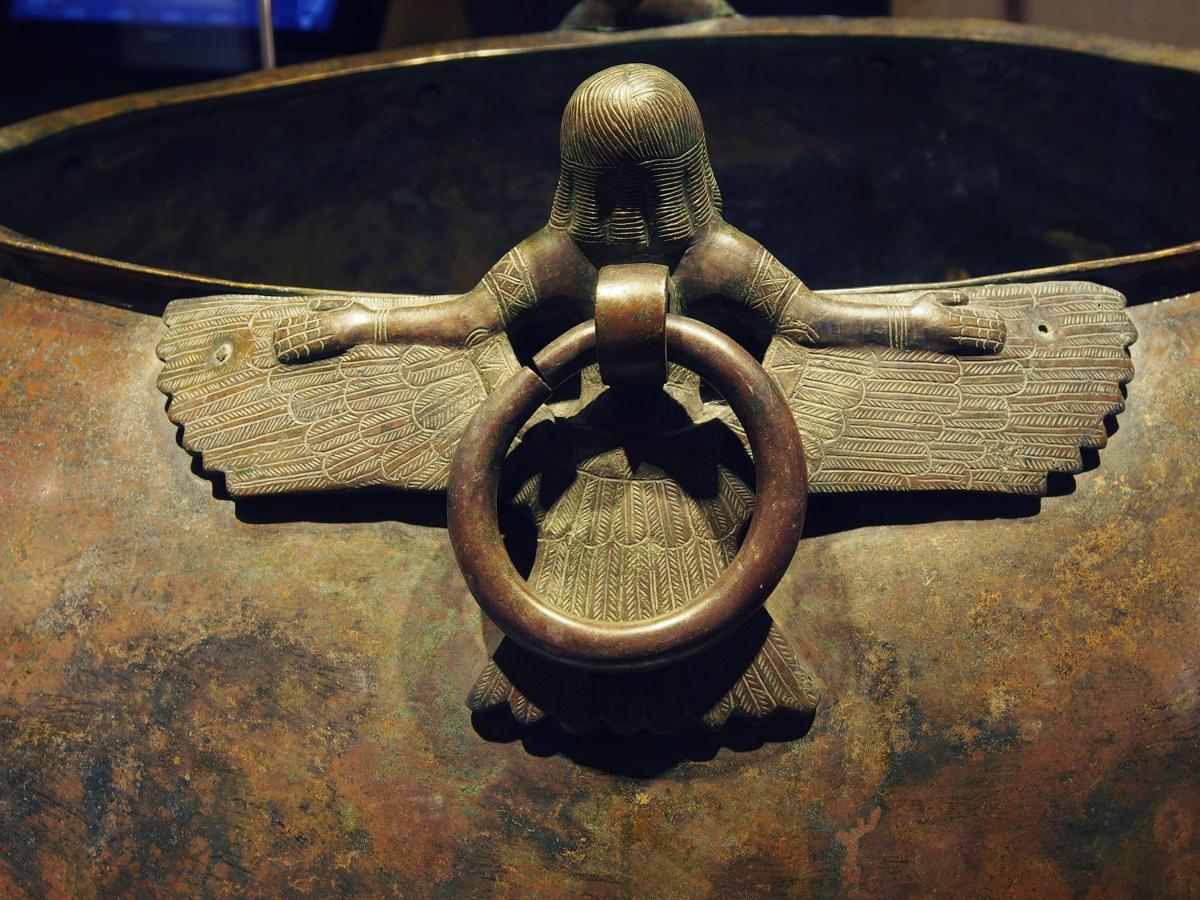 Figure 18b. Detail, siren handle. Photo © Penn Museum Gordion Project Archives. Photo © Penn Museum Gordion Project Archives.
| 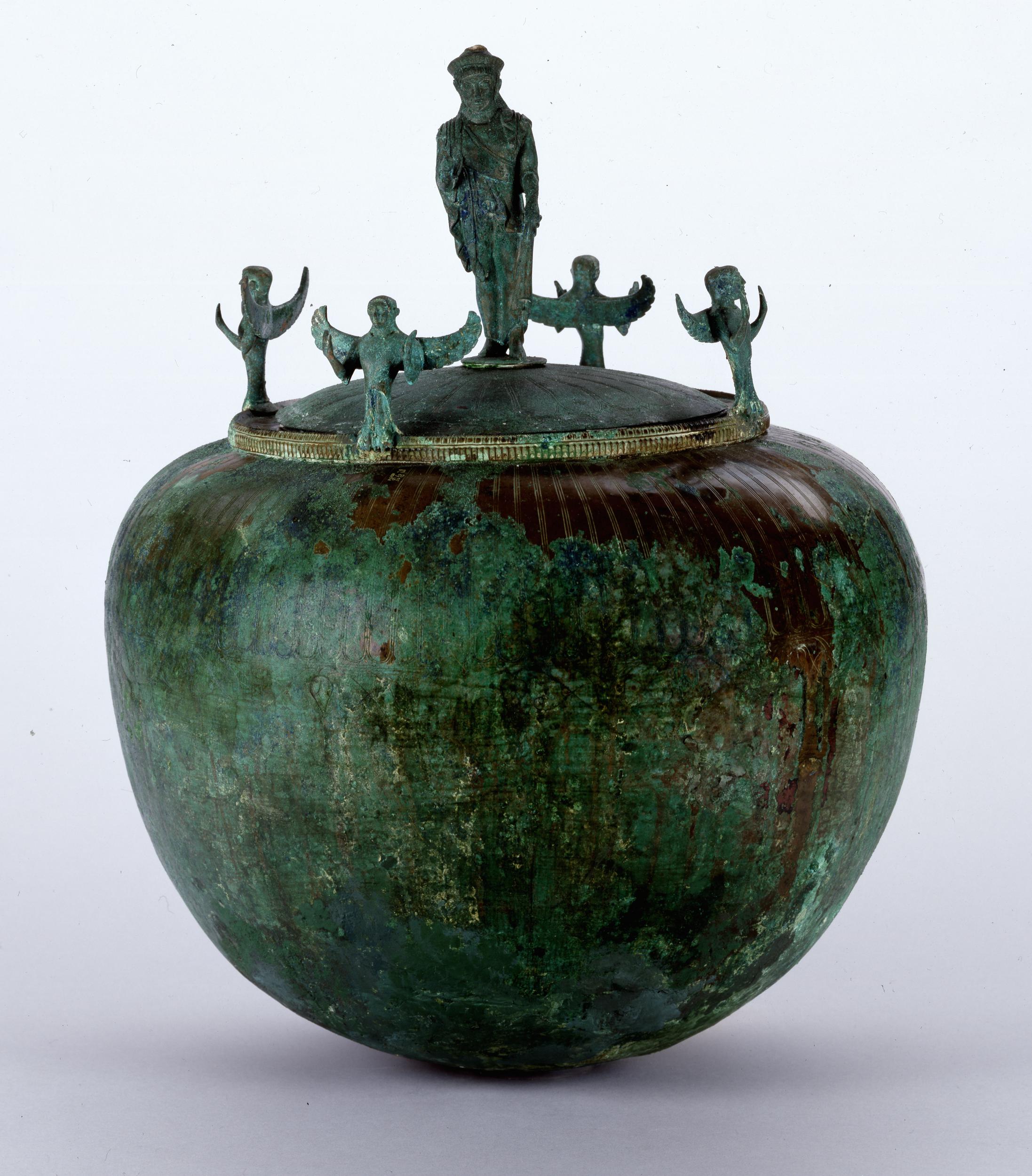 Figure 18c. Sirens and draped woman on rim and lid of cinerary urn. c. 510-490 BCE. Campania, Italy. Bronze. H 39.4 x D 17.9 cm. British Museum, London. Inv. No. 1873,0820.262. Photo: © The Trustees of the British Museum.
|
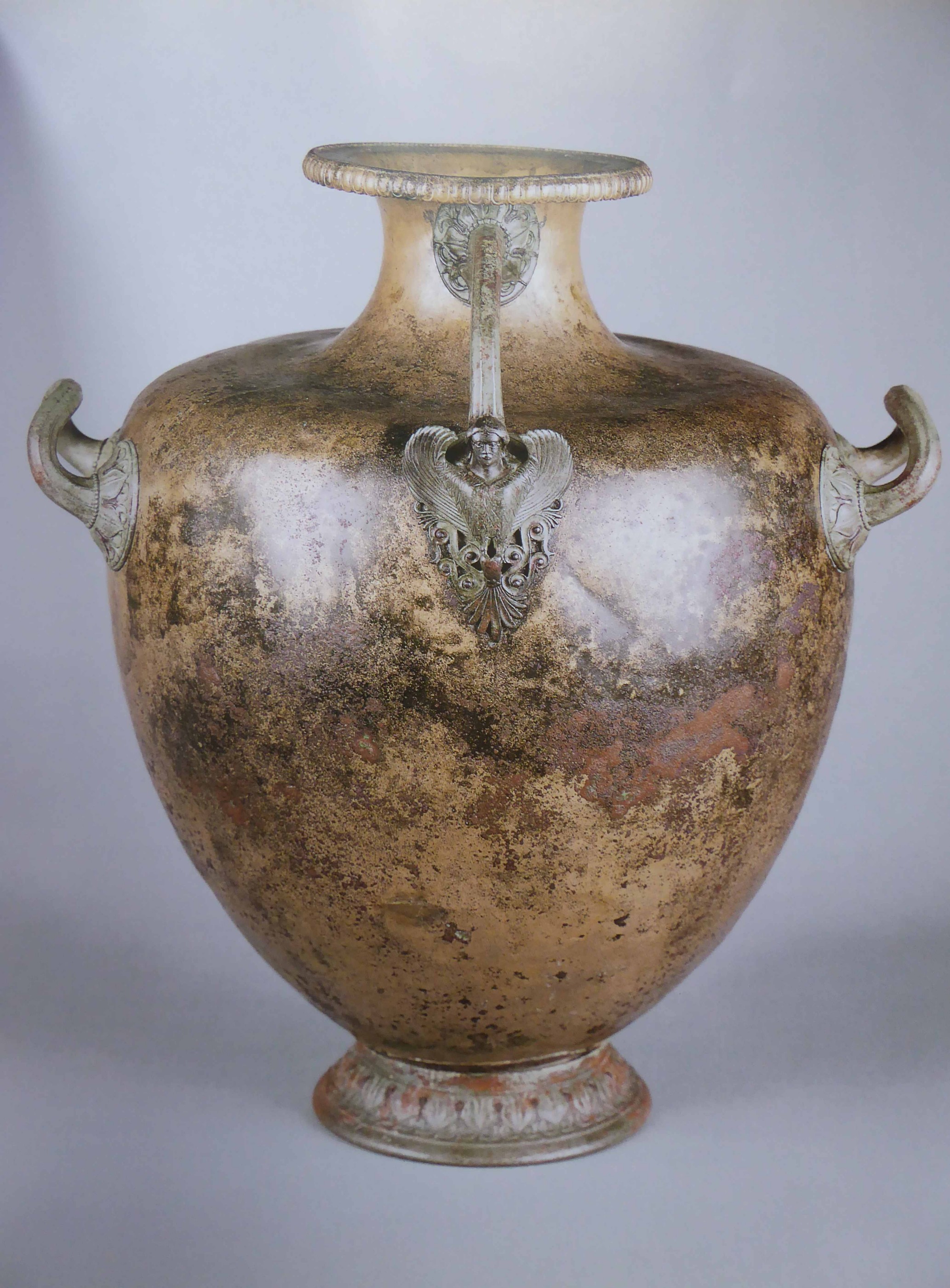 Figure 18d. Siren handles, c. 440-430 BCE. Greece. Bronze hydria with inlaid silver. H 37.8 x C 87; rim D 12.5; base D 12.5cm; Siren H 7.73cm. Private Collection. Photo: Courtesy Princeton University Art Museum (after Padgett et al. 2003: 300-3).
| 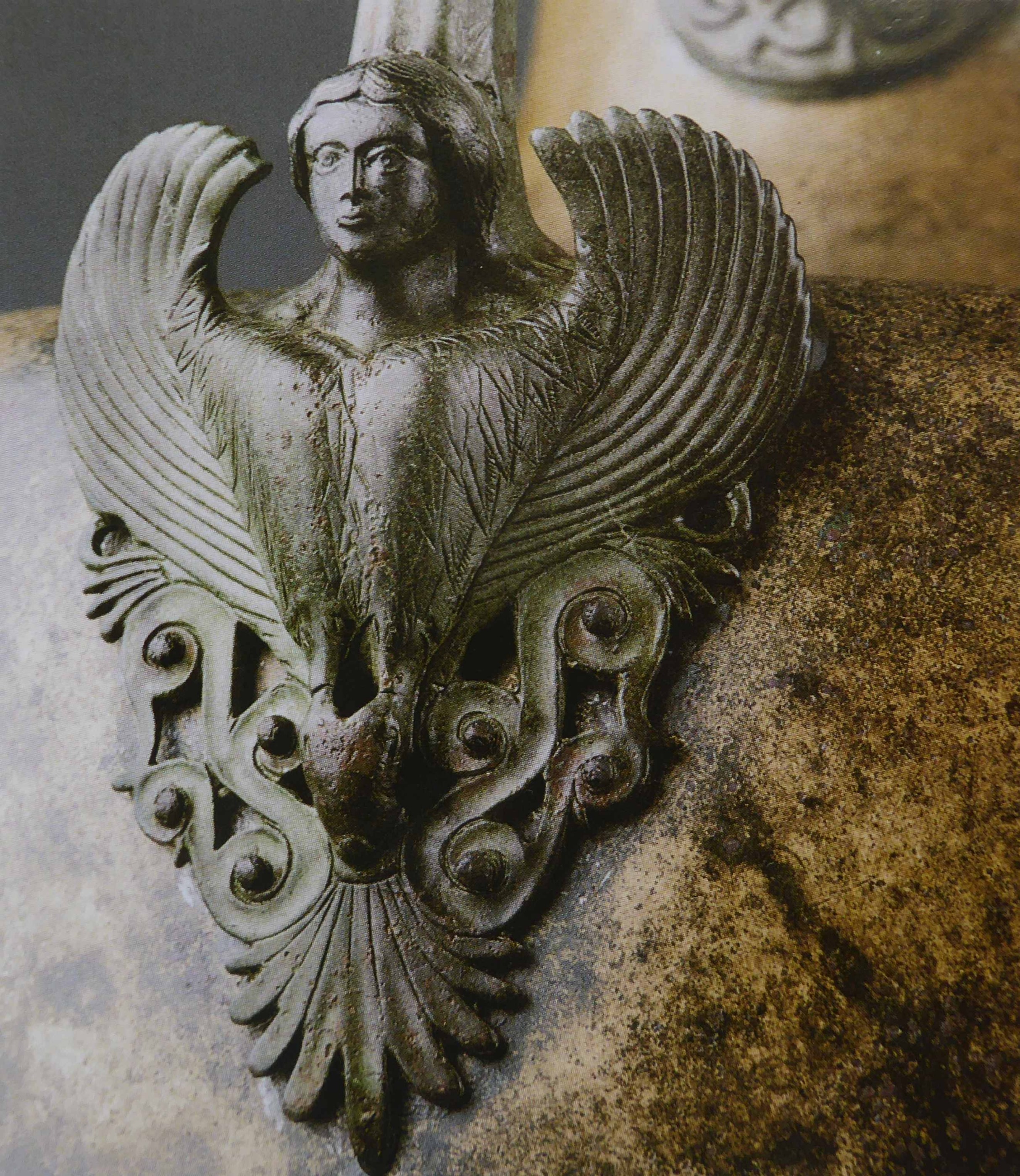 Figure 18e. Detail, siren handle. Photo: Courtesy Princeton University Art Museum (after Padgett et al. 2003: 300-3).
| 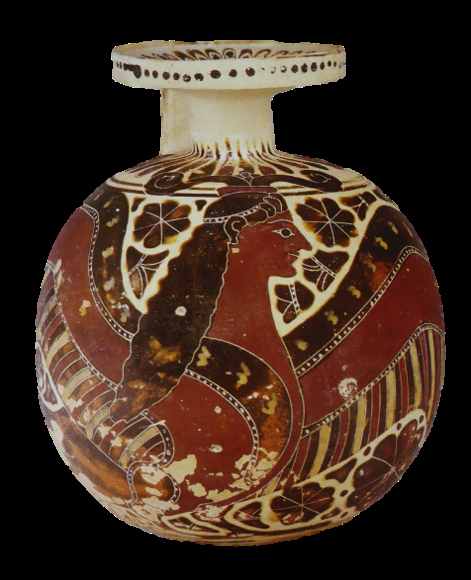 Figure 19a. Siren (attr. Luxus Group), c. 600 BCE. Corinth, Greece. Aryballos. H 18.2cm x D 15.4cm; rim diameter, 8.35cm. Private collection of Mr. and Mrs. Nicholas M. Evans. Photo: Courtesy Princeton University Art Museum (after Padgett et al. 2003: 291-2, cat. 76).
| 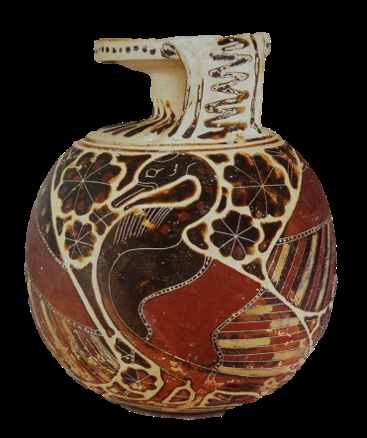 Figure 19b. Reverse: water bird. Photo: Courtesy Princeton University Art Museum (after Padgett et al. 2003: 291-2, cat. 76).
|
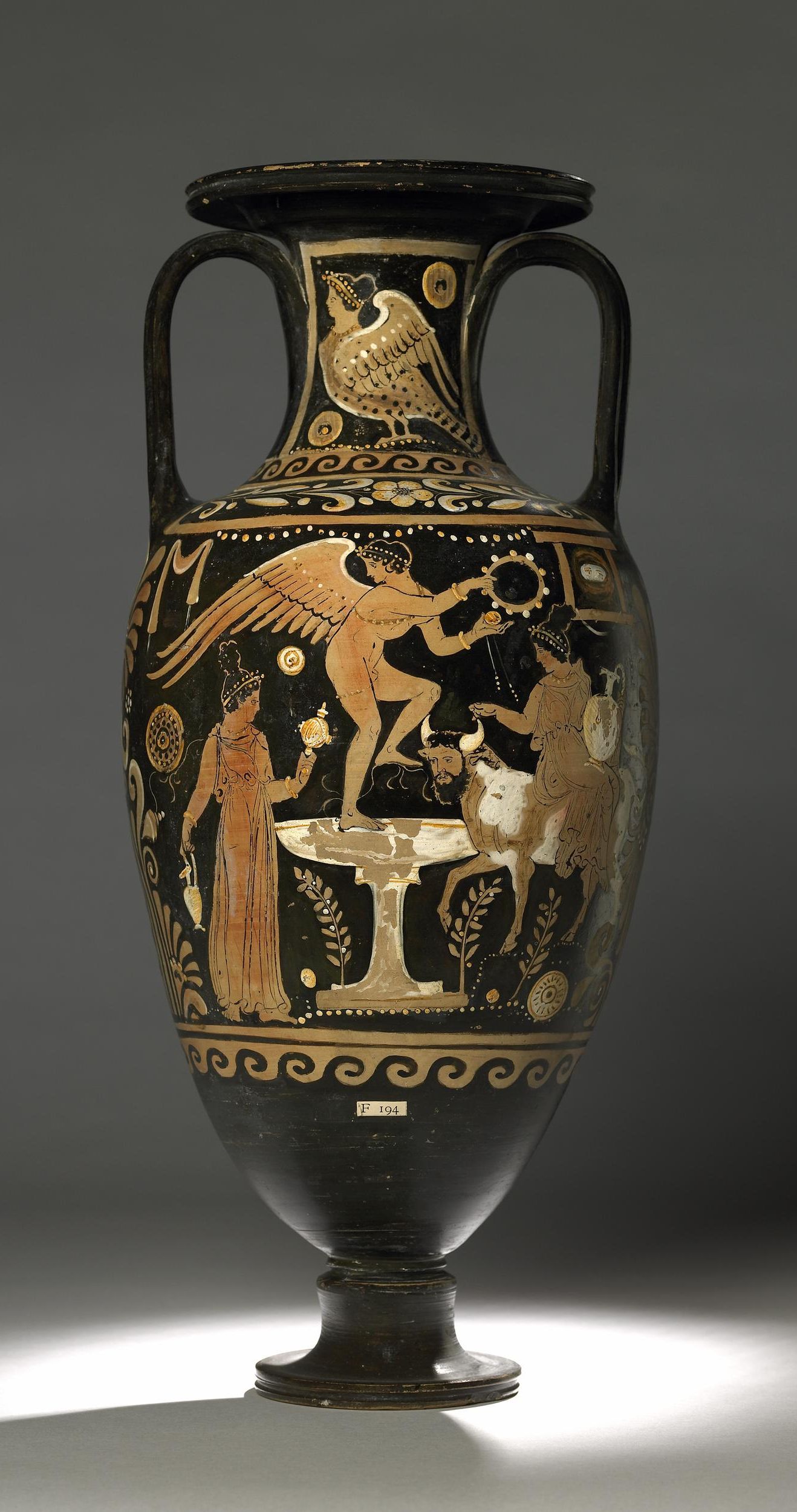 Figure 20a. Danaid Painter, Eros, androcephalous bull, nymphs, fountain, dead face at window, siren above, c. 340-320 BCE. Nola, Campania, Italy. Red-figured neck-amphora. H 43 x W 19.5 cm. British Museum, London. Inv. No. 1867,0508.1311. Photo: © The Trustees of the British Museum.
| 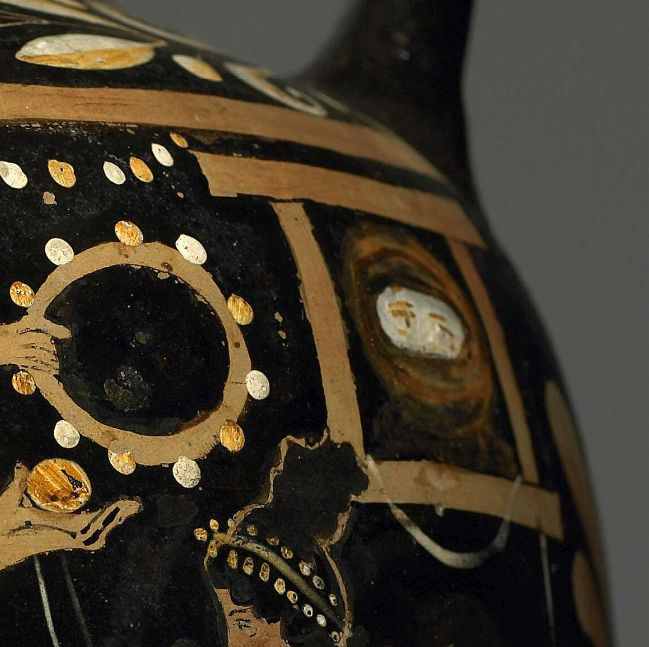 Figure 20b. Detail, dead face at window. Photo: © The Trustees of the British Museum.
| 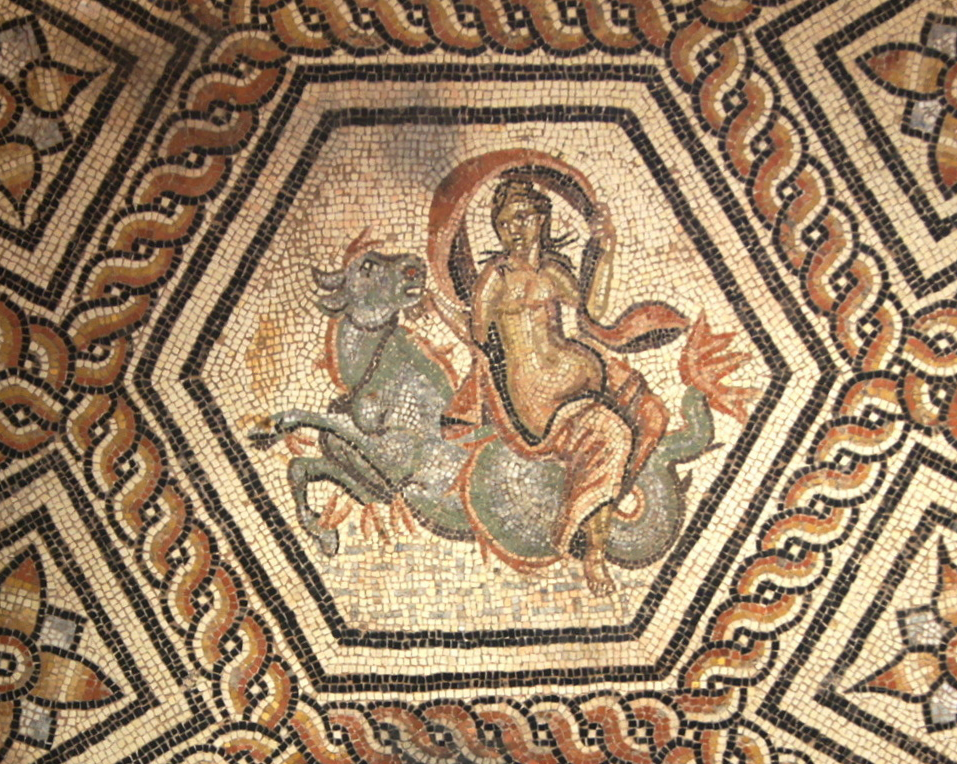 Figure 21a. Detail, Nereid riding a hippocamp. Gallo-Roman. Mosaic. Musée de la Romanité, Nîmes, France. Photo: Rjdeadly/Wikicommons (CC BY-SA 4.0).
| 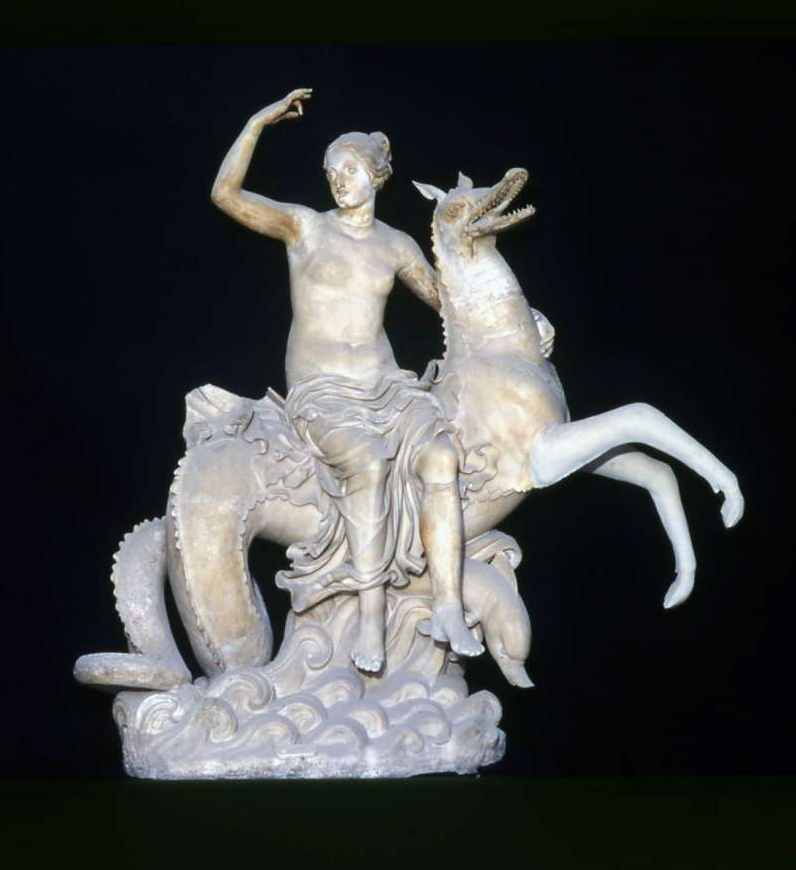 Figure 21b. Nereid riding a ketos [sea-dragon], early 1C. Posillipo, Naples, Italy. Marble. H 132cm. Museo Archeologico Nazionale, Naples. Inv. No. 6026. Photo: Archeologico Nazionale, Naples.
|
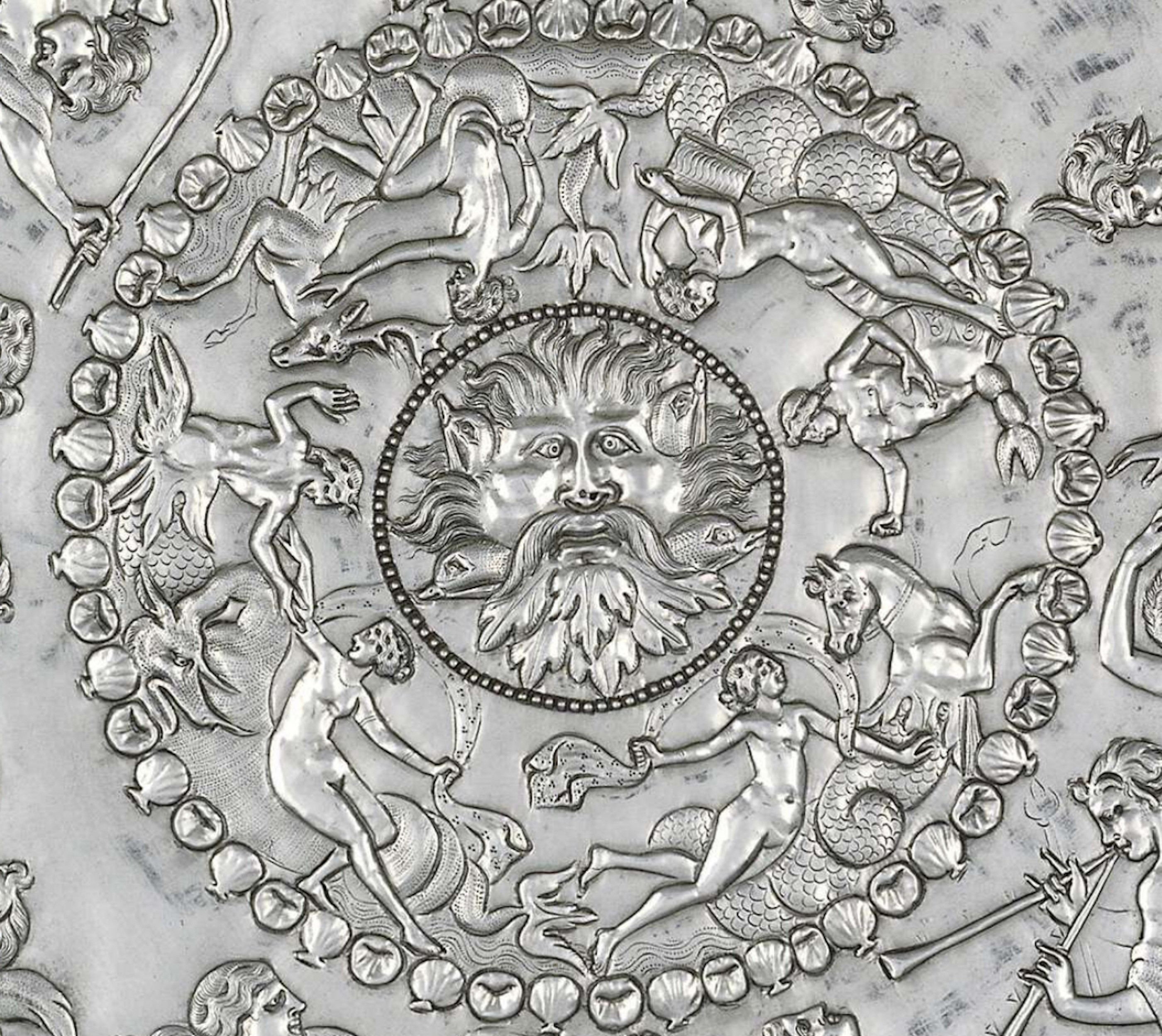 Figure 21c. The Mildenhall Great Dish, detail: Nereids on sea-monsters and hippocampi, 4C. Romano-British. Found in West Row, Suffolk, England. Silver platter. D 60.5 cm. British Museum, London. Inv. No. 1946, 1007.1. Photo: © The Trustees of the British Museum.
| 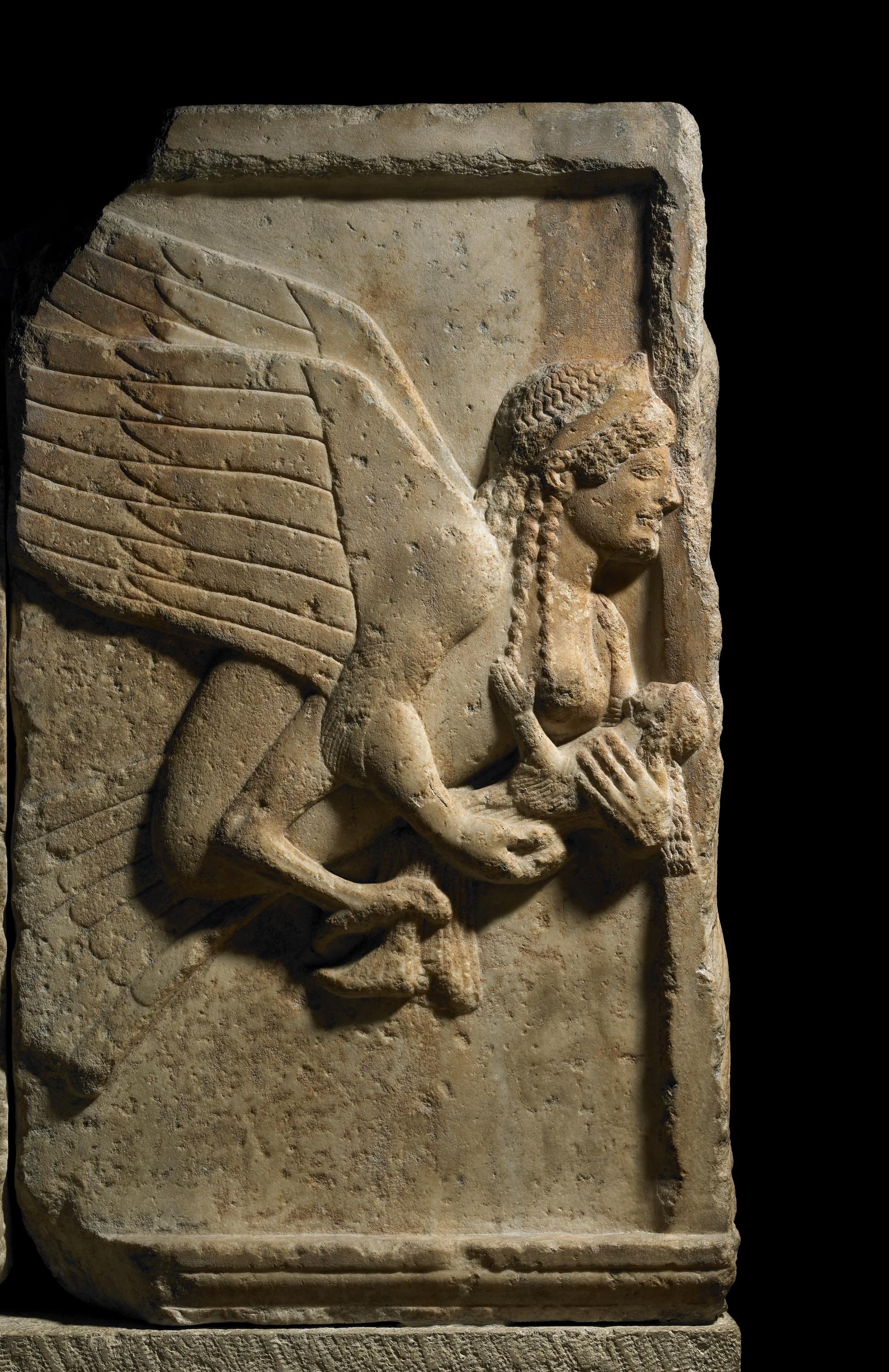 Figure 22a. "Tomb of the Harpies", detail, north side: Siren carrying dead soul, 480-470 BCE. Lycia, Turkey. Marble. H 102.5cm. British Museum, London, inv. no. 1848,1020.1. Photo: © The Trustees of the British Museum.
| 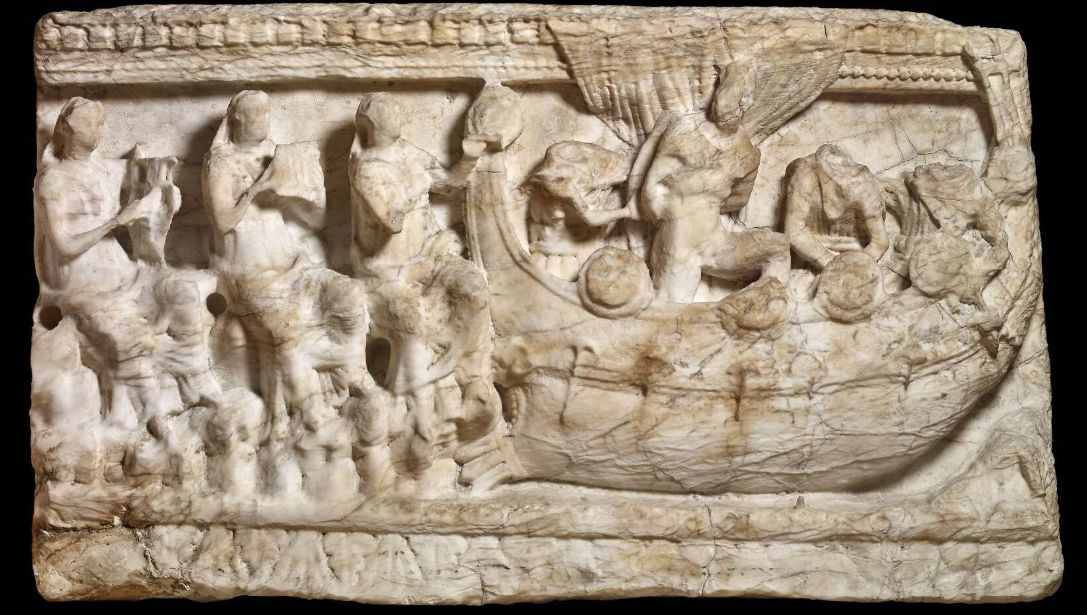 Figure 22b. Odysseus and the sirens, 2C BCE. Etruscan, Volterra, Italy. Stone cinerary sarcophagus. H 45 x L 77.3 x W 24.2 cm. British Museum, London. Inv. No. GR 1849,1201.2. Photo: © The Trustees of the British Museum.
| 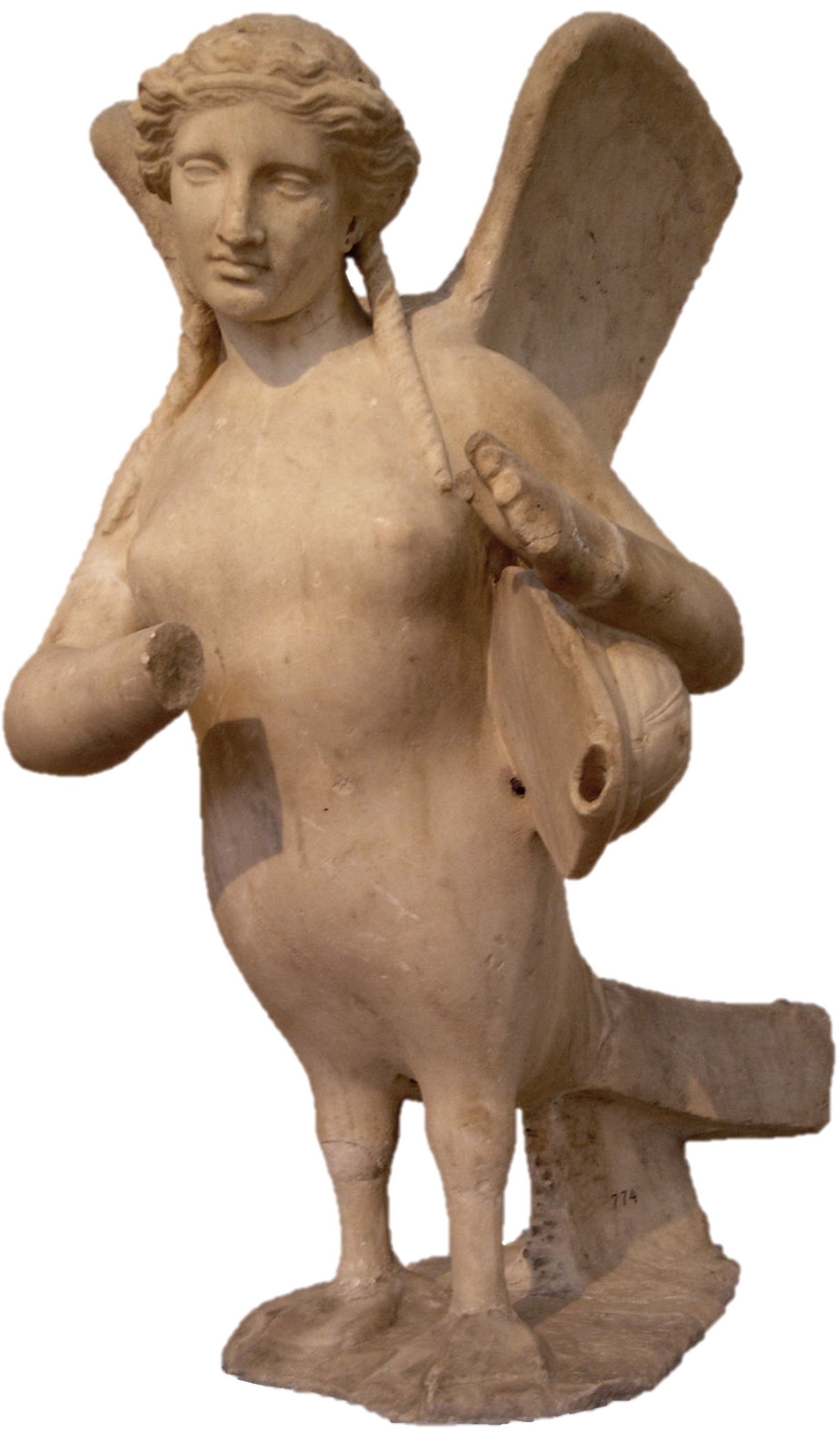 Figure 23a. Mourning Siren with tortoise-shell lyre, c.370 BCE. Athens, Greece. Funerary monument for Dexileo, an Athenian warrior. Pentelic marble. National Archeological Museum, Athens, Greece. Inv. No. 6236. Photo: WikiCommons.
|
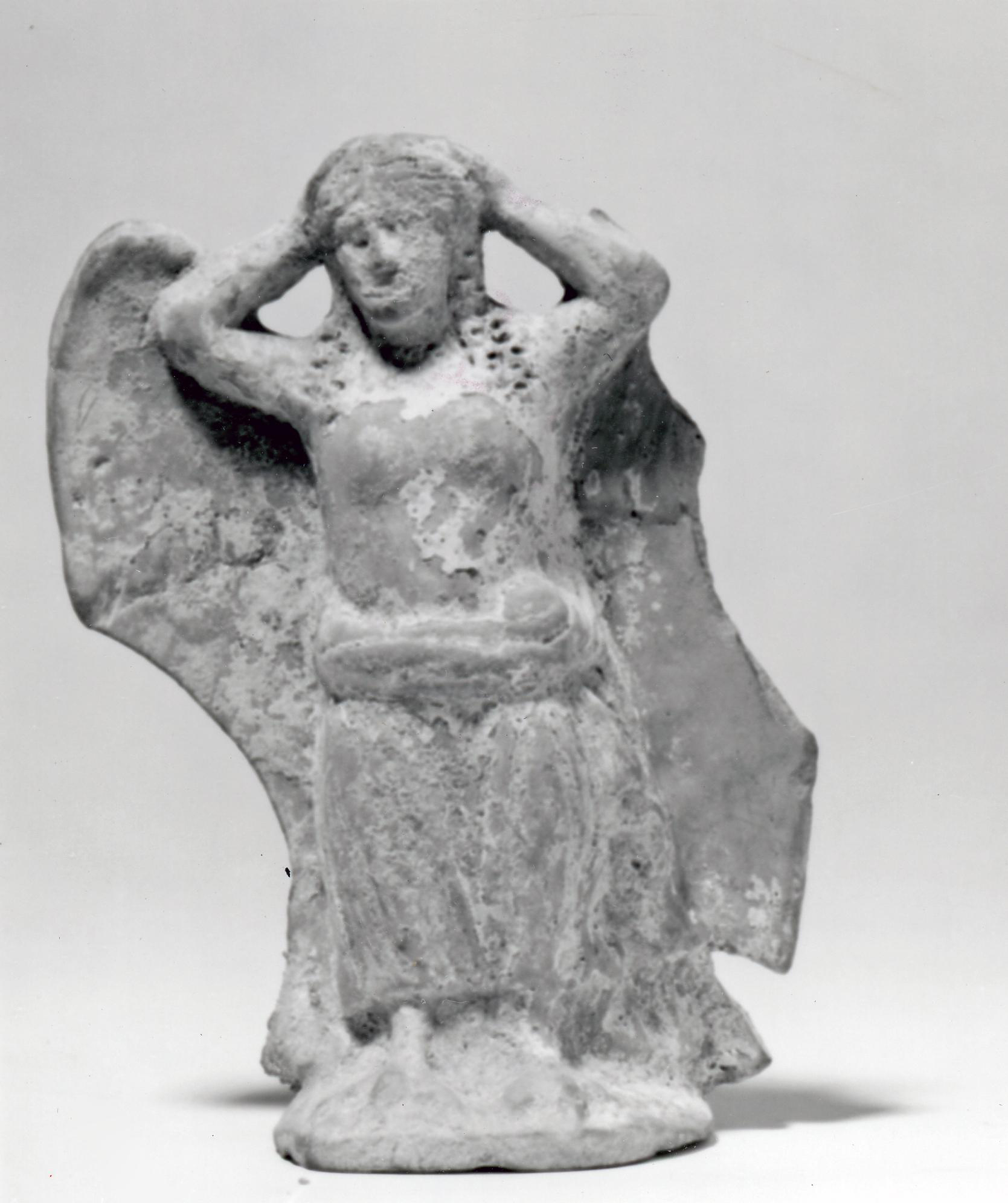 Figure 23b. Mourning siren, c. 350 BCE. Hellenistic. Crete, Greece. Terracotta. H 14.5cm. British Museum, London. Inv. No. 1951,1011.1. Photo: © The Trustees of the British Museum.
| 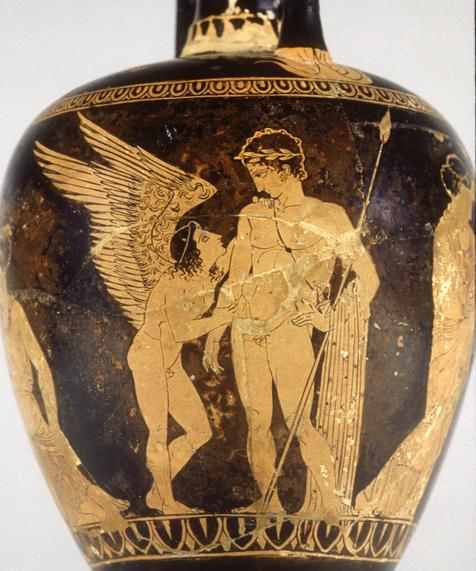 Figure 24. The Heimarmene Painter, Judgement of Paris, with Himeros (labelled) and Paris, c. 430 BCE. Red-figured amphoriskos, H 18 cm. Antikenmuseen, Berlin. Inv. No. 30036. Photo: Maria Daniels, courtesy of Staatliche Museen zu Berlin, Preußischer Kulturbesitz: Antikensammlung.
| 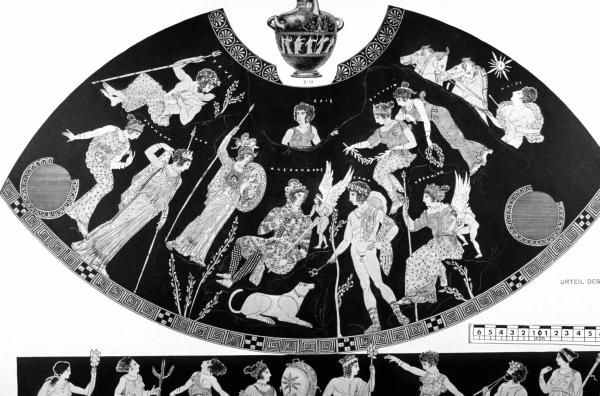 Figure 25. Judgement of Paris with Himeros (labelled) and Eros, c. 450-400 BCE. Greece. Attic red figure amphoriskos. Badisches Landesmuseum, Karlsruhe. Inv. No. B36 259. 220515. Photo: Furtwangler-Reichhold Drawings.
| 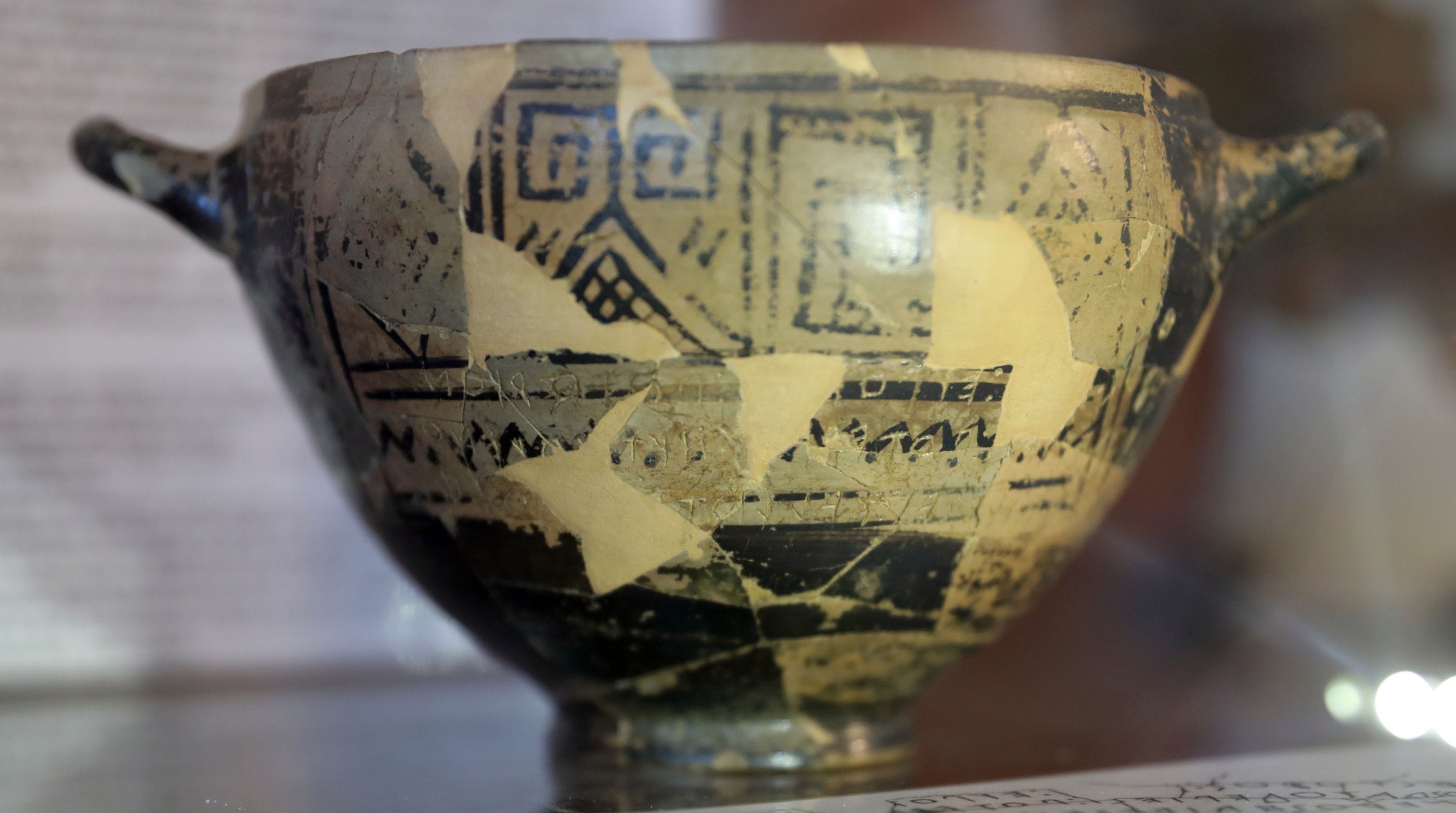 Figure 26a. Nestor’s Cup, c. 750-700 BCE. Pithikoussai, Greece. Kotyle, Geometric Period. H 10.3cm. Villa Arbusto Museum, Lacco Amerno, Ischia, Italy. Photo: Marcus Cyron/WikiCommons (CC-BY-4.0).
|
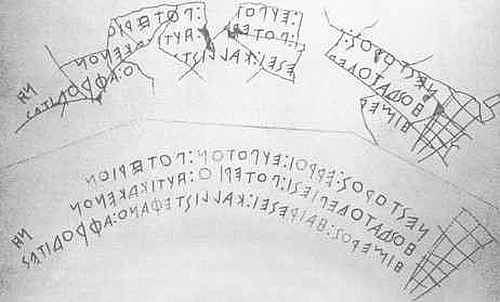 Figure 26b. Nestor's Cup, inscription. Drawing: after Buchner & Russo (1956: 96).
| 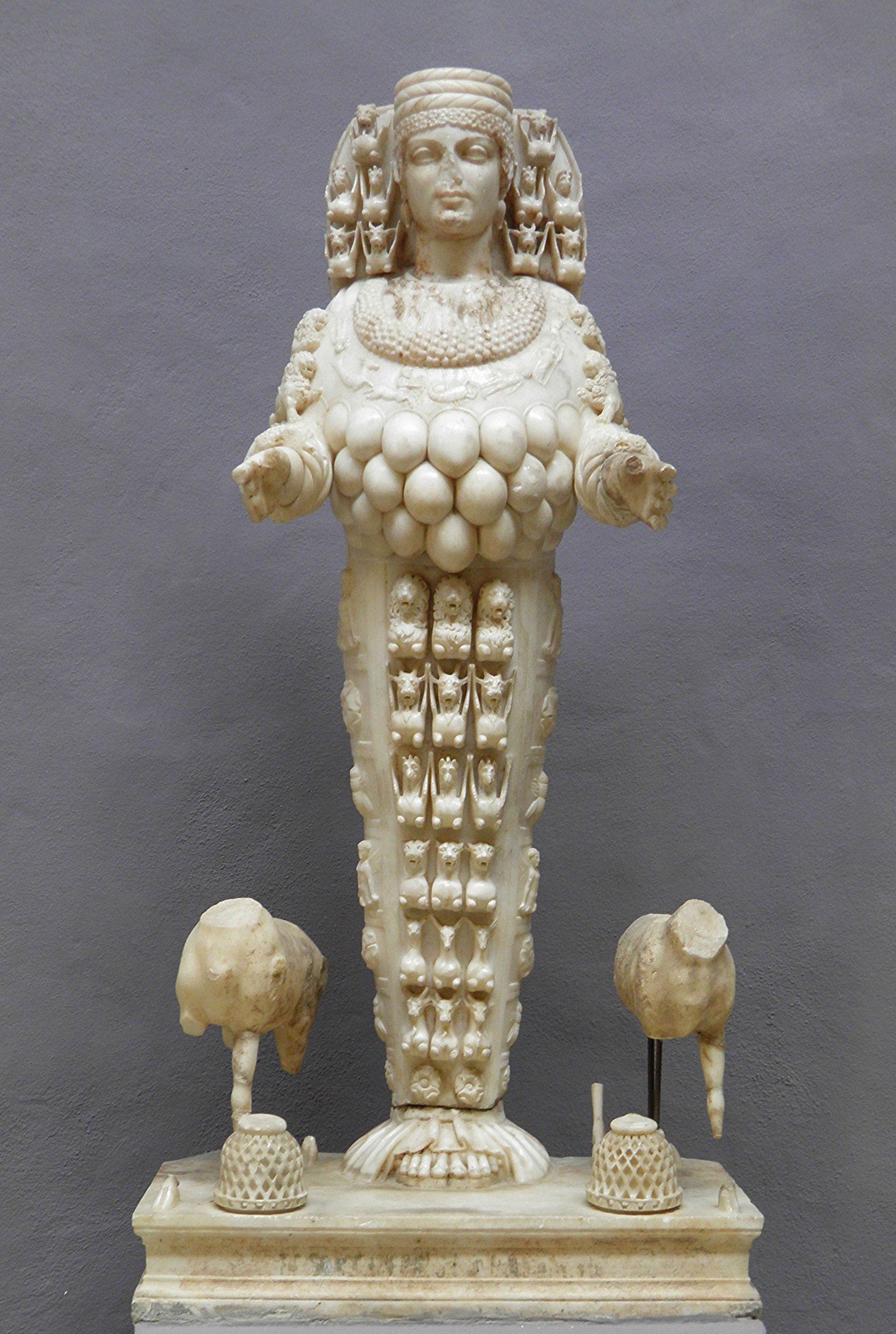 Figure 27a. Ephesian Artemis, 125-175 CE. Ephesus, Turkey. Stone. H 174.5 cm. Ephesus Museum, Selçuk, Turkey. Inv. No. 718. Photo: Carole Raddato/WikiCommons.
| 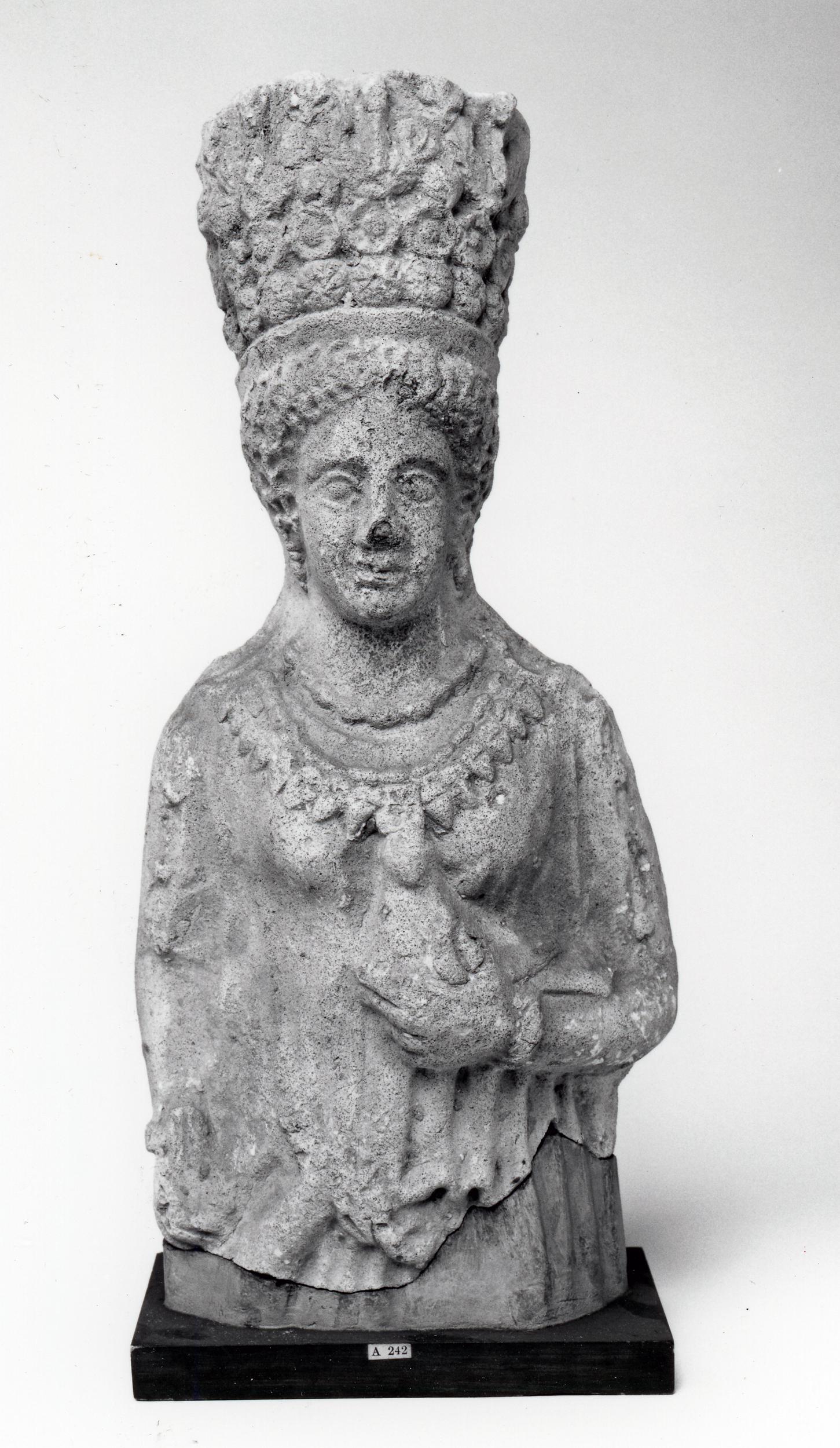 Figure 27b. Artemis wearing kalathos [headdress] with sirens, 400-200 BCE. Hellenistic. Achna, Famagusta, Cyprus. Terracotta. H 32cm. British Museum, London. Inv. No. 1883, 0106.4. Photo: © The Trustees of the British Museum.
| 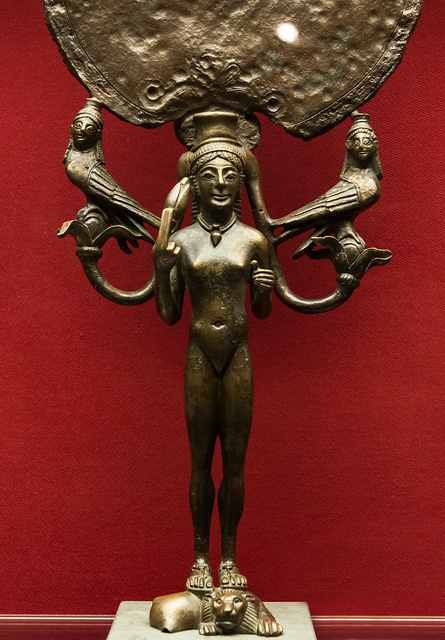 Figure 27c. Goddess (Artemis?) wearing headdress, holding a siren in each hand, 550 BCE. Archaic Greece. Bronze. Staatliche Antikensammlungen, Munich. Inv. No. 3Hc.003b. Photo: Egisto Sani.
|
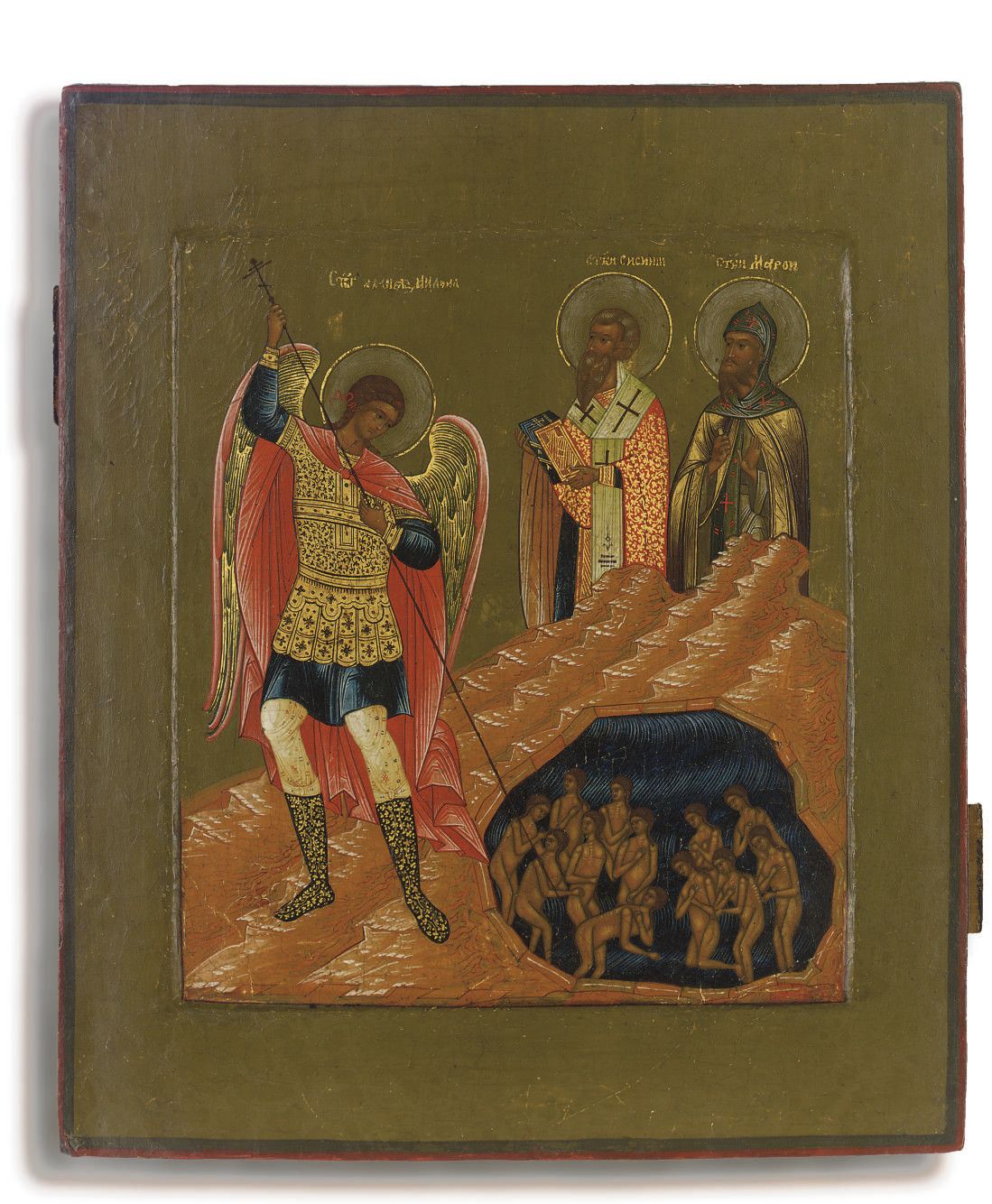 Figure 28a. St. Sisinnius and female water-demons, 19C. Russian. Tempera & gold leaf on panel. 31 x 26.7 cm. Private Collection. Photo: Christie’s Inc.
| 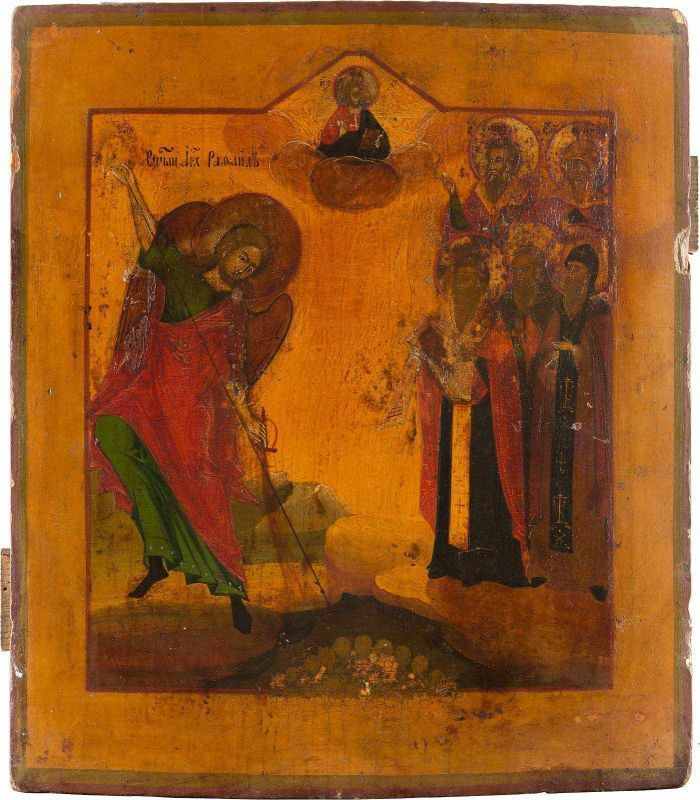 Figure 28b. St. Sisinnius attending the miracle of Archangel Michael and the twelve water demons, 18C. Russian. Tempera on panel. 34.8 x 31 cm. Private Collection. Photo: Hargesheimer und Gunther Inc., 2016.
| 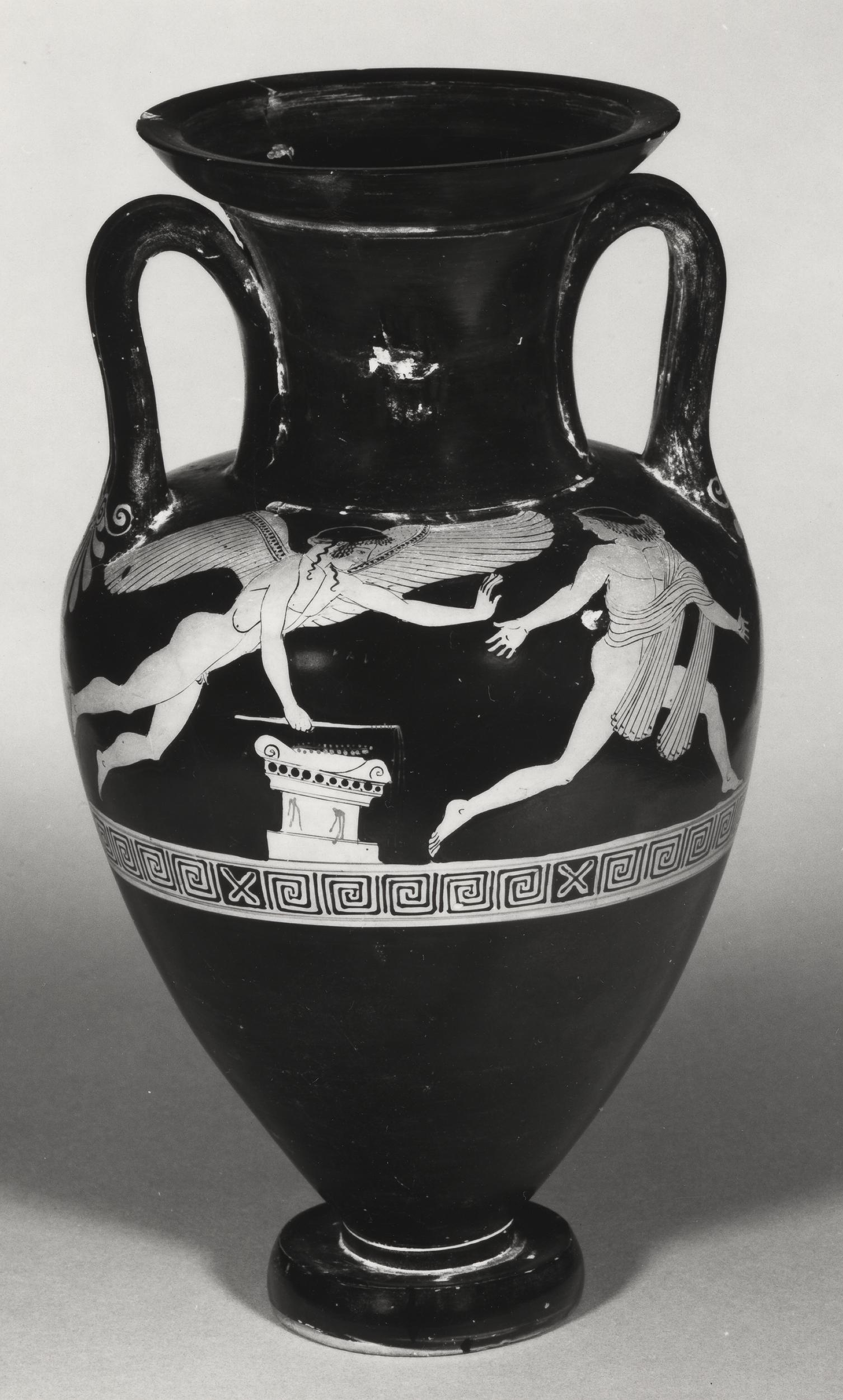 Figure 29a. Oionokles Painter, Eros-figure with a whip, c. 470 BCE. Attica, Greece. Red-figure neck-amphora. H 33 cm. British Museum, London. Inv. No.1867,0508.1057. Photo: © The Trustees of the British Museum.
| 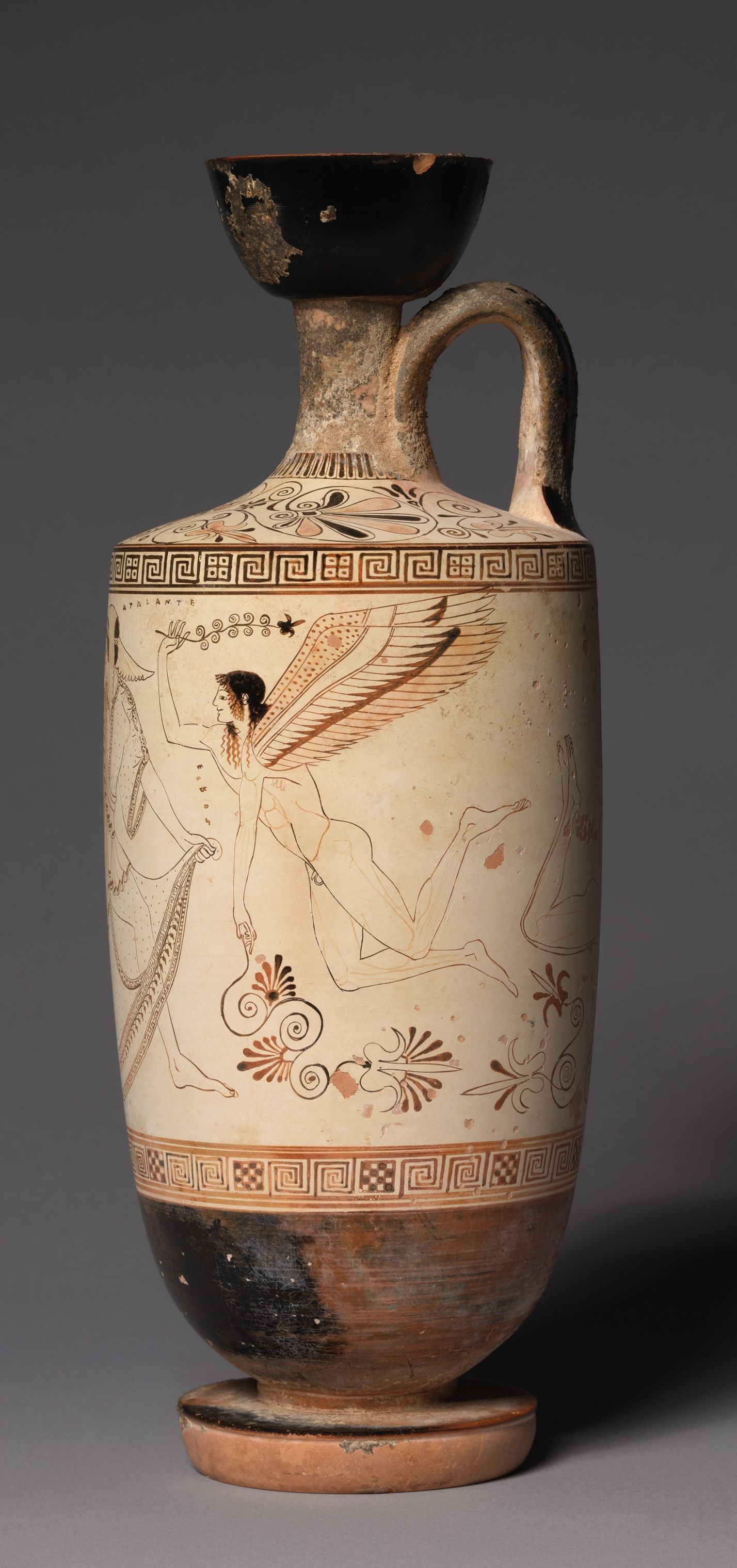 Figure 29b. Douris painter, Atalanta and Eros-figure, originally holding whip, “restored” into flower, 500-490 BC. Attica, Greece. White-ground lekythos. H 31.8 cm. The Cleveland Museum of Art, Cleveland, OH. Leonard C. Hanna, Jr. Fund. Inv. No. 1966.114. Photo: Cleveland Museum of Art.
|
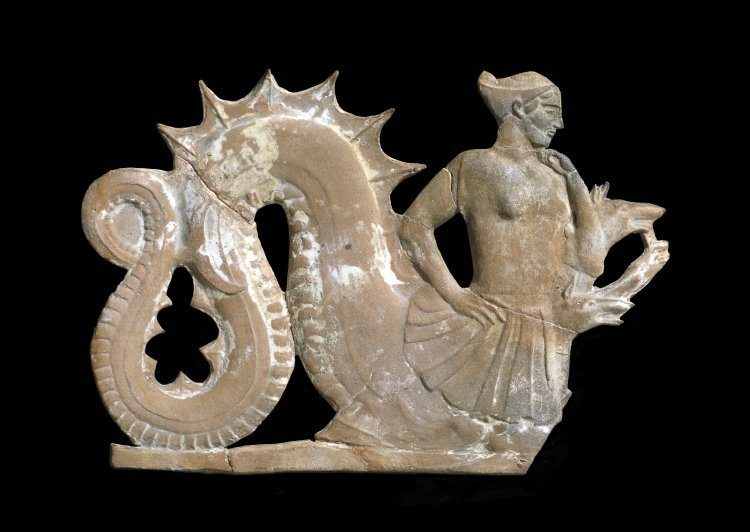 Figure 30a. Scylla, c. 450 BCE. Aegina, made in Cyclades (?). Terracotta votive plaque. H 12.5 cm. British Museum, London. Inv. No. 1867,0508.673. Photo: © Trustees of the British Museum.
| 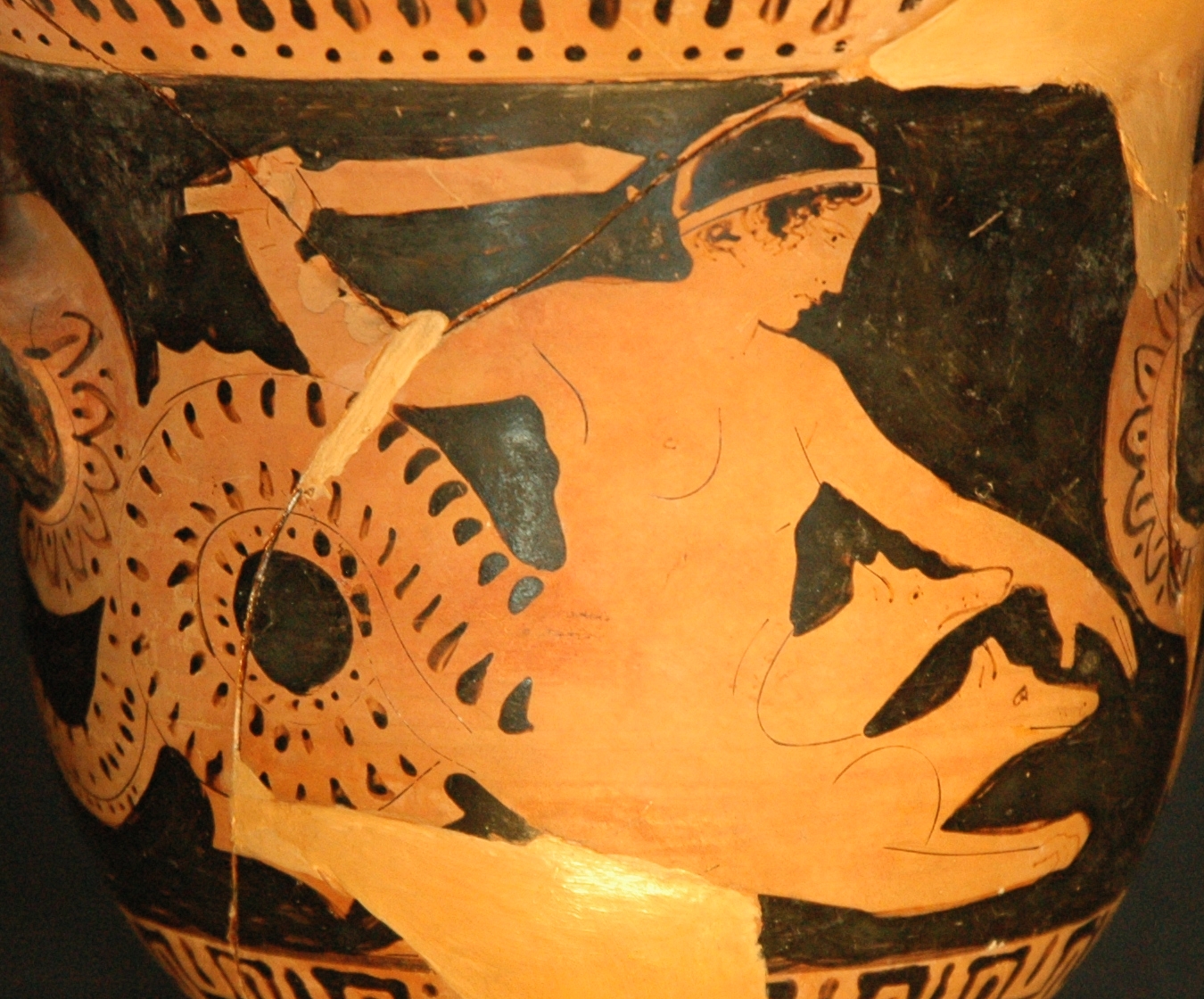 Figure 30b. Scylla, c. 450-25 BCE. Boeotia, Greece. Detail, side A, red-figure bell-crater. 22.5 x 20 cm. Musée de Louvre, Paris. Inv. No. CA 1341. Photo: RMN/Gallica.
| 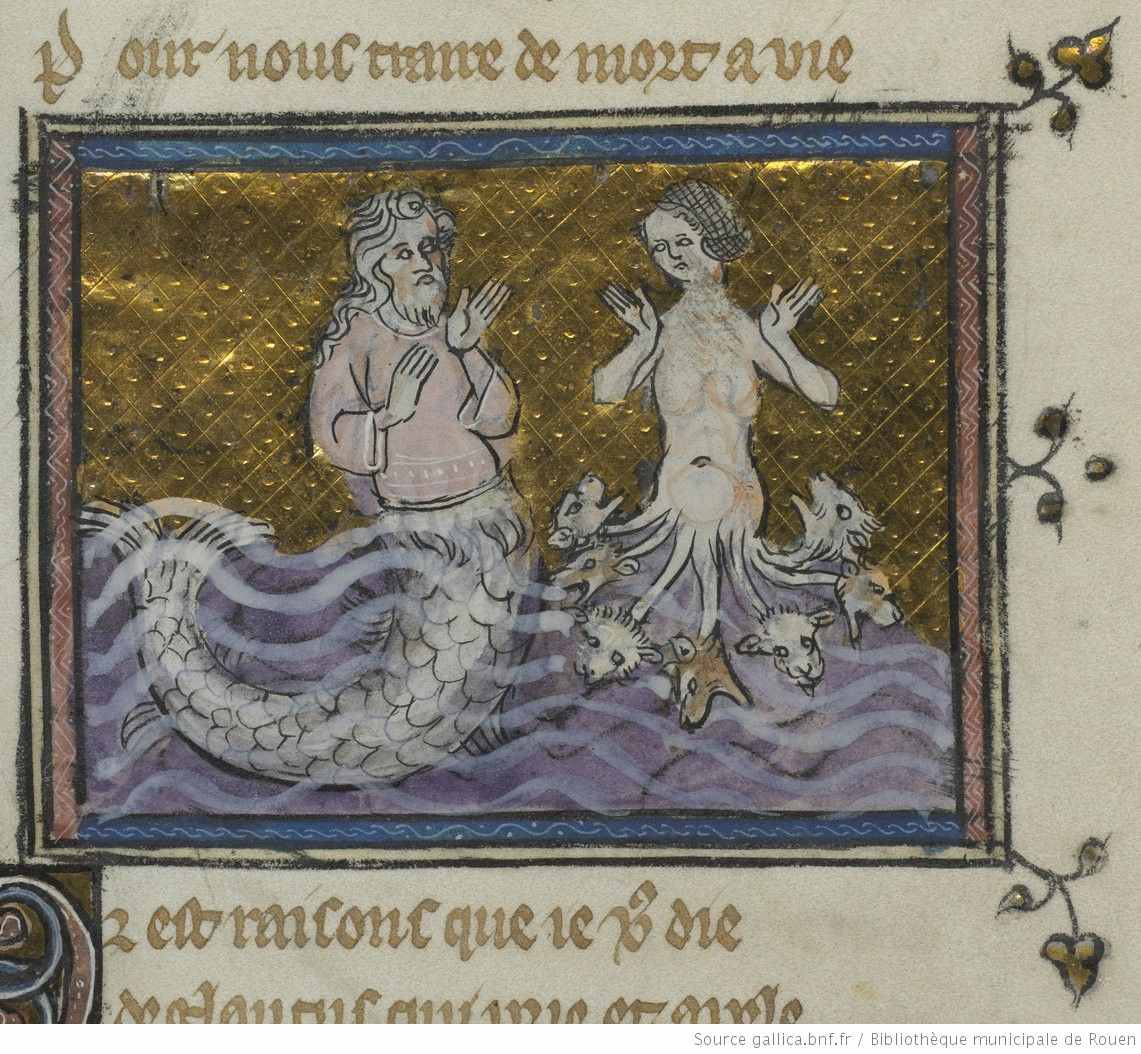 Figure 30c. Glaucus and Scylla after their metamorphoses, 1325. In: Chrètien Legouais, Ovid Moralisé, MS 04 fol. 351. Pen, paint & gold leaf on parchment. 6 x 6.5 cm. Bibliothèque Municipale de Rouen, Rouen. Photo: RMN/Gallica.
| 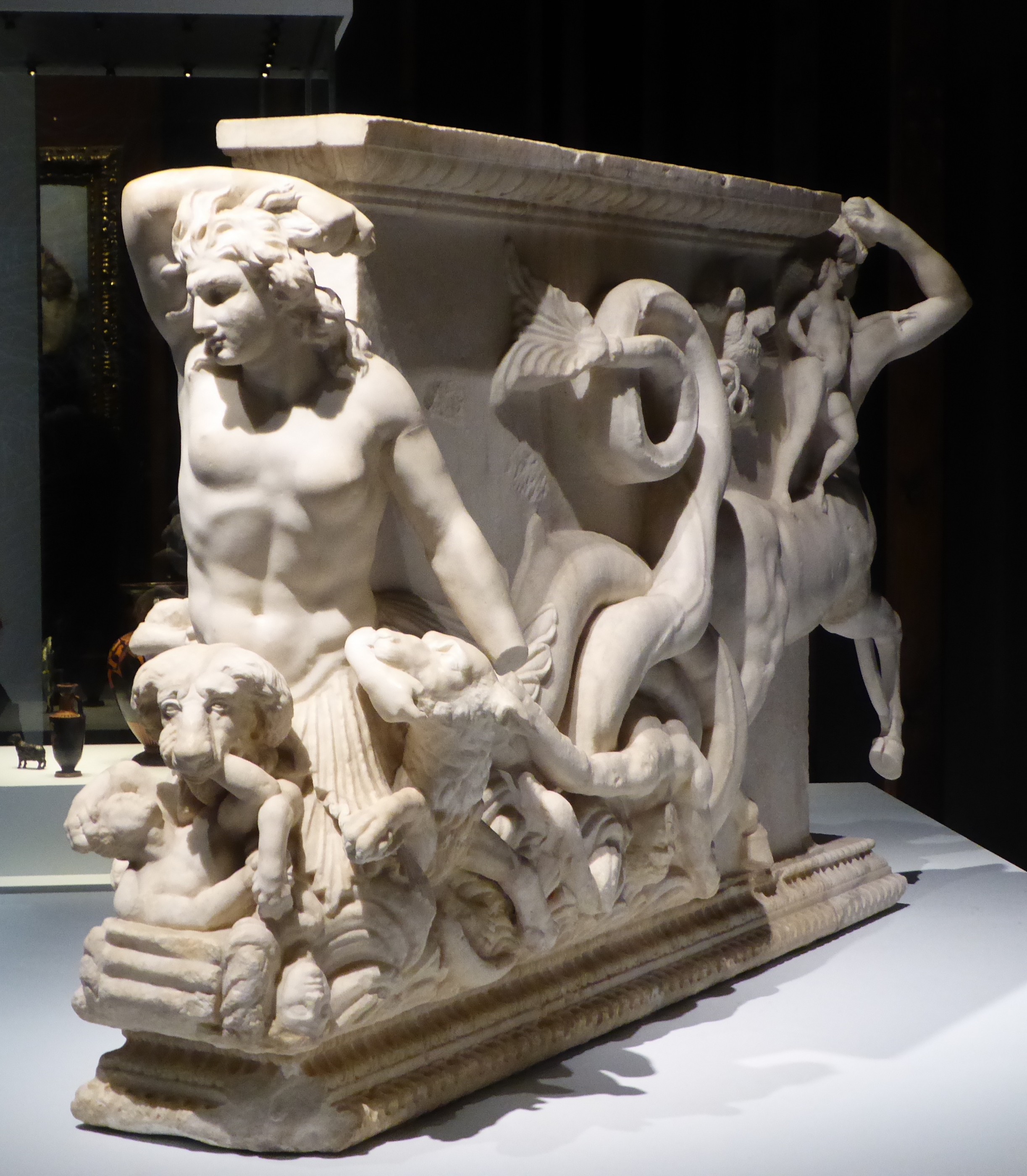 Figure 31a. Scylla and centaur, with Eros, bird and snake, mid-2C. Italy. Roman trapezoforo [table support]. probably copy after lost Hellenistic original. Marble. H 1.04 x L: 1.6 m. Collezione Farnese, Museo Archeologico Nazionale, Naples. Photo: Author.
|
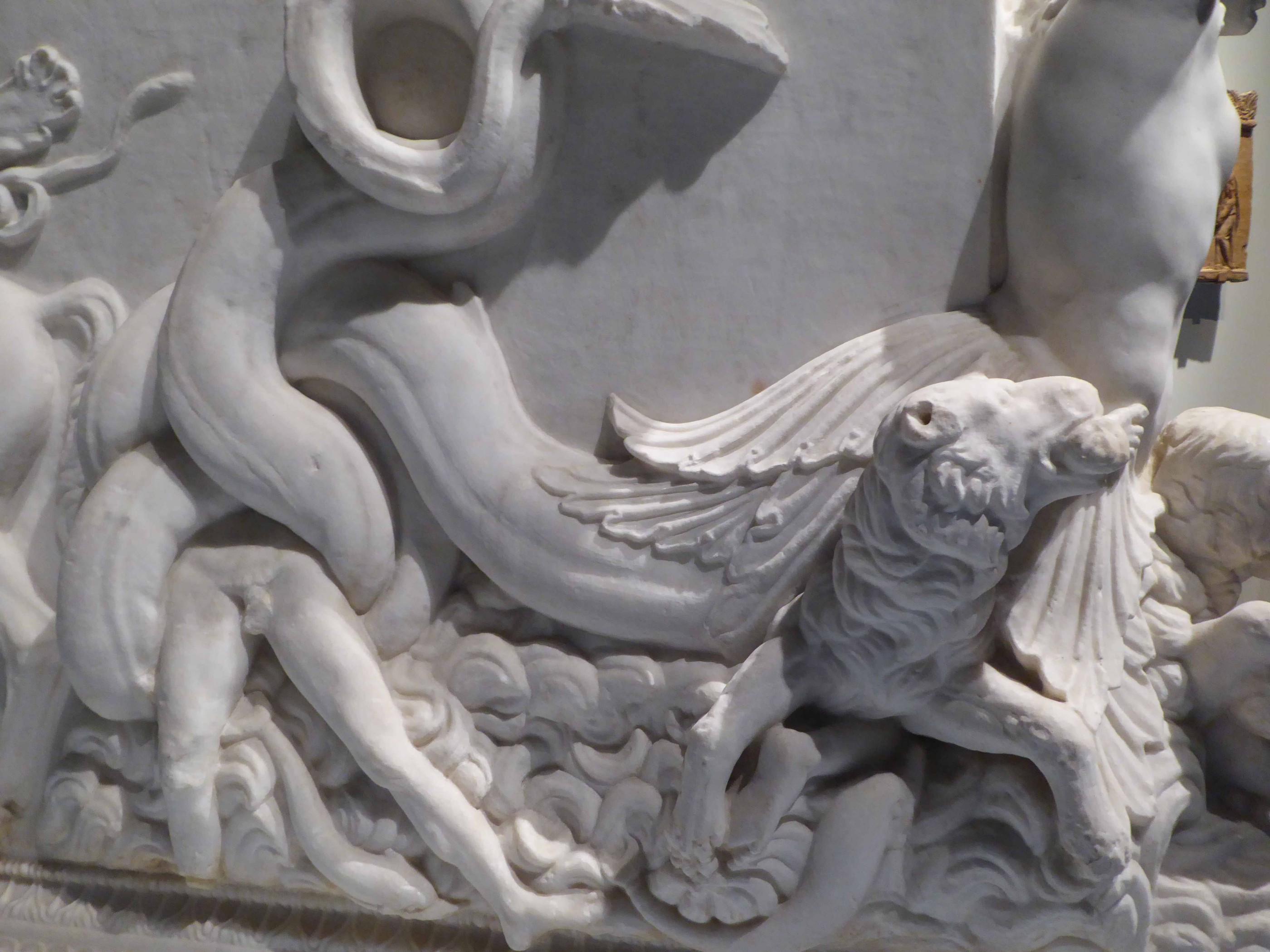 Figure 31b. Detail, Scylla killing sailors. Photo: Author.
| 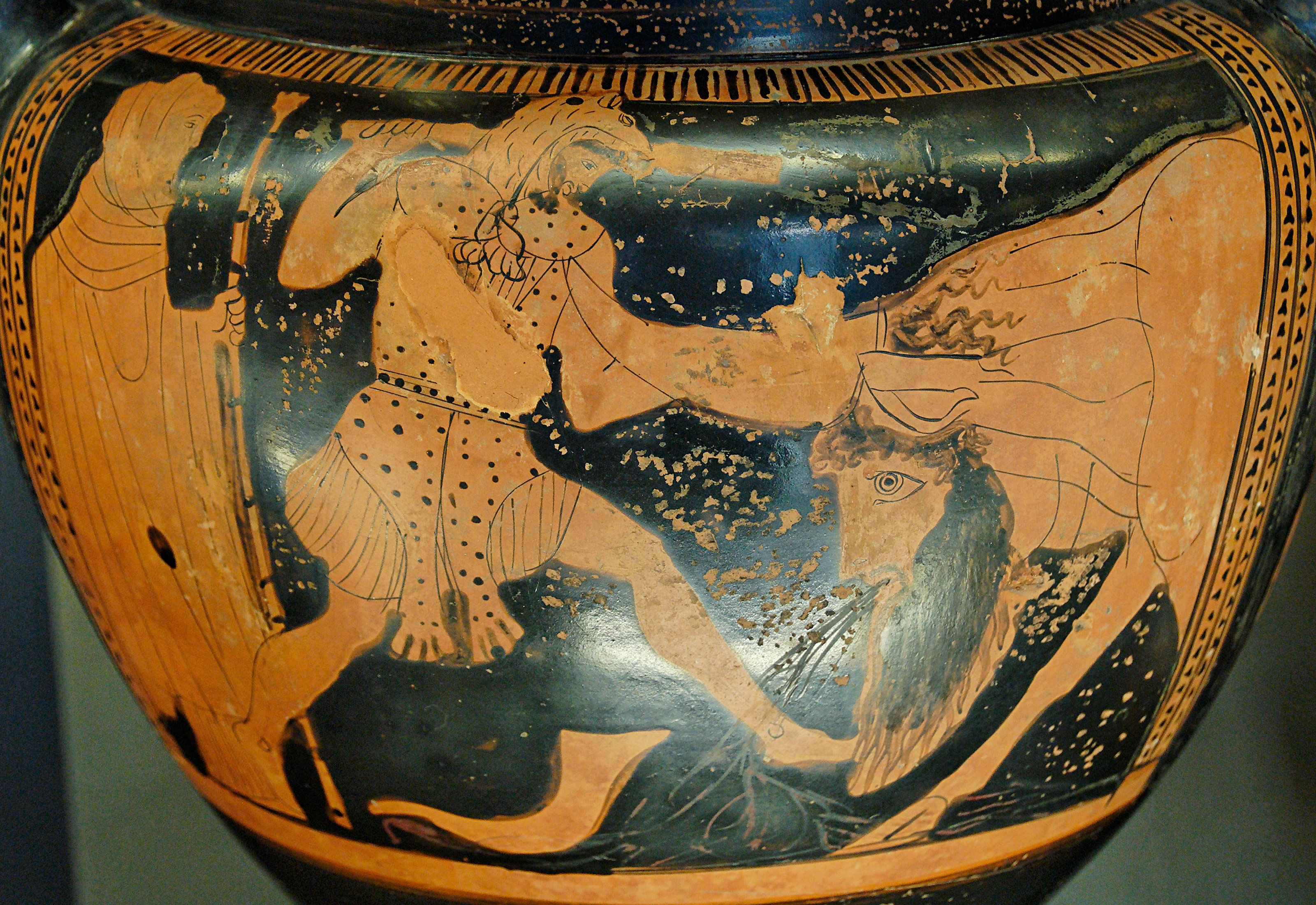 Figure 32a. Acheloos as androcephalous bull, fighting Herakles, his broken horn on the ground, c. 475-425 BCE. Greece. Red figure column krater. H 38.5 cm. Musée de Louvre, Paris. Inv. No. G365. Photo: RMN-Grand Palais/Les frères Chuzeville.
| 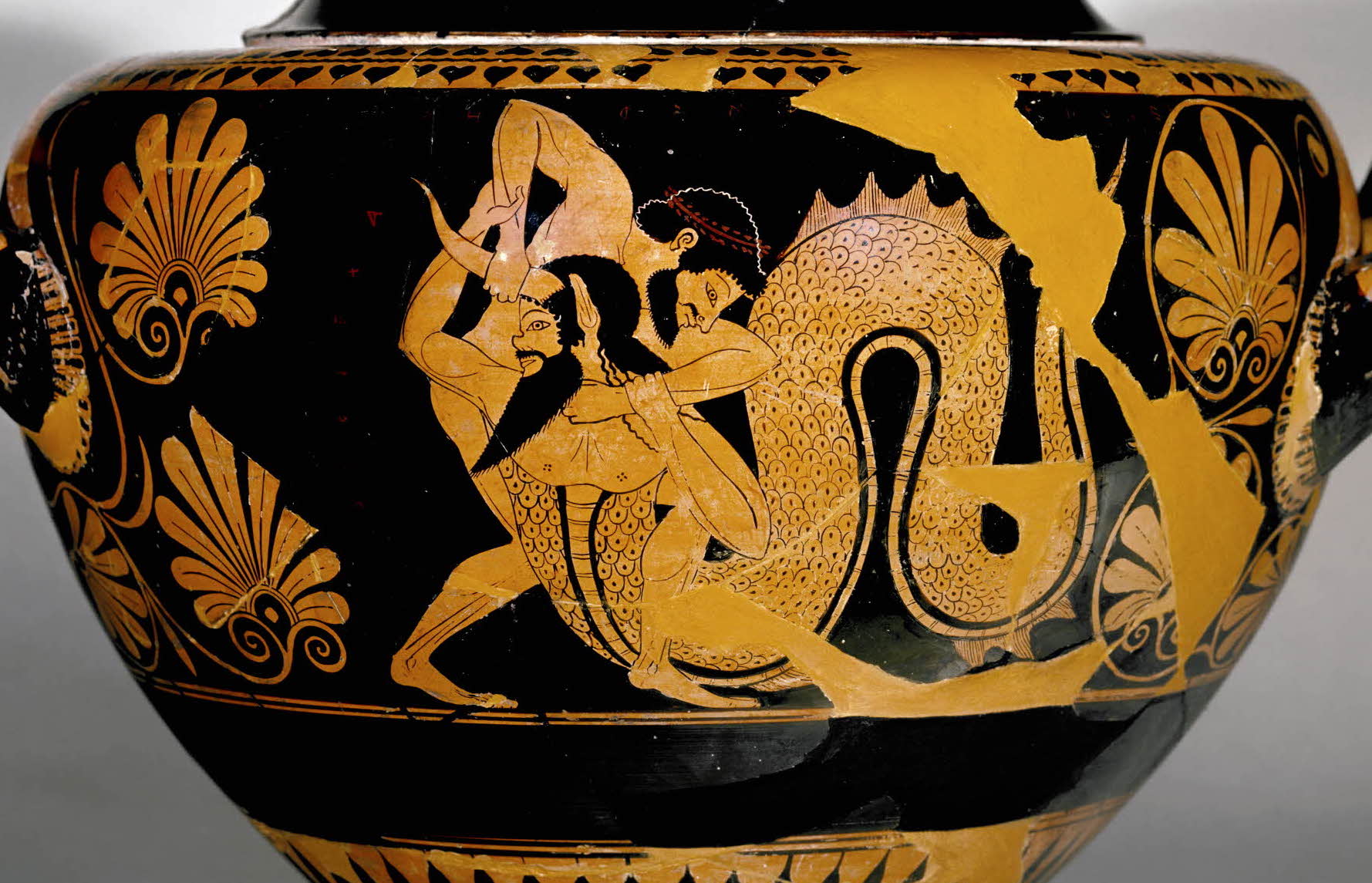 Figure 32b. Acheloos as androcephalous water-monster fighting Herakles, who grips him by the horn, 530-500 BCE. Oltos, Attica. Red figure stamnos. British Museum, London. Inv. No. 1839,0214.70. Photo: © The Trustees of the British Museum.
| 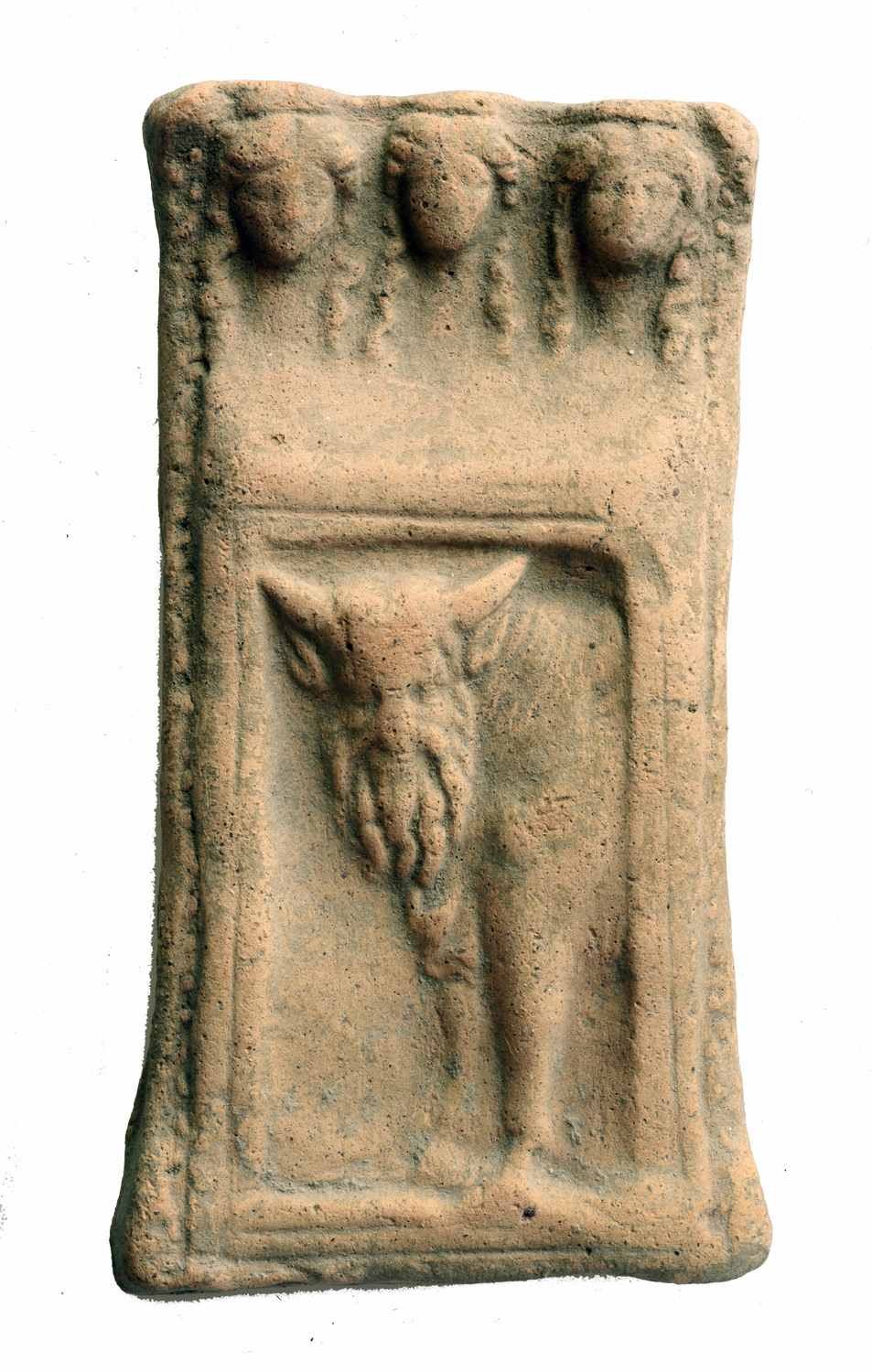 Figure 32c. Triple herm with androcephalous bull river god (Acheloos?). Caruso cave, Locri, Italy. Stone. Museo di Reggio Calabria, Regio Calabria RC, Italy. Photo: Museo di Reggio Calabria, Regio Calabria.
|
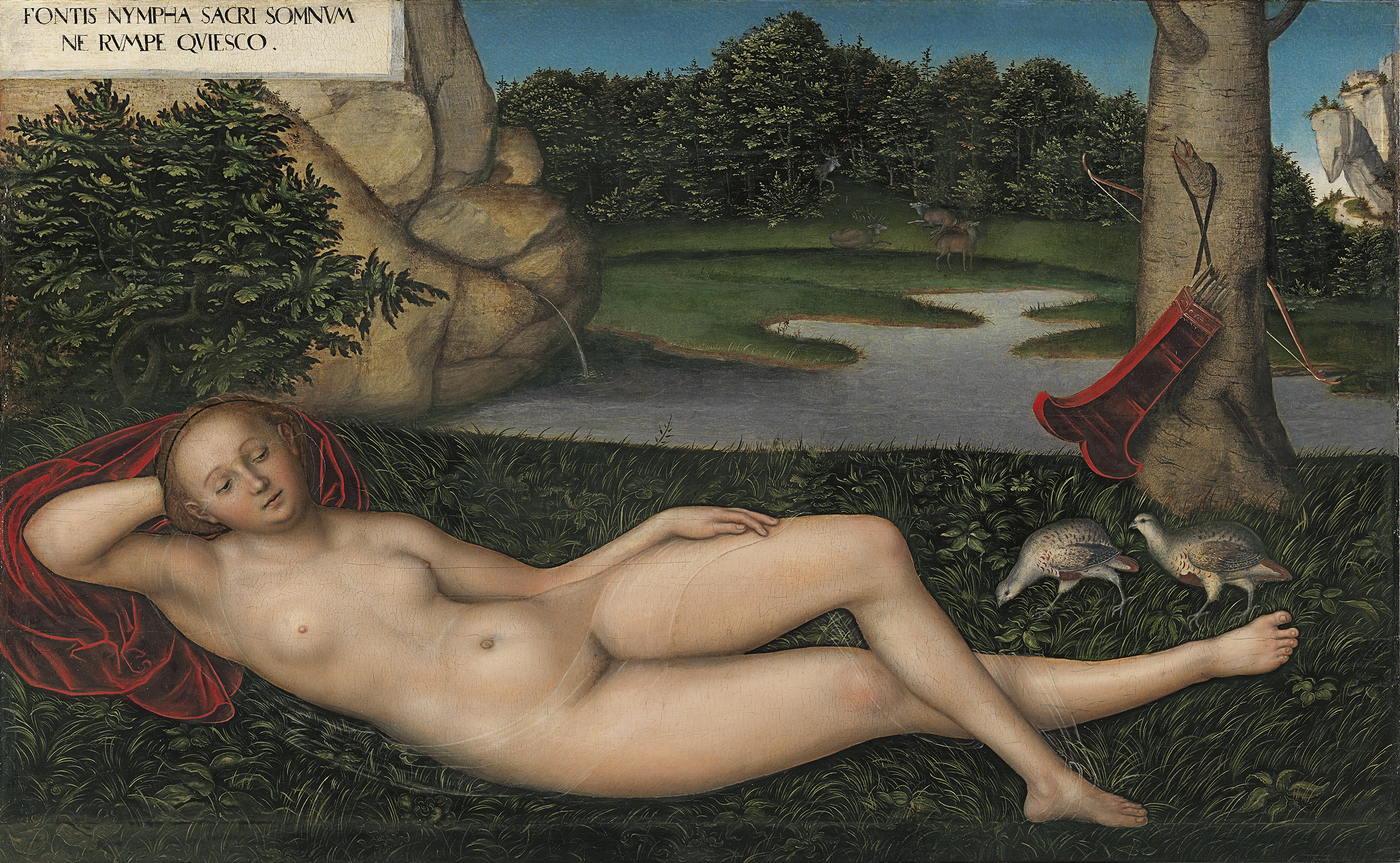 Figure 33a. Lucas Cranach the Elder, Nymph at the Fountain, c.1530-34. German. Oil on wood. 75 x 120 cm. Museo Nacional Thyssen-Bornemisza, Madrid. Inv. No. 115 (1986.13). Photo: Fundación Colección Thyssen-Bornemisza, Madrid.
| 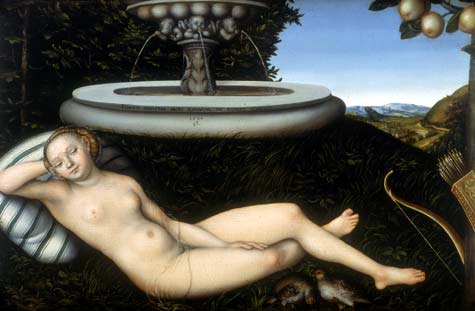 Figure 33b. Lucas Cranach the Elder, Nymph of the Fountain, c.1534. German. Oil on wood. 50.8 x 76.2cm. Presented to the Walker Art Gallery by the Liverpool Royal Institution, 1948. Walker Art Gallery, Liverpool. Inv. No. WAG 1223. Photo: Walker Art Gallery, Liverpool.
| 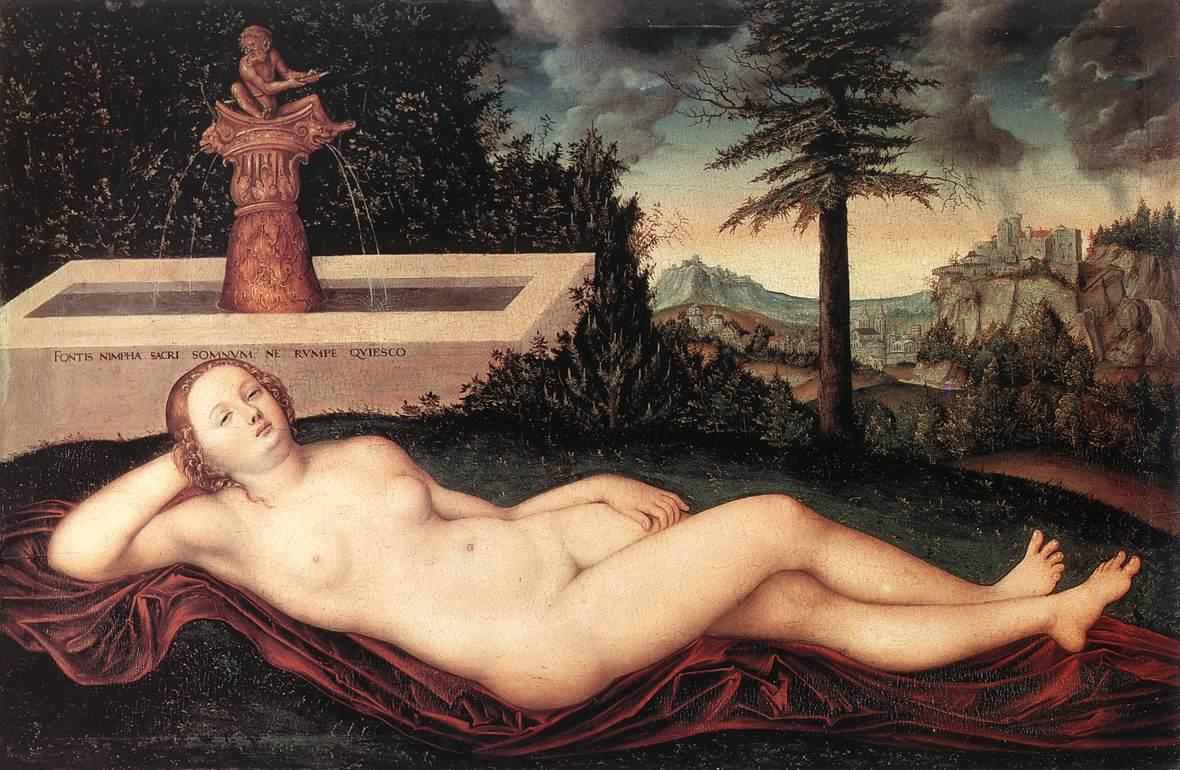 Figure 33c. Lucas Cranach the Elder, Nymph at a Fountain, c.1518. German. Oil on wood. 59 x 92 cm. Museum der Bildenden Künste, Leipzig. Inv. No. 575. Photo: Museum der Bildende Künste, Leipzig.
| 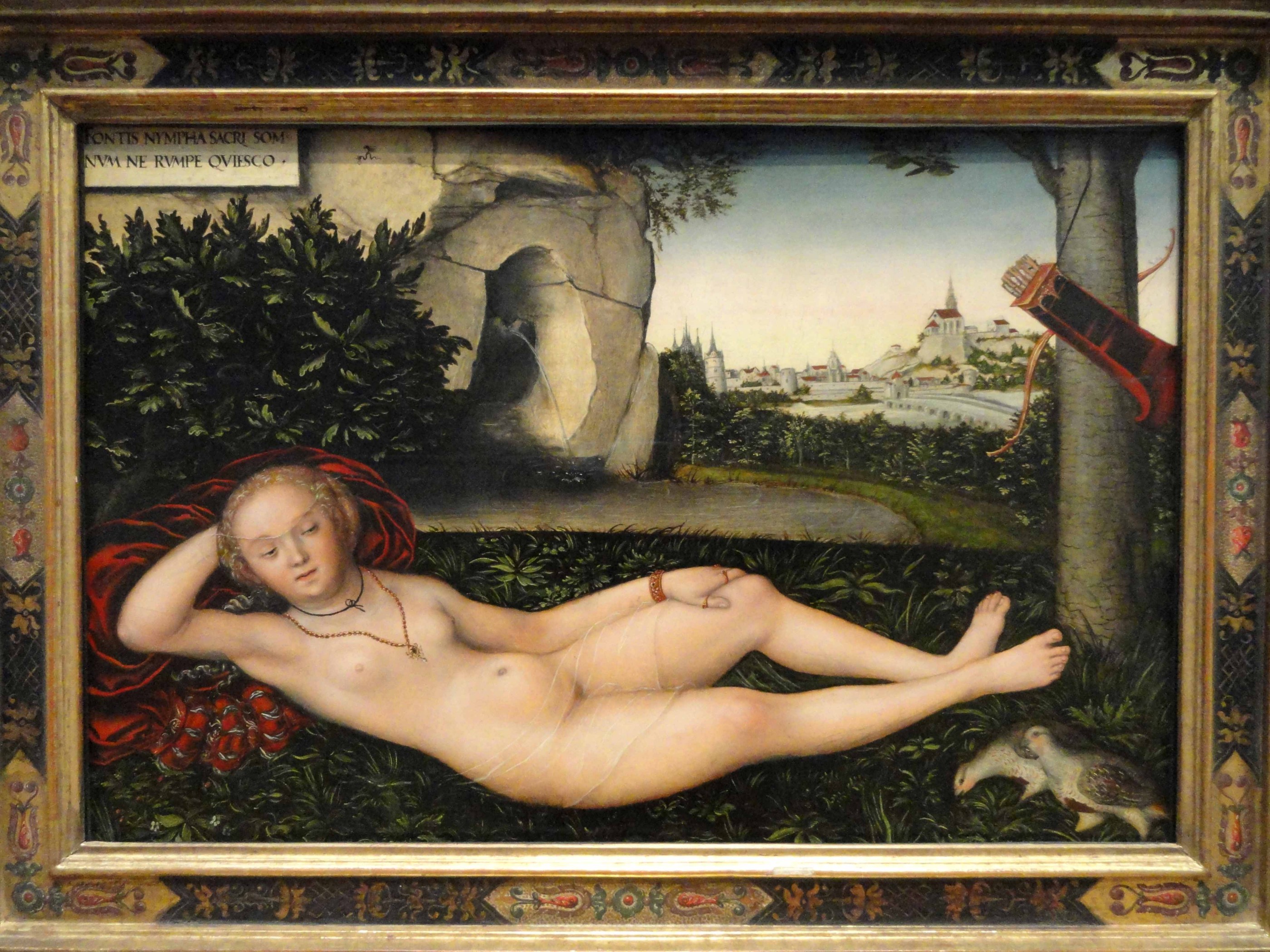 Figure 33d. Lucas Cranach the Elder, Nymph of the Spring, c.1537. German. Oil on wood. 48.4 x 72.8 cm. Gift of Clarence Y. Palitz. National Gallery of Art, Washington, DC, 1957.12.1. Photo: National Gallery of Art, Washington, DC/WikiCommons.
|
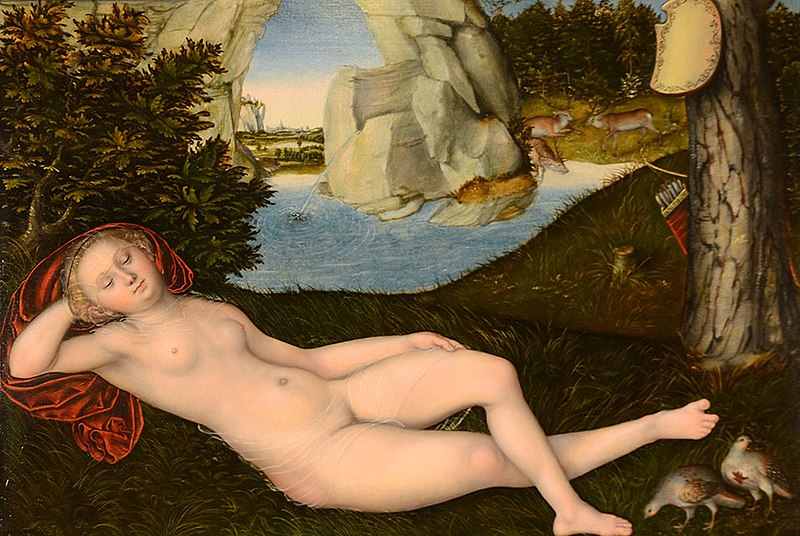 Figure 33e. Lucas Cranach the Elder, Nymph of the Spring, after 1537. German. Oil on wood. 58 x 79 cm. The San Diego Museum of Art, San Diego, CA. Inv. No. FR (1978) Nr. FR402. Photo: Christie’s Inc.
| 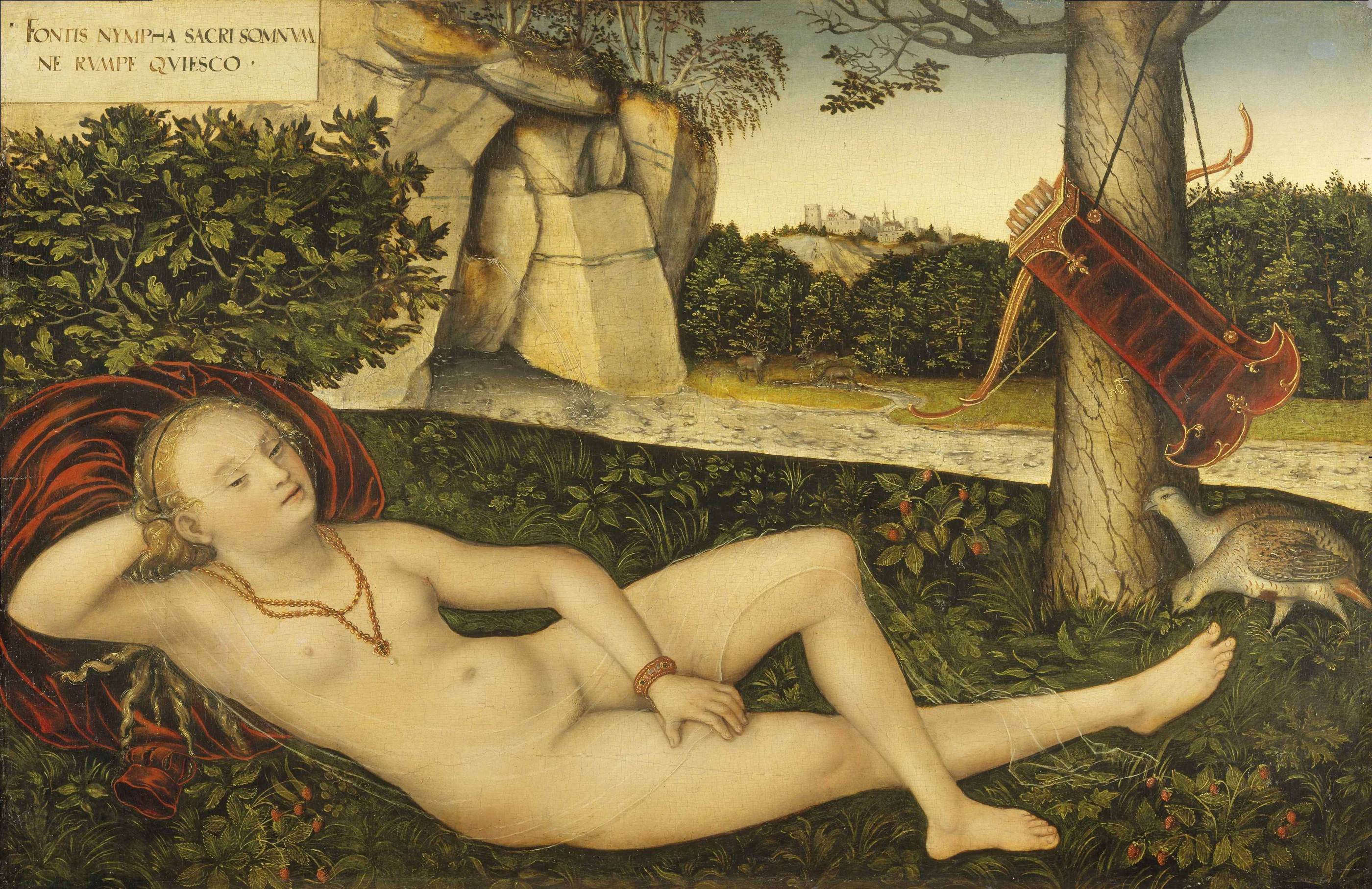 Figure 33f. Lucas Cranach the Elder, Nymph at the Source, c. 1537. German. Oil on wood. 48.5 x 74.2 cm. Musée des Beaux-Arts et d'Archéologie Besançon, Besançon. Inv. No. 896.1.56. Photo: Gunnar Heydenreich/Musée des Beaux-Arts Besançon.
| 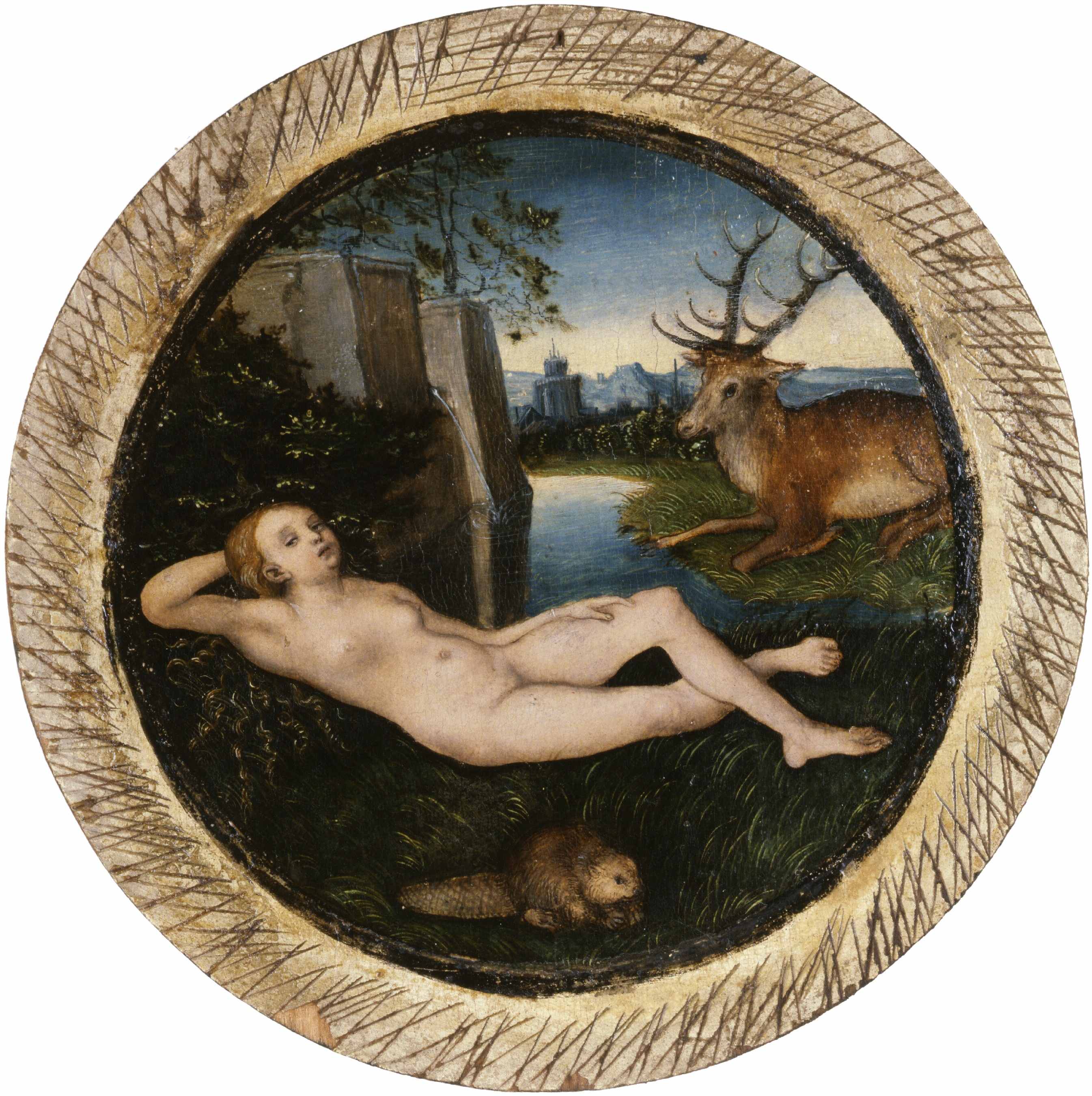 Figure 33g. Lucas Cranach the Elder, Reclining Nymphe, c. 1525. German. Oil on wood. D 14.8 cm. Kunstsammlungen der Veste Coburg, Coburg. Inv. No. M. 191. Photo: Cranach Digital Archive.
| 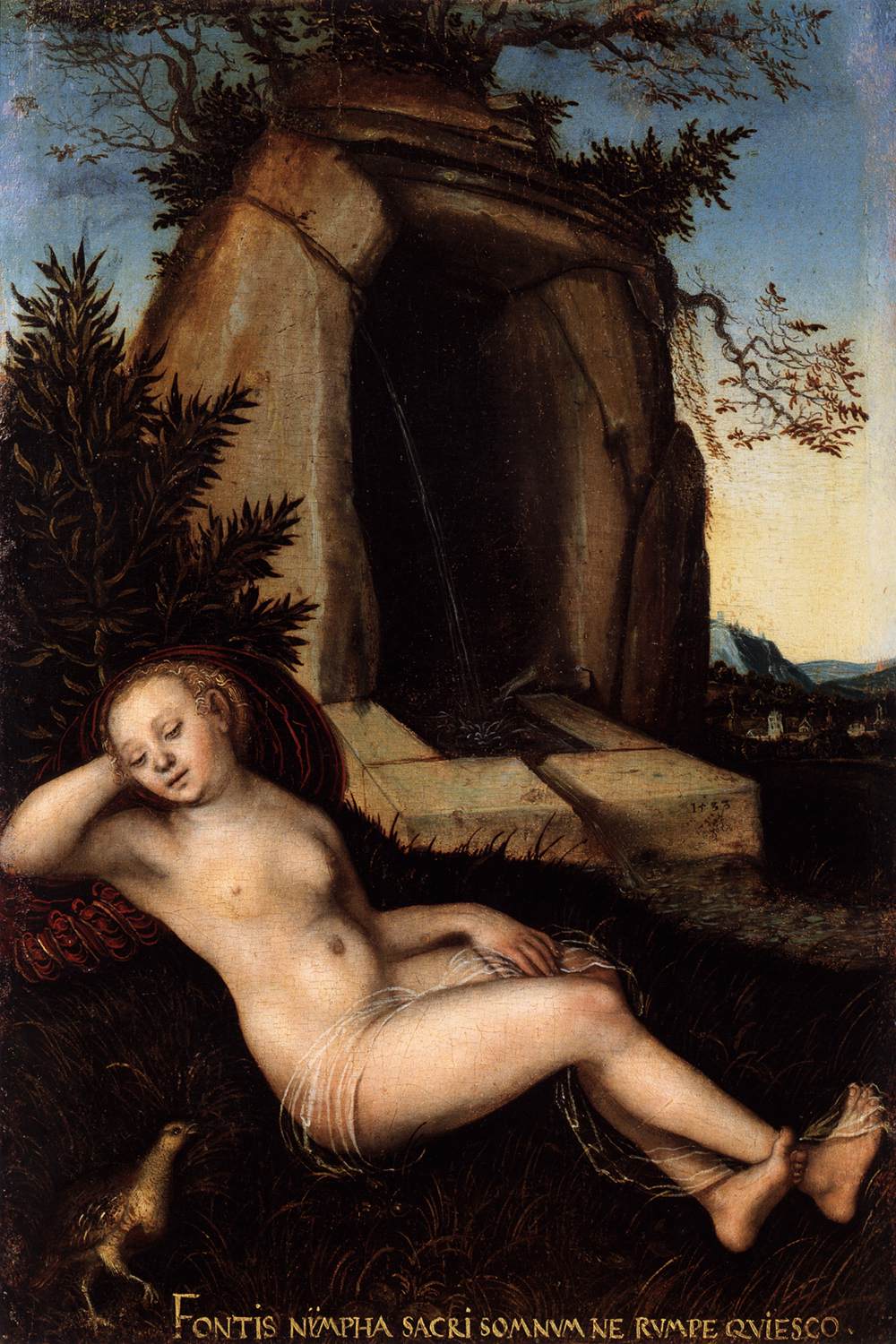 Figure 33h. Lucas Cranach the Elder, Reclining Nymph of the Spring, 1533. German. Oil on wood. 23.8 x 37 cm. Hessisches Landesmuseum Darmstadt, Darmstadt. Photo: Cranach Digital Archive.
|
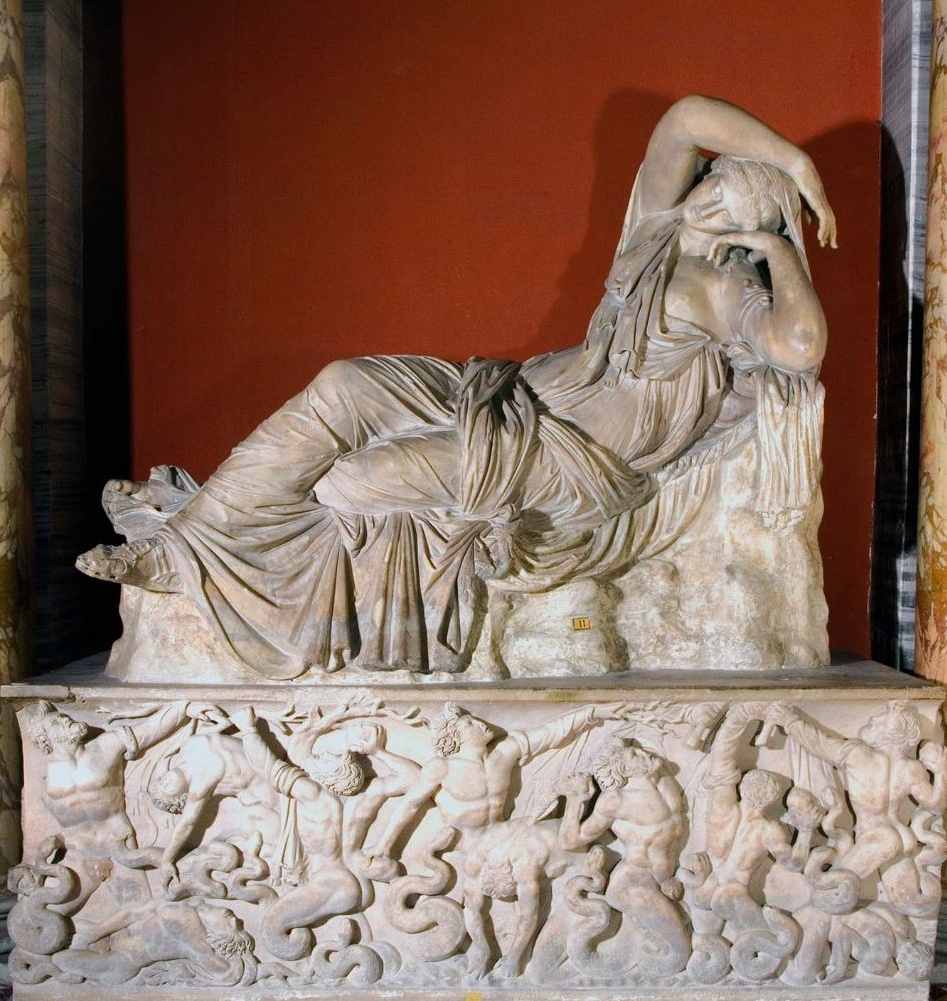 Figure 34a. Ariadne (previously known as the Cleopatra Fountain). Roman, found in 1512. Vatican Museum, Rome, Inv. No. 548. Photo: Vatican Museum, Rome.
| 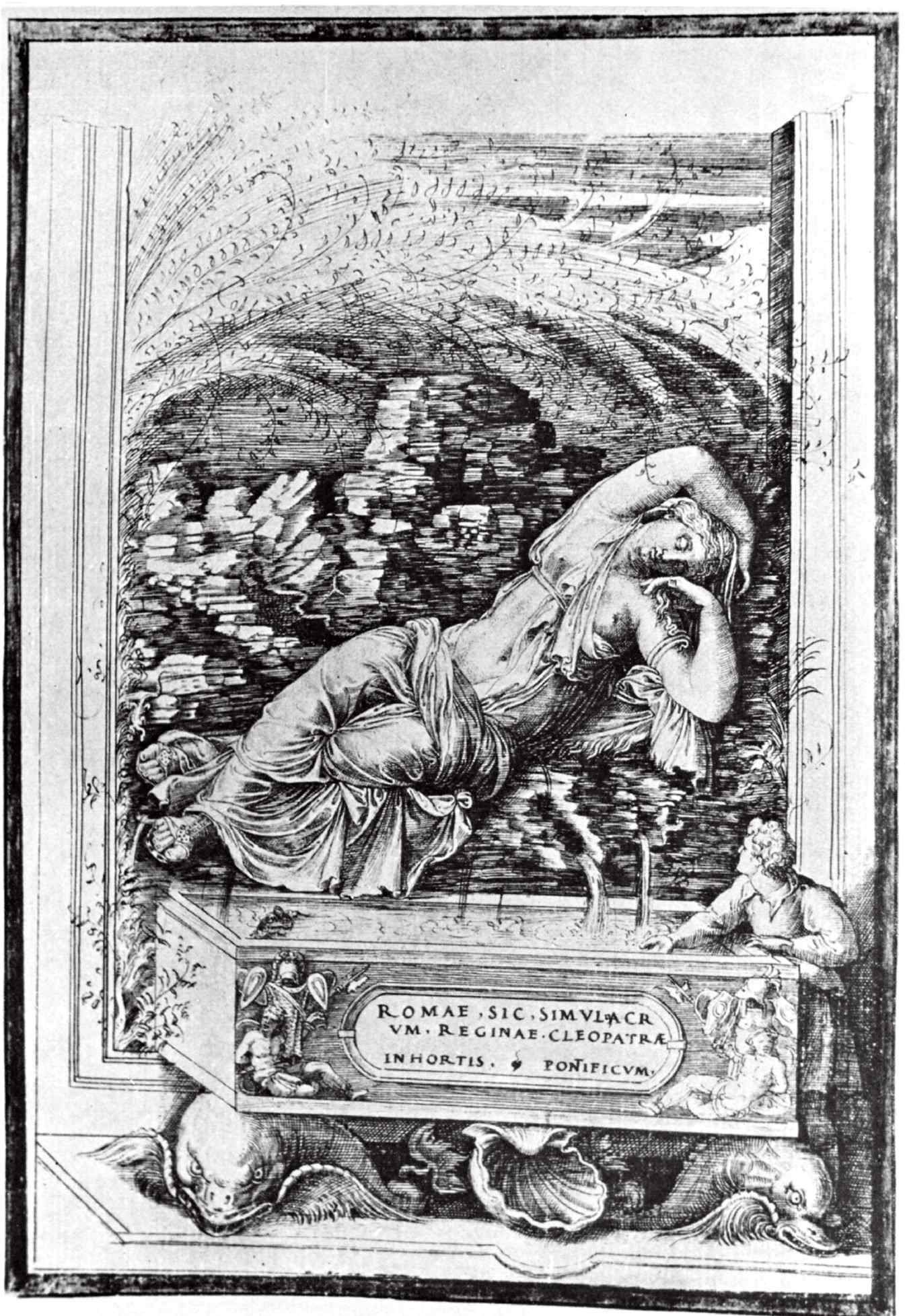 Figure 34b. Francisco de Holanda, “Cleopatra” Fountain as installed at the Belvedere, 1539. Drawing. El Escorial, Madrid. Inv. No. A/E ij 6, fol. 8. Photo: El Escorial, Madrid.
| 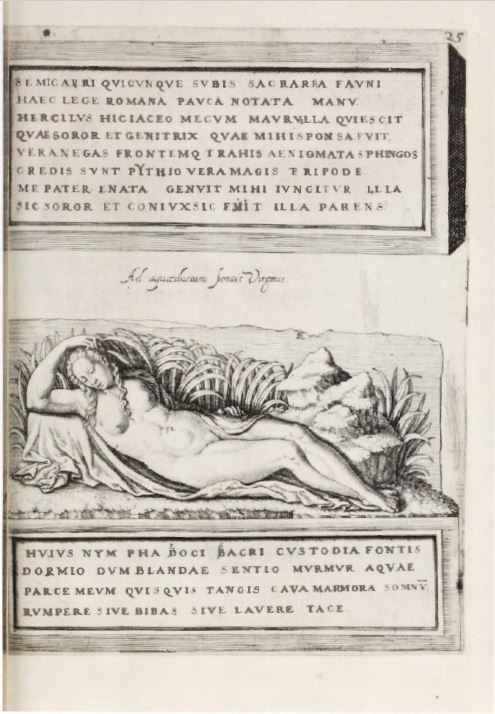 Figure 34c. Drawing of relief with sleeping nymph in the garden of Angelo Colocci, before 1515. In: Jean Jacques Boissard, Romanae Urbis Topographiae, 3 Vols. (1597-1602). Photo: Bibliotheca Hertziana, Rome.
| 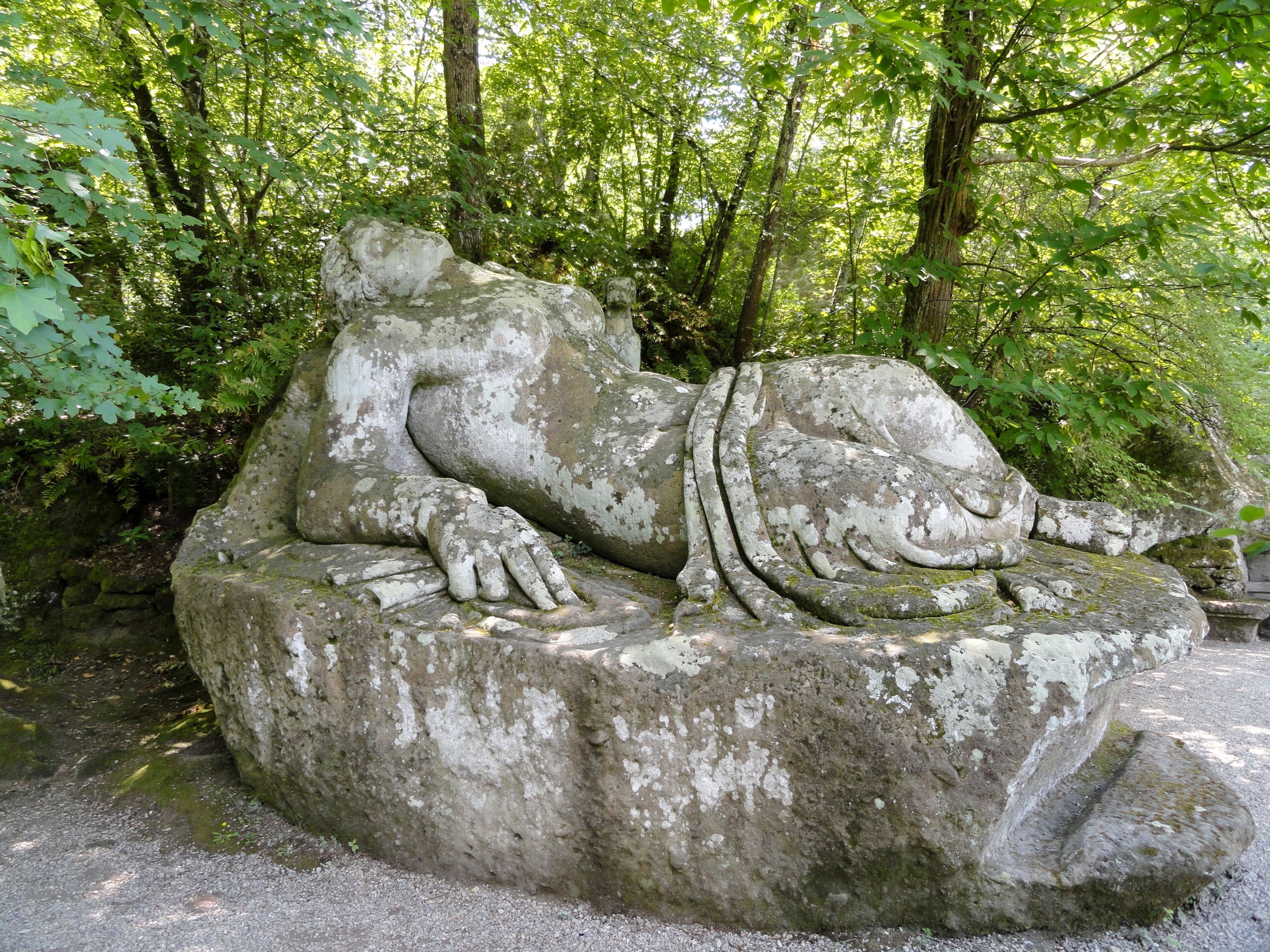 Figure 35a. Sleeping nymph, c. 1552-80. Bomarzo, Viterbo, Italy. Stone. Commissioned by Pier Francesco Orsini. Photo: courtesy Arte in Vista, Guide Viterbo.
|
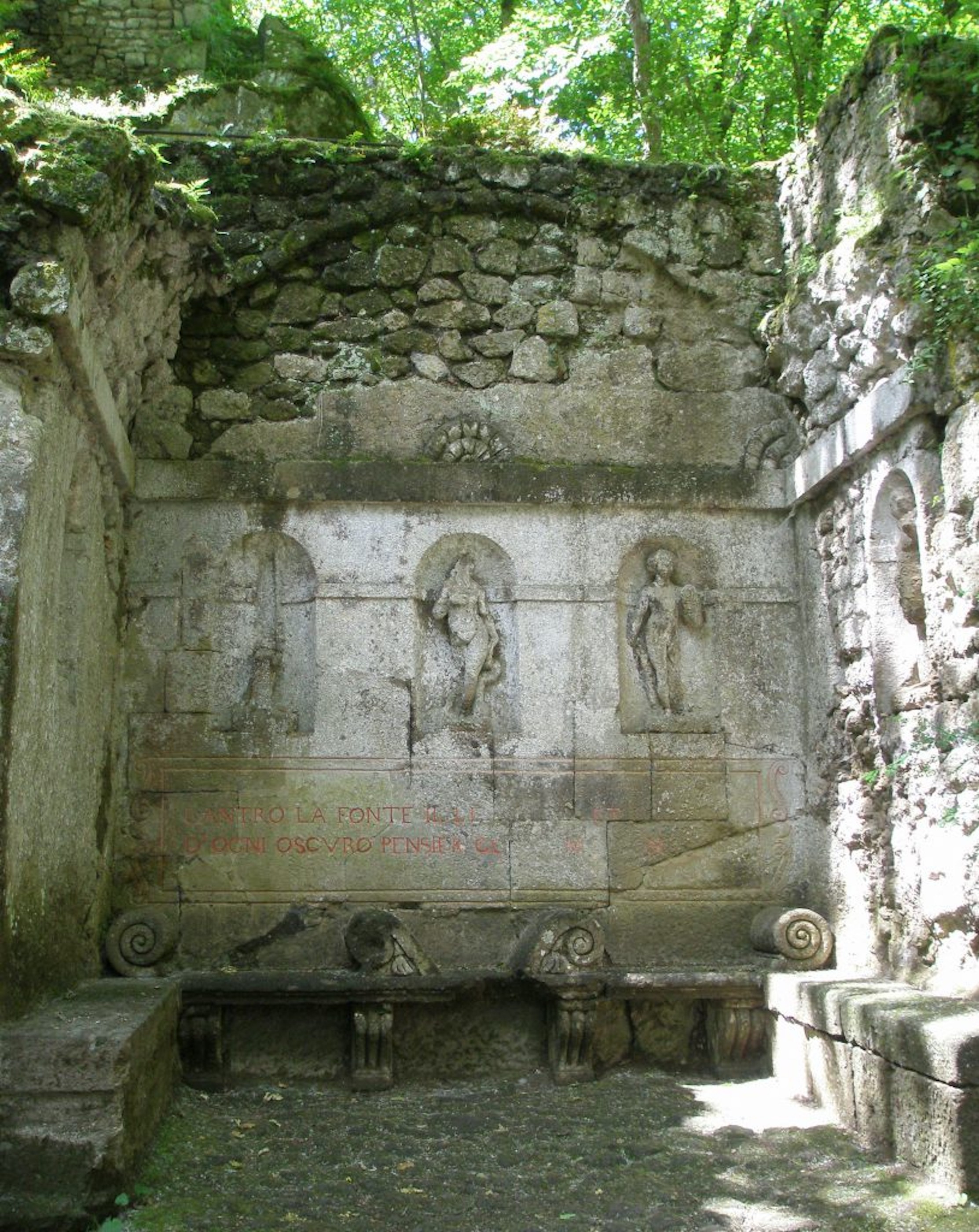 Figure 35b. Nymphaeum, c. 1552-80. Bomarzo, Viterbo, Italy. Stone. Commissioned by Pier Francesco Orsini. Photo: Nan Quick, 2015.
| 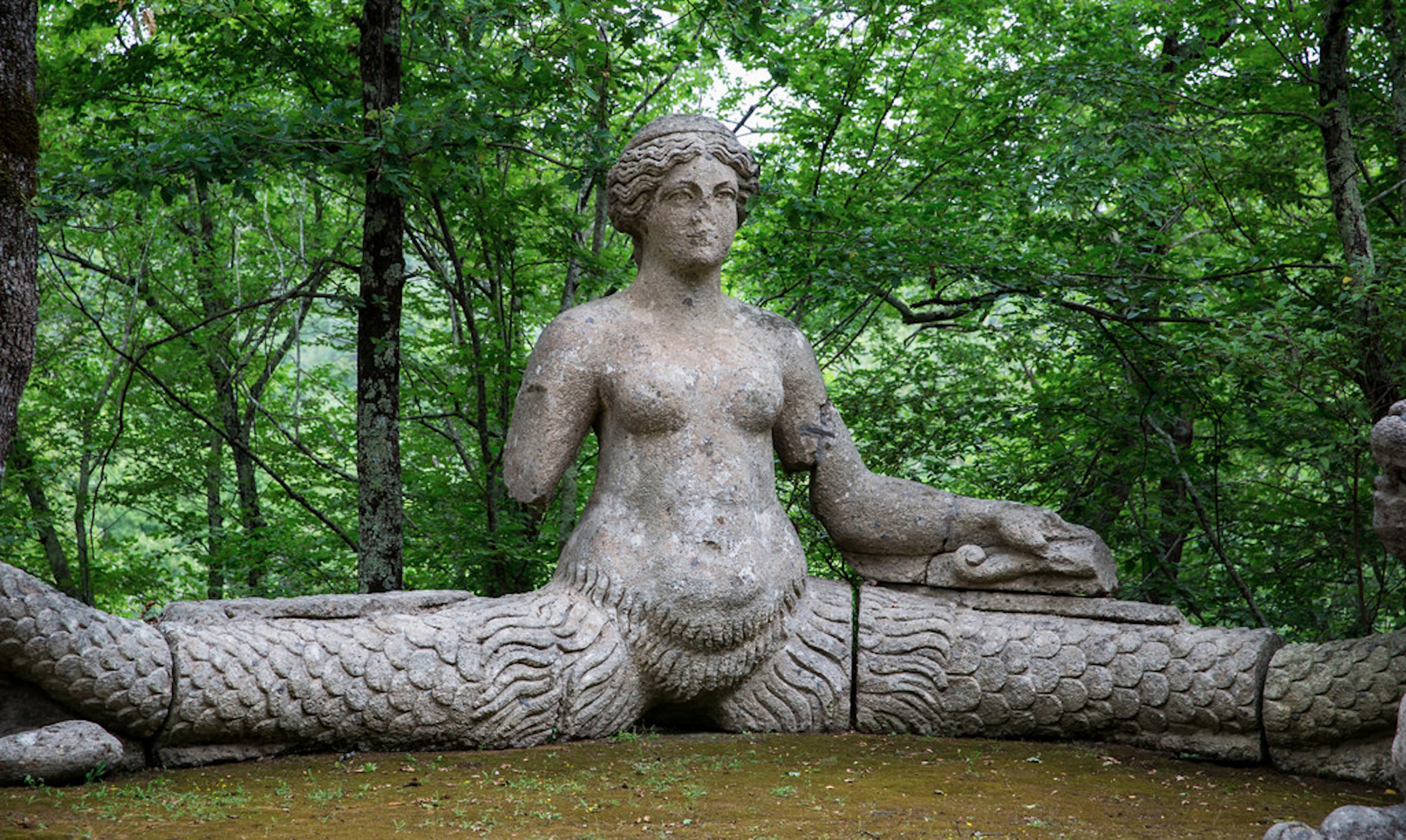 Figure 35c. Double tailed mermaid-siren, c. 1552-80. Bomarzo, Viterbo, Italy. Stone. Commissioned by Pier Francesco Orsini. Photo: Nan Quick, 2015.
| 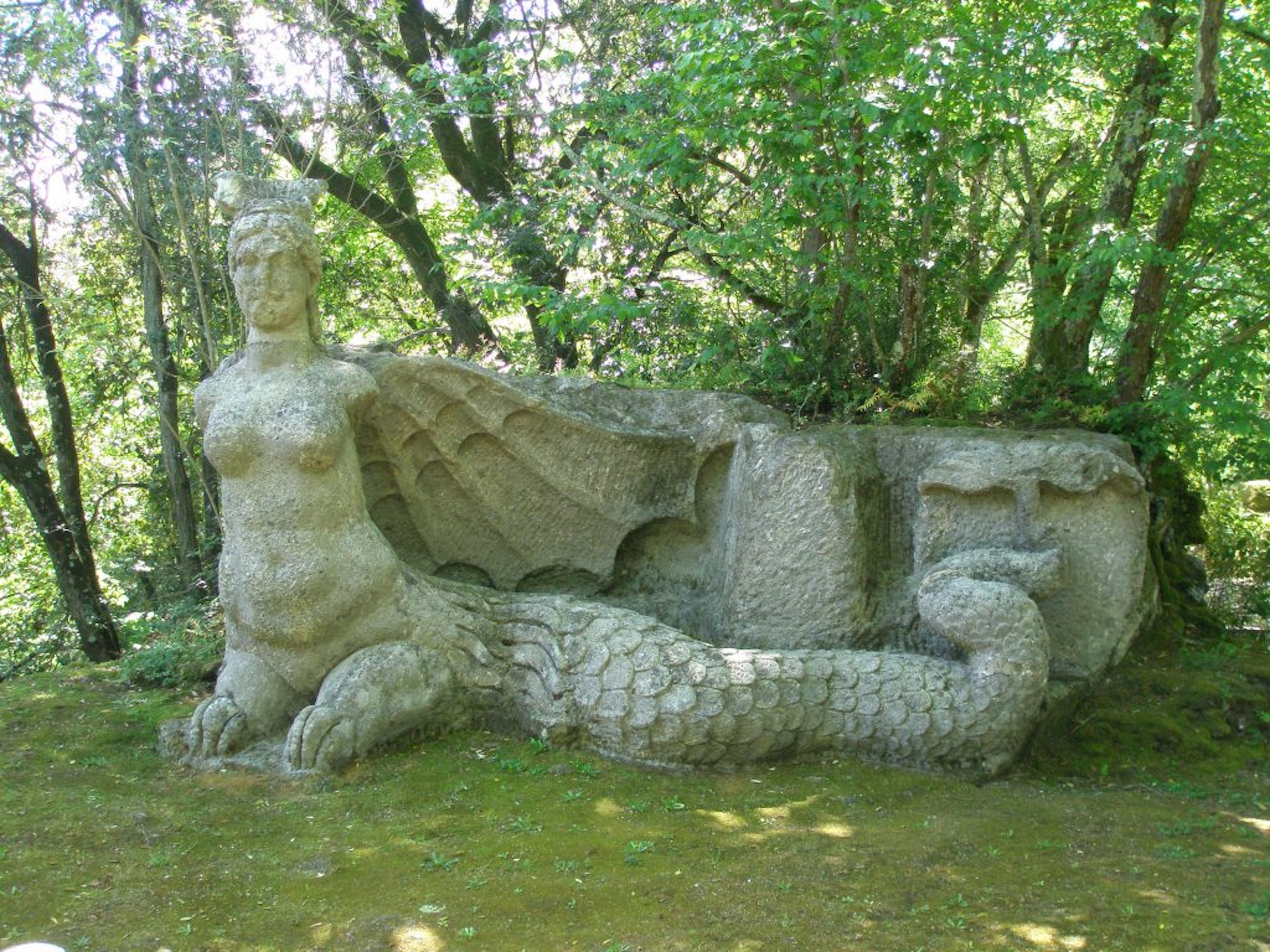 Figure 35d. Echidna, c. 1552-80. Bomarzo, Viterbo, Italy. Stone. Commissioned by Pier Francesco Orsini. Photo: Nan Quick, 2015.
| 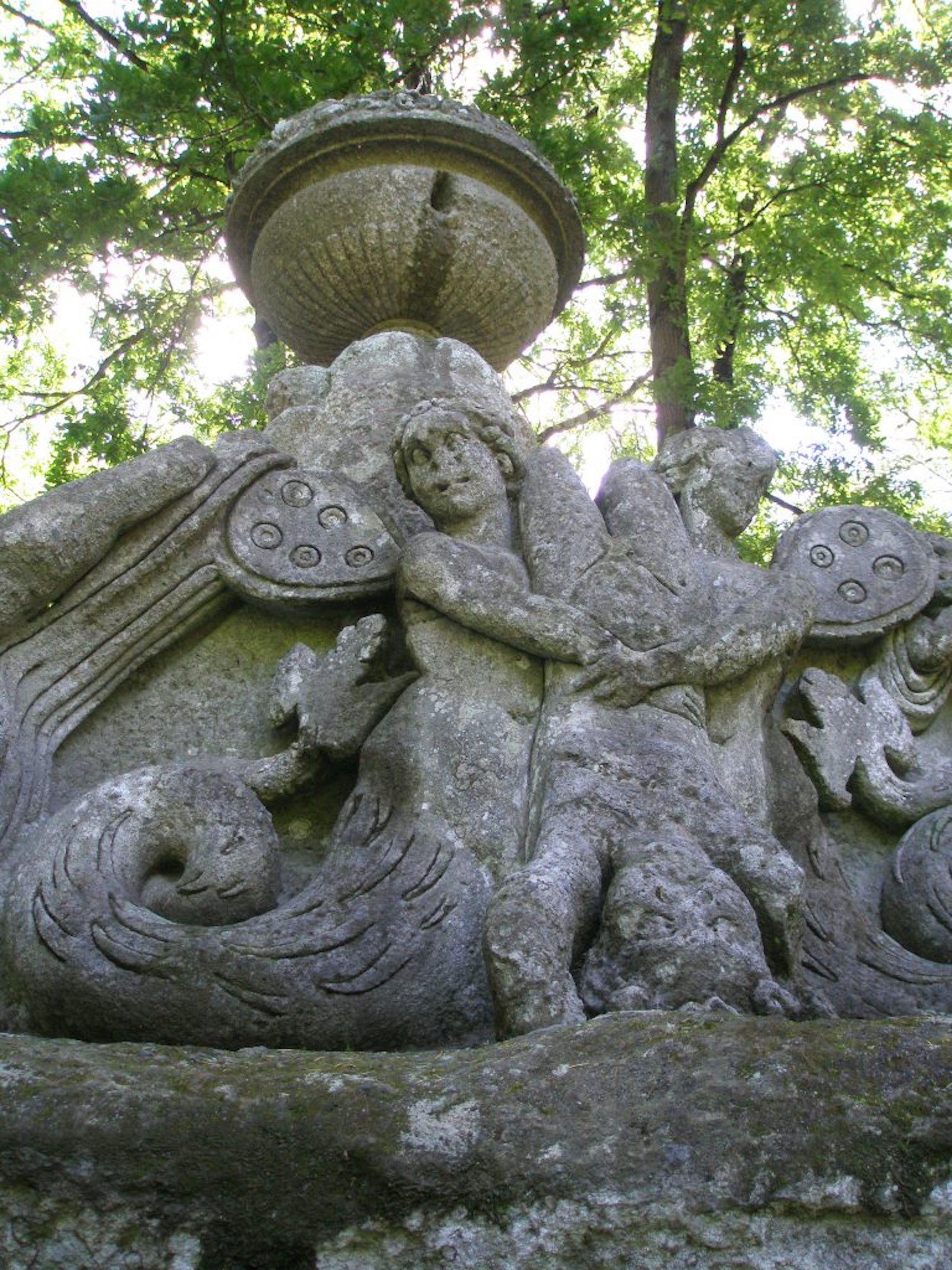 Figure 35e. Rear of Ceres’s throne, two fish-tailed mermaid-sirens dangling a small male figure, upside down, c. 1552-80. Bomarzo, Viterbo, Italy. Stone. Commissioned by Pier Francesco Orsini. Photo: Nan Quick, 2015.
|
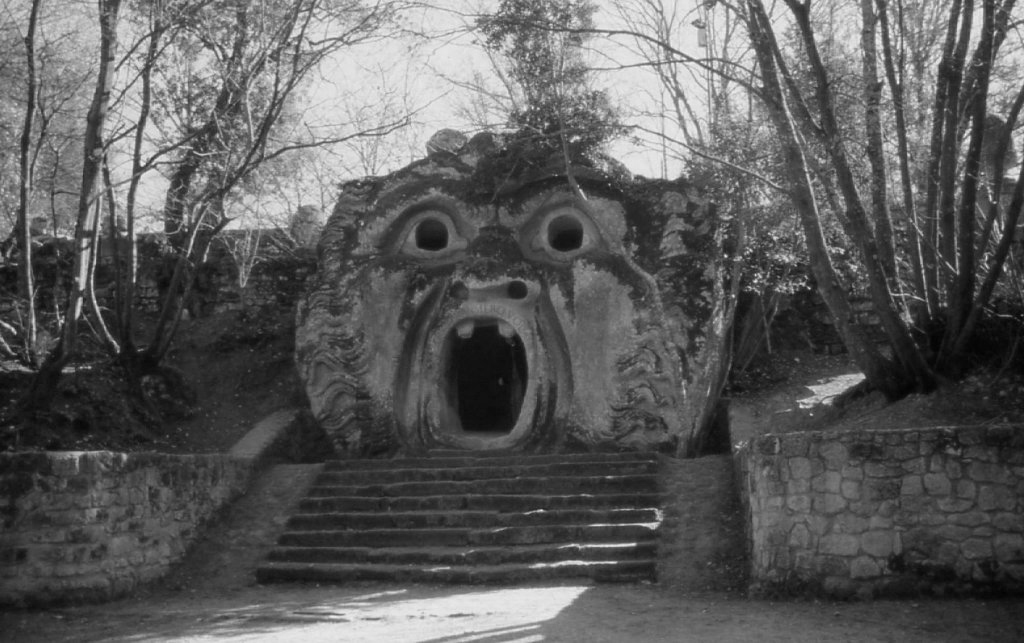 Figure 35f. Hellmouth, c. 1552-80. Bomarzo, Viterbo, Italy. Stone. Commissioned by Pier Francesco Orsini. Photo: Stefano Colonna, 2003.
|